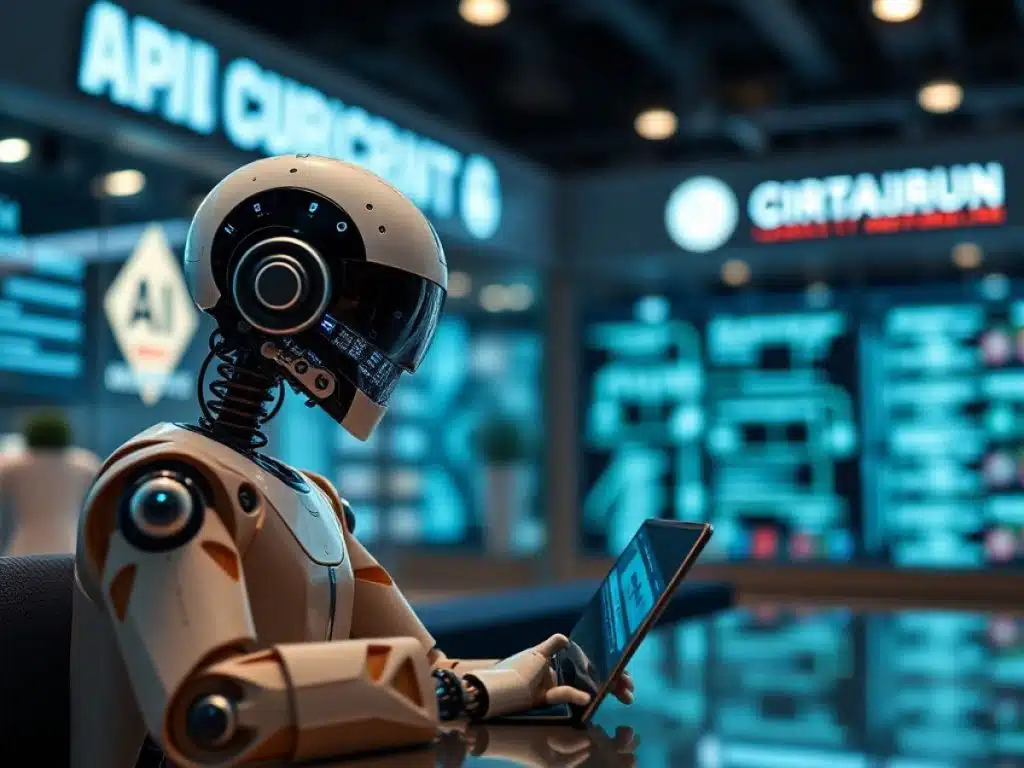
As we edge closer to 2026, the marketing landscape is poised for a seismic shift, largely driven by advancements in artificial intelligence (AI). The integration of AI in marketing strategies is not just a trend but a fundamental evolution that promises to redefine how brands interact with consumers. From real-time data processing to predictive analytics, AI is set to transform the fragmented customer journeys, cope with the dwindling attention spans, tackle rising acquisition costs, and revamp failing campaigns. This evolution in marketing approaches is essential for brands aiming to maintain relevance in a rapidly changing digital environment.
The HubSpot 2026 State of Marketing report reveals that over 64% of organizations are already harnessing the power of AI in their marketing efforts. The proliferation of AI-driven content, AI agents, and hyper-personalized campaigns indicates a future where marketing is more about strategic decision-making and less about menial, routine tasks. Marketers are increasingly expected to adopt more analytical roles, leveraging AI tools to handle the operational aspects of their campaigns. This article delves into the transformative impacts of AI on marketing by 2026 and beyond, offering insights into how marketers can adapt to these changes.
Transformative Trends in AI-Driven Marketing
Revolutionizing SEO Strategies
The next few years will witness a major overhaul in search engine optimization (SEO). Traditional SEO is set to evolve into AI-optimized strategies like Search Everywhere Optimization (SEvO), Generative Engine Optimization (GEO), and Answer Engine Optimization. With AI-driven search engines becoming the norm, consumers will shift from seeking links to seeking direct answers. This change necessitates brands to be discoverable not only on conventional search engines like Google but also on AI platforms and through AI-generated content. The emphasis will be on ‘AI authority’, where brand visibility depends on credible references across various platforms, including social media and podcasts.
The Ascendancy of AI Agents
By 2026, AI agents are predicted to dominate marketing strategies, managing campaigns from inception to execution without significant human intervention. These agents will optimize everything from bid placements to audience targeting in real-time, fundamentally changing the role of human marketers. The rise of AI agents will not only streamline operations but also introduce new capabilities like agent-to-agent transactions, which could redefine media buying and consumer interactions.
Content Creation and Management
AI’s role in content creation is set to transition from simple draft preparations to managing multifaceted, dynamic campaigns. Generative AI will enable the production of multimodal content, allowing rapid adaptation across various formats to meet localized demands. This shift will help brands stay relevant in a landscape where content is not just consumed but experienced across diverse platforms.
Strategic Adaptations for Marketers
To stay ahead in the AI-transformed realm of marketing, professionals need to refine their strategies and workflows now:
- Embrace AI tools for routine tasks to free up time for strategic thinking and creativity.
- Understand and leverage AI for data analysis and predictive insights, ensuring decisions are informed and timely.
- Develop skills in AI management and orchestration to effectively integrate various AI technologies into cohesive marketing strategies.
Looking Beyond 2026: The Future of Marketing with AI
Marketing in 2030 and Beyond
By 2030, marketing is expected to become predominantly predictive, utilizing AI to anticipate customer needs before they are explicitly expressed. This will see a shift from reactive strategies to proactive, real-time adaptations across multiple channels. As we look towards 2050, the integration of Artificial General Intelligence (AGI) in marketing suggests a future where marketing strategies are not just about selling products but fostering meaningful, intelligent relationships with consumers.
Emerging Roles and Skills
The evolution of AI in marketing will also see the emergence of new professional roles focused on AI management, ethical marketing, and data storytelling. Marketers will need to develop a deep understanding of AI capabilities and ethical considerations to ensure that AI tools are used to enhance consumer experiences responsibly.
Frequently Asked Questions About AI Predictions
Exploring the Best AI Predictors
Choosing the right AI predictors depends on specific marketing goals and data needs. Tools like the HubSpot Breeze AI suite provide comprehensive predictive capabilities that can enhance marketing strategies through detailed insights and forecasts.
The Future of Jobs in AI-Driven Marketing
While some traditional marketing roles may become obsolete due to AI automation, new opportunities will arise for professionals who can blend strategic marketing skills with AI proficiency. Understanding and adapting to these changes will be crucial for marketers aiming to thrive in a post-2026 marketplace.
In conclusion, as AI continues to permeate the marketing sector, professionals must adapt swiftly to harness its full potential. The transformative effects of AI are not just limited to operational efficiencies but are set to redefine the very essence of marketing strategies and consumer interactions in the years to come.
Similar Posts
- Unlocking the Future: 5 Key Trends in Generative Engine Optimization
- Unlock the Power of AI in Email Marketing: Top 5 Metrics to Track
- Essential Brand Tracking Tools for Growing Businesses: Boost Your Market Impact
- Profound vs. Bluefish AI: Who Dominates Market Analysis Tools?
- Top 8 AEO Tools for Business Growth: Boost Your Answers Now!

Mason Brooks is a blockchain business strategist with six years of experience launching crypto startups in the United States. He breaks down innovative business models and best practices to turn your ideas into reliable revenue streams. His pragmatic approach provides you with actionable roadmaps and inspiring case studies.