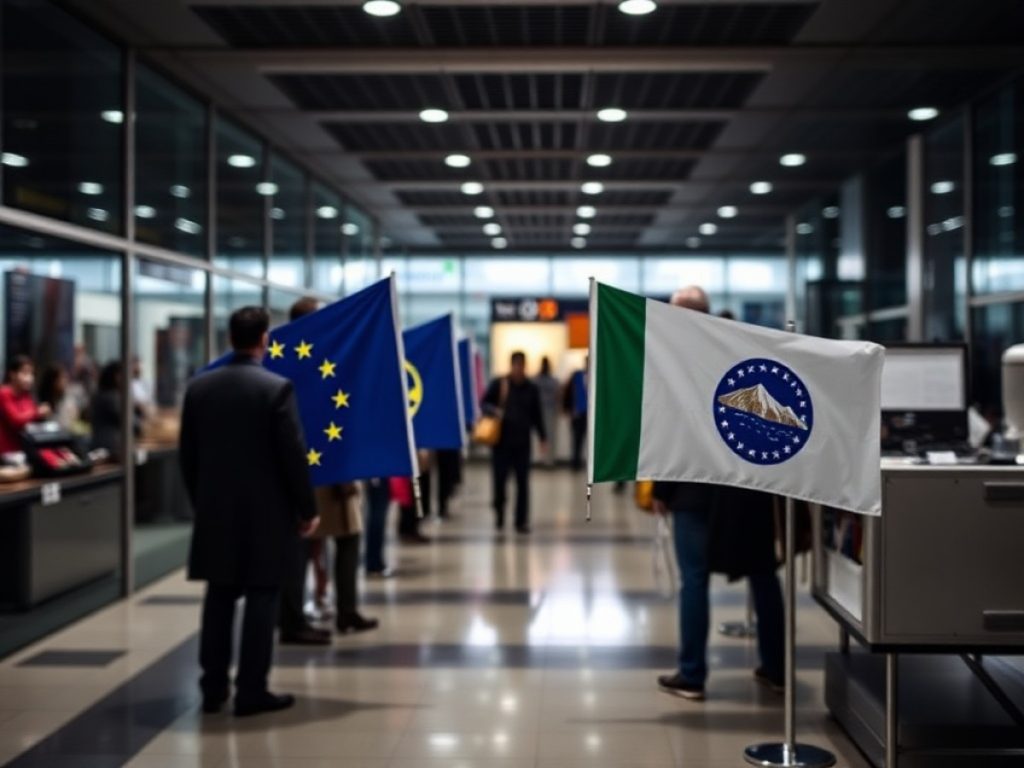
In the ever-evolving landscape of international trade, the recent provisional enforcement of the trade agreement between the European Union (EU) and Mercosur has stirred both commerce and controversy. Since May 1, the agreed terms have begun to regulate trade exchanges, even as the eyes of political and legal experts are fixed on the EU Court of Justice. The court is poised to deliver a ruling that could shape the future of this significant pact. While the agreement sails forward, the backdrop is filled with debates on its compatibility with EU treaties, a query raised by a narrowly passed European Parliament resolution. This complex situation underscores not only the economic but also the political dimensions of international agreements in shaping the future of global trade relations.
Legal Scrutiny and the Path Ahead
The EU-Mercosur trade agreement, despite its provisional application, hangs in a balance as it awaits a critical evaluation from the EU Court of Justice. The referral for a judicial review originated from a resolution passed by the European Parliament, which narrowly voted in favor amidst considerable opposition. This move has not stalled the provisional application but has put full parliamentary ratification on pause.
– **Request for Opinion**: The European Commission has clarified that this is merely a request for a judicial opinion rather than a direct challenge, drawing parallels with other international trade treaties that have previously faced the court’s scrutiny.
– **Anticipated Ruling**: Estimates suggest a ruling could be issued by the end of 2027. Should the court’s decision be favorable, the agreement will face parliamentary votes anew, both in the EU and within individual member states.
Economic Significance and Institutional Support
Despite the legal uncertainties, the agreement is defended vigorously by many within the European Commission. Olof Gill, the Commission’s trade spokesperson, emphasized the “titanic economic importance” of the agreement, highlighting the major economic powers involved.
– **Provisional Application**: The decision by the Council to proceed with provisional application before the court’s ruling reflects a strong institutional commitment, likened to the precedent set by the Comprehensive Economic and Trade Agreement (CETA) with Canada.
– **Political Backing**: Senior officials argue that the decision to provisionally apply the treaty has substantial institutional backing, making a reversal difficult and potentially damaging to the EU’s credibility as a trade partner.
Challenges and Controversies
The practical implementation of the EU-Mercosur trade deal has not been without its hurdles. Key issues have already emerged, particularly concerning the agricultural sector and environmental commitments.
– **Agricultural Impact**: Countries like France and Poland have expressed significant concerns about the market openings and their impact on local agricultural sectors. These reservations underscore the broader challenges of aligning international trade policies with domestic economic interests.
– **Environmental Concerns**: Recent statements by Argentine President Javier Milei regarding climate change and the Paris Agreement have sparked internal debates within the EU. Although these comments raised concerns, the overall commitment of Mercosur countries to environmental agreements remains a pivotal aspect of the trade deal.
Looking Forward
As the EU-Mercosur agreement continues to unfold under provisional terms, its future is closely tied to upcoming legal, political, and economic developments. The outcome of the EU Court of Justice’s ruling could either solidify or undermine the foundation of this expansive trade relationship. Meanwhile, the ongoing debates and challenges reflect the complex interplay of global trade dynamics, national interests, and international commitments. The path ahead promises to be as contentious as it is consequential, shaping not only the economic landscapes of the involved regions but also their political and environmental futures.
Similar Posts
- EU Set to Launch Mercosur Deal: von der Leyen Awaits South American Ratifications!
- Uruguay, Argentina Seal EU-Mercosur Deal: Fate Now in Brussels’ Hands
- EU-Mercosur Trade Deal Stalled by European Parliament: Legal Opinion Sought from Top Court
- Uruguay Nears EU-Mercosur Deal Ratification: Special Committee Gives Green Light!
- Argentina Leads Mercosur: Lower House Approves Pivotal EU Trade Deal

Gavin Turner is a crypto market analyst with over seven years studying price fluctuations and trading volumes in the United States. He provides detailed reports on sector trends and key indicators to help you anticipate market moves. His rigorous methodology and reliable forecasts guide you in refining your crypto trading strategies.