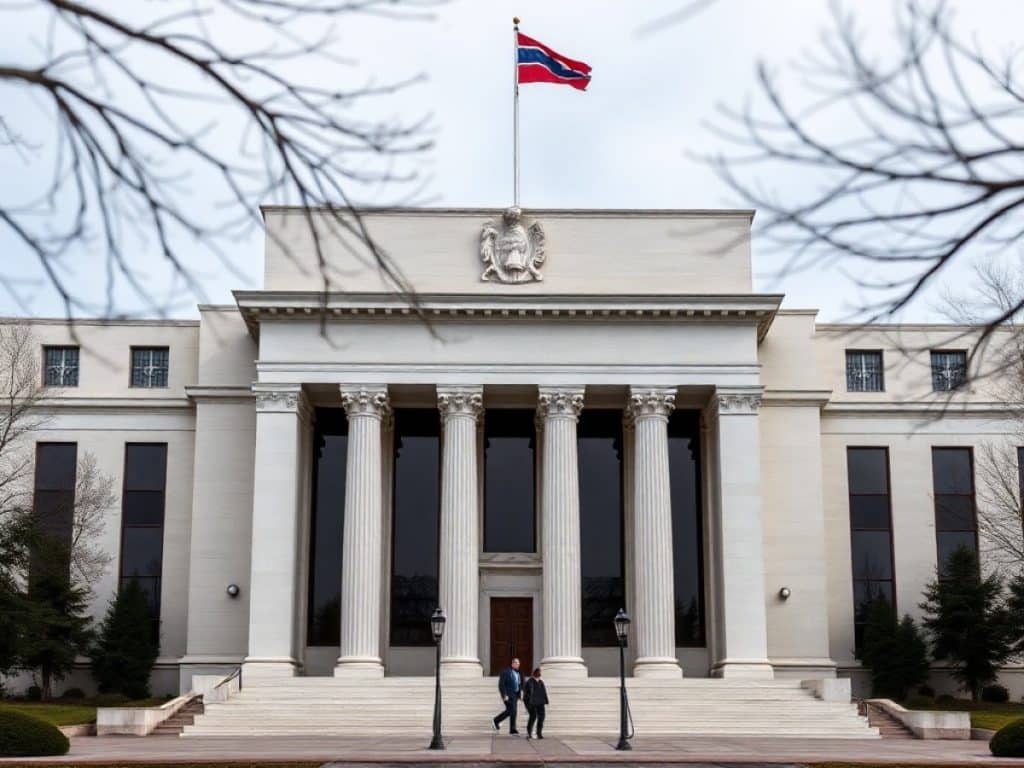
In a move that maintained the status quo amidst a backdrop of economic uncertainty and geopolitical tensions, the US Federal Reserve once again chose to keep interest rates unchanged at their recent meeting. This decision marks the fifth consecutive session where rates have been held steady, a period stretching over several months of intense speculation and market sensitivity. Interestingly, the meeting highlighted a sizeable internal disagreement, with three regional Fed presidents advocating for a rate hike, signaling a growing division over the path forward for monetary policy. This divergence of opinions within the Fed adds an intriguing layer to the unfolding economic narrative as the central bank navigates inflation pressures and global disturbances.
The recent Fed meeting was the second under the stewardship of Kevin Warsh, who took the helm in May. His leadership is already marking a shift in communication style and policy focus, emphasizing a cautious approach during these unpredictable times.
Details of the Decision
During this pivotal meeting, the Federal Reserve maintained the federal funds rate within the target range of 3.5% to 3.75%. Despite pressures from various sectors of the economy and clear signals from some of its members, the Fed opted for a wait-and-see approach, possibly setting the stage for a policy adjustment in the near future.
Voices for Change
The decision wasn’t unanimous; three regional Fed presidents from Cleveland, Minneapolis, and Dallas cast dissenting votes, each pushing for an increase of 0.25 percentage points. This level of dissent is noteworthy, as it represents the most significant internal opposition to a majority decision since 2016.
Economic Context and Future Projections
The Fed’s cautious stance comes at a time when inflation continues to outpace the 2% target, a trend that has persisted for over five years. Notably, energy prices have been a major inflation driver, with Brent crude oil prices soaring by approximately 38% in 2026 alone, exacerbated by geopolitical tensions in the Strait of Hormuz.
Market Reactions and Expectations
Leading up to the meeting, futures markets reflected a mixed sentiment, with about a one-third probability of a July rate hike and a stronger expectation nearing 80% for an increase by September. These projections are in line with earlier forecasts, which anticipated at least one rate adjustment before the year ends.
Comments from the Chair
In his post-meeting press conference, Chair Kevin Warsh emphasized the prudence of patience in the face of uncertainty. He firmly dismissed any notion of a flexible inflation target, reiterating the committee’s commitment to the 2% benchmark. Earlier in the month, Warsh testified before the Senate, highlighting the significant burden that prolonged inflation has placed on American households and businesses.
Implications for the Future
As the Federal Reserve charts its course through turbulent economic waters, the divergent views within its ranks suggest that future meetings could lead to shifts in policy, especially if inflationary pressures do not abate. The global economic landscape, particularly the ongoing energy crisis and its inflationary impacts, will likely play a critical role in shaping the Fed’s actions in the months to come.
This period of economic stewardship under Kevin Warsh is proving to be a time of strategic caution, with the Federal Reserve balancing immediate economic signals against long-term stability goals. As the situation develops, all eyes will remain on the central bank’s next moves, which will undoubtedly have profound implications for markets and economies worldwide.
Similar Posts
- Fed Holds Interest Rates Steady: New Chair Warsh Promises Briefer, Fact-Based FOMC Summaries
- Warsh Takes Over Fed Amid Soaring Inflation: What This Means for Your Wallet
- Trump Backs Fed Chair Amid 4% Rate Hike: Confidence Unshaken in Economic Strategy
- Trump Appoints Kevin Warsh as Federal Reserve Leader: High-Stakes Confirmation Battle Looms
- Xi Pushes for Stronger Renminbi: Trump Plans Shift at Fed’s Helm

Gavin Turner is a crypto market analyst with over seven years studying price fluctuations and trading volumes in the United States. He provides detailed reports on sector trends and key indicators to help you anticipate market moves. His rigorous methodology and reliable forecasts guide you in refining your crypto trading strategies.