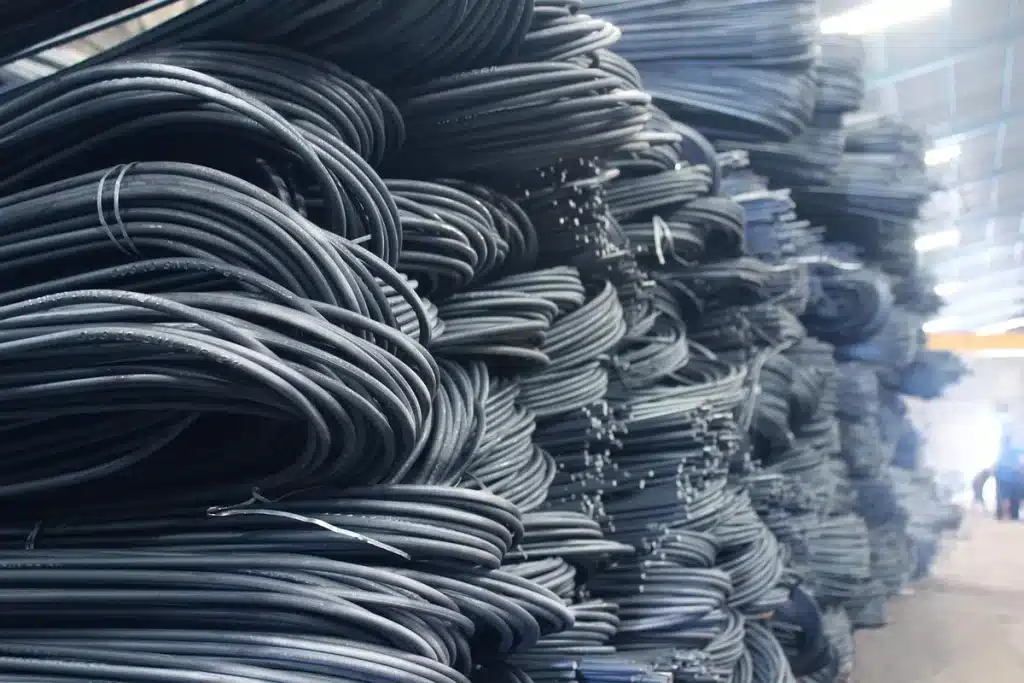
In a surprising move, President Donald Trump has signed a proclamation that significantly alters the landscape of beef imports into the United States. As of September 1, tariffs on lean beef trimmings from Brazil and Paraguay will be temporarily lifted. This decision, titled “Further Ensuring Affordable Beef for the American Consumer,” aims to provide economic relief by suspending the usual 26.4% duty on these imports for three months. While this may sound like a boon for meat lovers and the consumer market, the intricacies of international trade and tariff management reveal a more complex picture. Notably, other major beef exporting countries like Argentina and Uruguay have not been granted this tariff relief, sparking a blend of reactions across the global agricultural economy.
Details of the Tariff Waiver
The exemption allows for the import of up to 300,000 tonnes of lean beef trimmings, distributed in monthly tranches of 100,000 tonnes. This setup is designed to operate on a first-come, first-served basis, which will continue until the end of November. The primary beneficiaries, Brazil and Paraguay, stand to gain significantly, as this waiver removes the hefty tariffs they have been paying since mid-January. For Brazil, in particular, as the largest beef supplier to the U.S. market, the financial implications are considerable.
Exclusion of Other Beef Exporting Nations
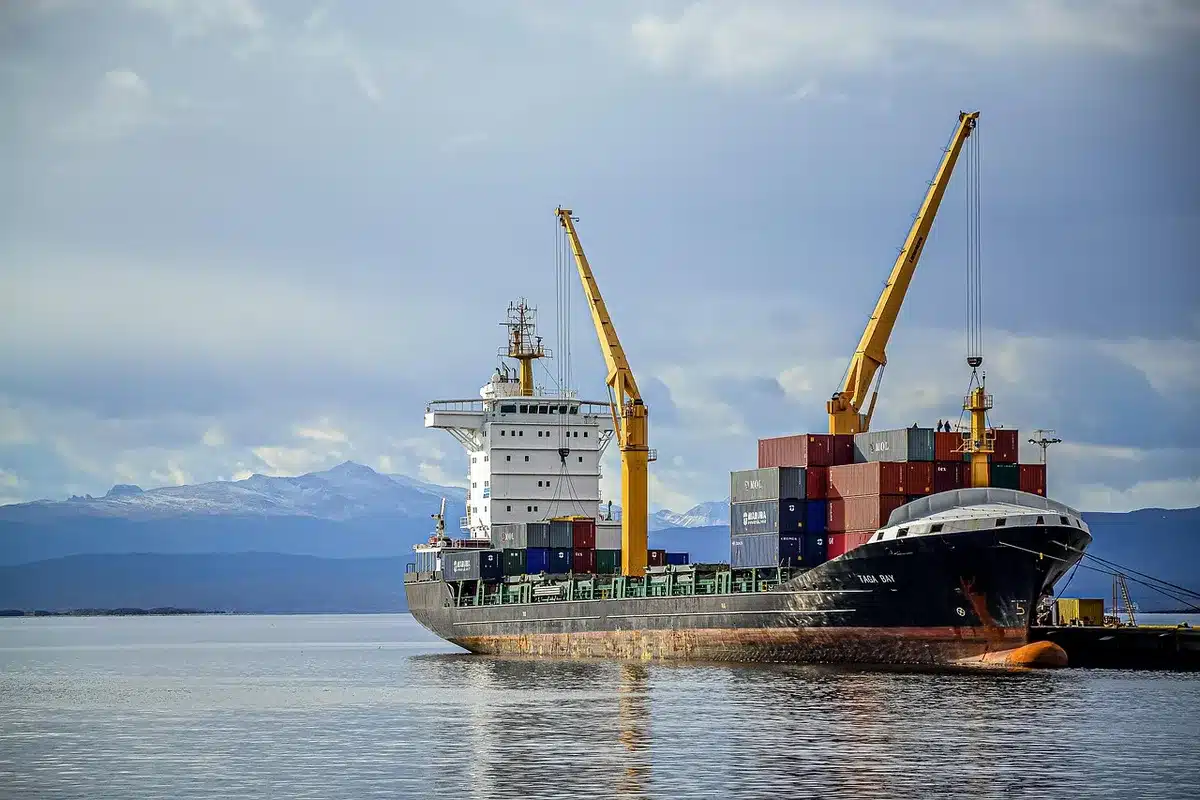
The proclamation strategically allocates the additional beef import volume to the category labeled “other countries or areas.” This excludes nations that already have specific quotas with the United States, such as Argentina, Uruguay, Australia, New Zealand, and the United Kingdom. Furthermore, Canada and Mexico are also left out of this arrangement due to their inclusion in the North American Free Trade Agreement. This selective exclusion has raised questions about the fairness and strategic motivations behind these trade adjustments.
Impact on Global Beef Trade
The decision to waive tariffs for selected countries could reshape the dynamics of international beef trade. For countries like Argentina and Uruguay, which are not included in the tariff relief, the impact could be mixed. While Argentina has its own quota—recently increased to 100,000 tonnes—its exclusion from this new arrangement limits potential market opportunities. Uruguay, along with other major beef exporters that maintain specific quotas with the U.S., may also need to reassess their export strategies in light of these changes.
Potential Benefits for Brazilian and Paraguayan Exporters
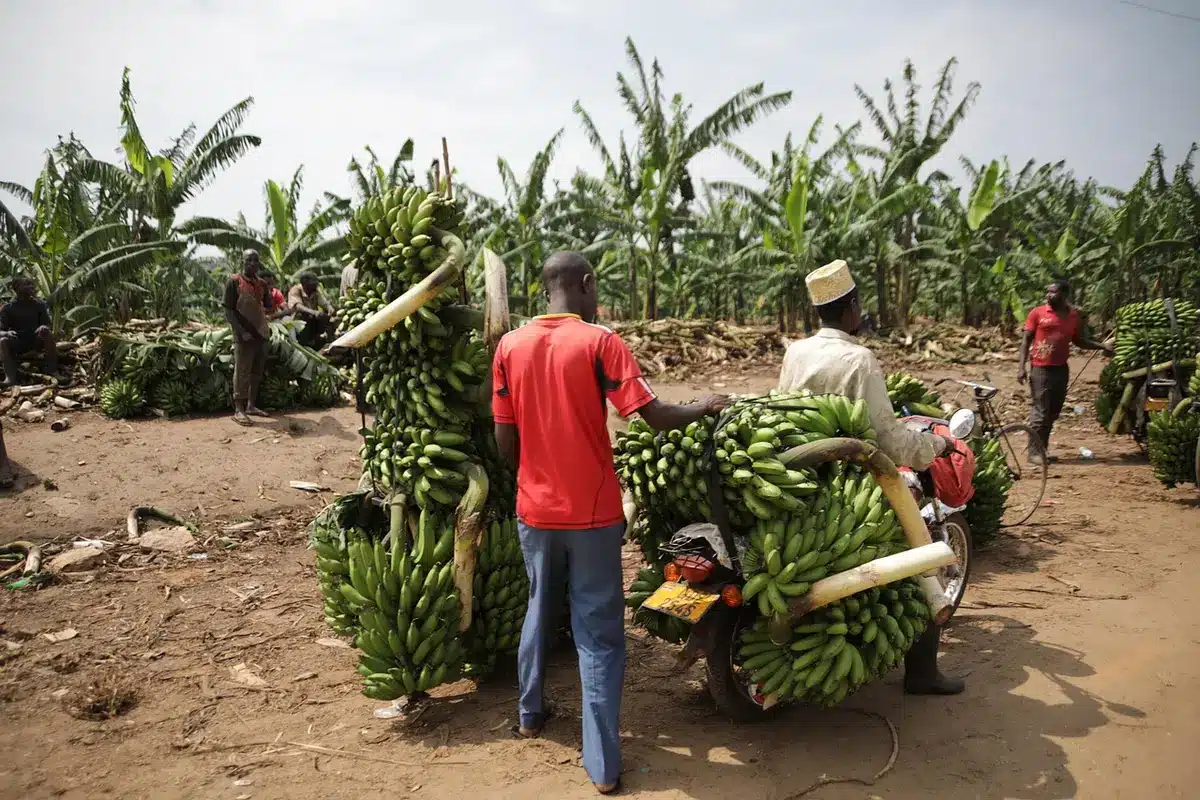
The Brazilian Association of Meat Exporters (Abiec) has expressed optimism about the potential benefits of this tariff suspension. However, they also caution that the requirement to sell these cuts at a discount of approximately 25% could limit profit margins. Similarly, for Paraguay, which shipped a significant volume of beef to the U.S. at the beginning of the year, the waiver presents an opportunity to enhance its market presence, despite recent lower monthly export volumes.
Broader Economic Implications
The U.S. administration justifies this tariff adjustment by pointing to the declining U.S. cattle herd, which is reportedly at its lowest level in 75 years. Factors like drought, wildfires, and restrictions on live cattle imports from Mexico due to concerns about New World screwworm have exacerbated this decline. By temporarily lifting these tariffs, the U.S. government aims to stabilize beef prices and ensure an affordable supply for American consumers. Nonetheless, President Trump has cautioned that the measure could be revoked if it results in undue profits for foreign producers at the expense of U.S. interests.
This intricate web of tariff management, international trade policy, and agricultural economics not only affects the involved countries but also has broader implications for global trade relations and market dynamics. As the situation evolves, stakeholders from multiple sectors will be keenly watching the impacts unfold, adjusting their strategies to navigate this new trade landscape.
Similar Posts
- Brazil Suffers Most: Latin America Struggles With Trump Tariffs After One Year
- Uruguay Hit by 12.5% US Tariff: Foreign Ministry Analyzes Impact
- Trump Slashes 40% Tariffs on 212 Brazilian Goods: Major Trade Relief Announced!
- US Hits Brazil and China with 12.5% Tariffs: 60 Economies Targeted for Forced-Labor Practices!
- Brazil Challenges US Tariffs at WTO: Seeks Fair Trade Remedies

Gavin Turner is a crypto market analyst with over seven years studying price fluctuations and trading volumes in the United States. He provides detailed reports on sector trends and key indicators to help you anticipate market moves. His rigorous methodology and reliable forecasts guide you in refining your crypto trading strategies.