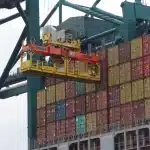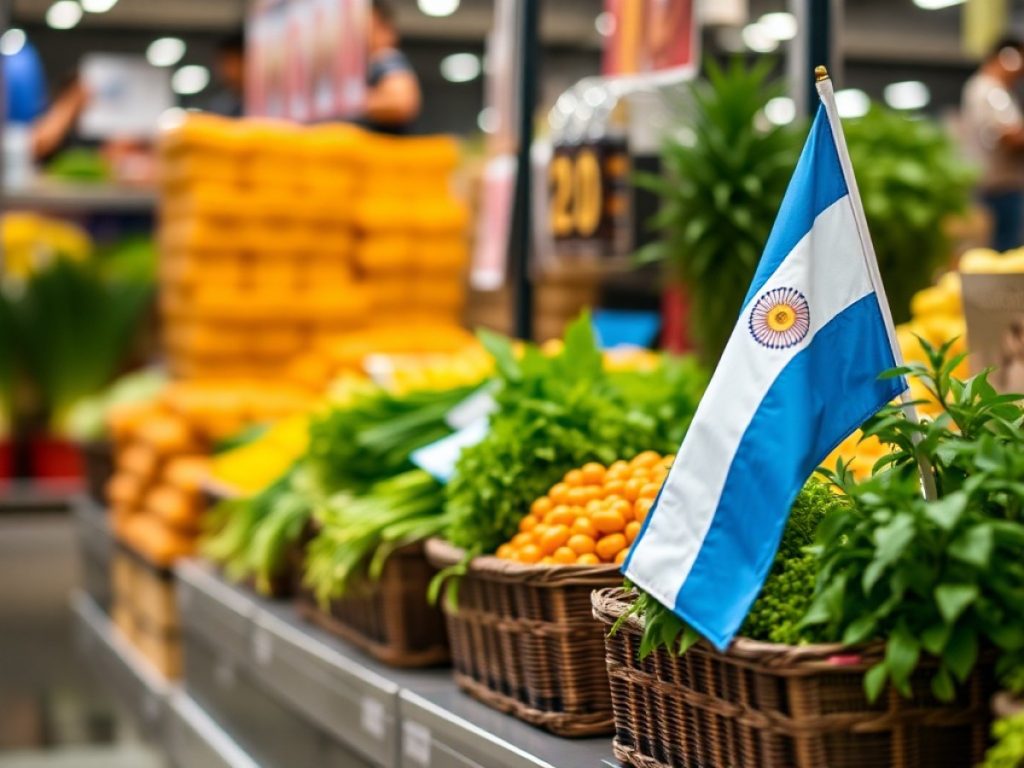
In a significant expansion of trade cooperation, the United States has recently updated its tariff schedule, increasing the number of Argentine products that can be imported duty-free. This move, marking a pivotal moment in US-Argentine relations, raises the count of zero-duty tariff lines from 1,675 to an impressive 2,212. This change follows a meticulous review by the Office of the US Trade Representative (USTR) and is part of a broader strategy to foster deeper economic ties and reciprocity through targeted trade agreements.
Despite the optimistic outlook on trade, Argentina has also been categorized under a new tariff bracket which imposes a 10% duty—mirroring the rates previously established. This reclassification is part of a broader regime aimed at tightening regulations on goods produced under forced labor conditions.
Expanded Trade Opportunities Under the New Tariff Scheme
The enhancement of the US tariff regime is not merely a numerical increase but a strategic move to bolster trade relations. The addition of 537 new product lines eligible for zero-duty status is a significant boon for Argentine exporters. These products join the extensive list of items under the Reciprocal Trade and Investment Agreement (ARTI), signed earlier in February in Washington. This agreement is a testament to the growing economic cooperation between the two nations, aiming to facilitate a smoother flow of goods across borders.
- Jojoba and argan oils
- Live animals
- Flowers
- Cork and timber
- Precious stones
This expanded list is poised to boost Argentine exports significantly, which were already projected to reach around $1.013 billion under the original 1,675 lines. The inclusion of specific country exemptions further tailors the trade landscape to benefit key Argentine industries.
Local and International Reactions to Trade Adjustments
The US Chamber of Commerce in Argentina (AmCham) has expressed optimism about the full implementation of ARTI, highlighting the broadened opportunities for local businesses. On the other hand, the Argentine government has adopted a more cautious stance, choosing to wait for further clarifications from Washington before presenting the bilateral agreement to Congress.
Despite the government’s reserved approach, some analysts have pointed out potential challenges and uncertainties that could arise from the new tariff regime. Julieta Zelicovich, a scholar of international relations, views the tariffs as a “pressure mechanism” that sustains a “state of permanent negotiation” with trade partners. She also anticipates legal challenges similar to those faced by previous tariffs implemented under emergency powers and Section 122 of the trade law.
Economic and Legal Challenges Ahead
Economist Federico Vaccarezza has raised concerns regarding the absence of a dispute resolution mechanism in the agreement, which could complicate future trade disputes. This oversight could lead to prolonged trade conflicts or legal disputes, potentially undermining the benefits of the expanded tariff lines.
Global Trade Context and Implications
The revised US tariff scheme is part of a larger trade strategy involving around 60 trading partners, covering approximately 99% of US imports. This new framework replaces the universal 10% tariff that expired the same week, marking a shift towards more specific and strategic trade measures. In a contrasting move, Brazil has faced a new 25% duty on certain imports, following a separate investigation under the same legal framework.
This intricate web of tariffs and trade agreements illustrates the dynamic and often complex nature of international trade. As countries navigate these changes, the impacts on global economic relationships and domestic industries continue to unfold, shaping the future of international trade policies.
The adjustments in the US tariff system underscore a significant shift towards tailored, strategic economic engagements rather than broad, unilateral measures. As such, these developments are crucial not only for the countries directly involved but also for the global trade community, watching closely how these policies will influence international market dynamics.
Similar Posts
- EU Strikes Tariff Deal with US After 10-Month Negotiation: Breakthrough in Trade Relations!
- Brazilian Exports at Risk: Nearly 50% May Face New US Tariffs!
- Trump Slashes 40% Tariffs on 212 Brazilian Goods: Major Trade Relief Announced!
- Uruguay Kickstarts Mercosur-Singapore FTA: Gains Preferential Access to Southeast Asia
- US Imposes Tariffs on 60 Nations Including Argentina: Crackdown on Forced Labor

Gavin Turner is a crypto market analyst with over seven years studying price fluctuations and trading volumes in the United States. He provides detailed reports on sector trends and key indicators to help you anticipate market moves. His rigorous methodology and reliable forecasts guide you in refining your crypto trading strategies.