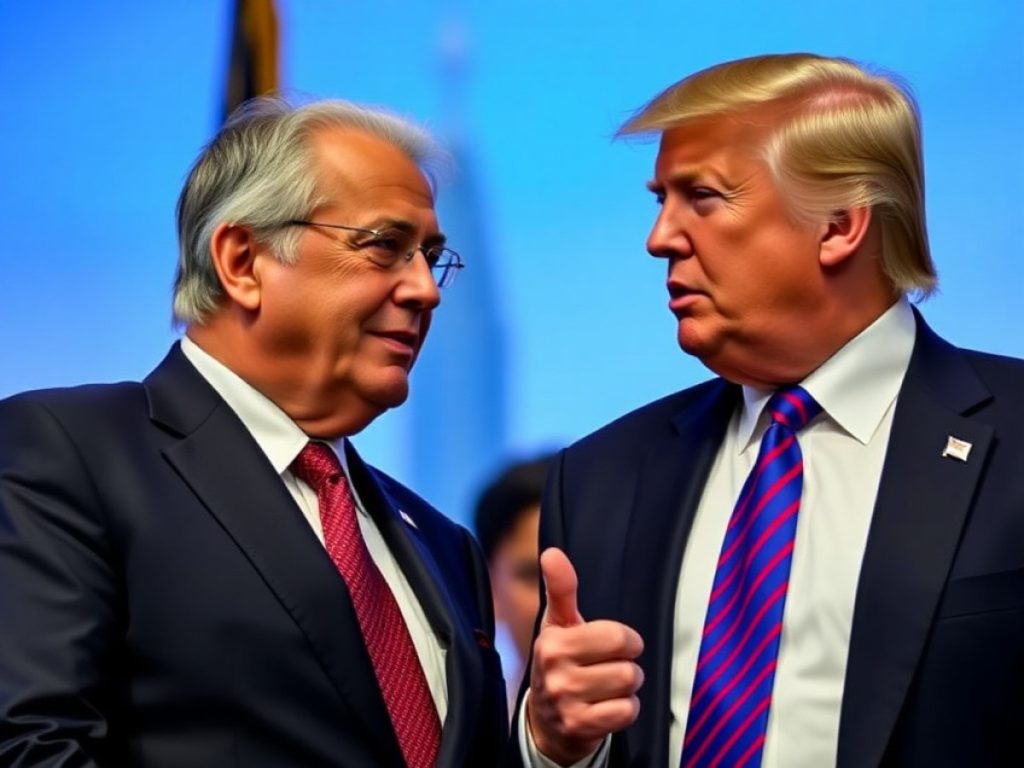
In the bustling city of Kuala Lumpur, Malaysia, a significant diplomatic conversation unfolded that could reshape economic and political landscapes across the Americas. At the heart of this dialogue were two prominent figures: Brazil’s President Luiz Inácio Lula da Silva and former U.S. President Donald Trump. The setting was the ASEAN summit, but the discussions extended far beyond regional trade agreements, touching upon vital international concerns including economic sanctions, environmental commitments, and diplomatic engagements with Venezuela.
In a series of meetings that were as much about mending fences as about charting a new course forward, both leaders voiced a mutual commitment to reducing tensions and fostering a cooperative environment. The stakes were high, and the world watched as these two nations seemed poised to embark on a path of improved relations and shared initiatives.
The Core Agendas of the Kuala Lumpur Meetings
Trade Tensions and Economic Sanctions
The specter of economic discord has loomed large over Brazil and the United States, marked notably by the 50% tariffs imposed by Washington on Brazilian imports. These tariffs, deemed “unfair” by Lula due to Brazil’s trade deficit with the U.S., were a primary focus of the discussions. The Brazilian leader, supported by his Foreign Minister Mauro Vieira, sought to not only address these specific tariffs but also to challenge the broader economic sanctions affecting sectors vital to Brazil’s economy.
Diplomatic Outreach to Venezuela
Another significant aspect of the meetings was Lula’s offer to act as a mediator with Venezuela’s leader, Nicolás Maduro. This move underscored Brazil’s role as a peacemaker in the region, with Lula emphasizing Latin America as a “region of peace.” The initiative aimed at fostering dialogue between the United States and Venezuela, potentially easing tensions that have implications far beyond their borders.
Broader Implications and Future Commitments
Addressing Global Environmental Issues
Lula’s discussions with Trump also ventured into environmental territory. The Brazilian president reiterated his invitation to Trump for the upcoming 30th United Nations Climate Change Conference (COP30). This was particularly poignant given the U.S.’s previous withdrawal from the Paris Agreement under Trump’s administration. Lula’s persuasive argument emphasized the global importance of acknowledging and acting on climate issues, a stance that resonates with the international community’s growing environmental concerns.
Legal and Political Stances
The meetings also touched on sensitive legal matters, such as the application of the Magnitsky Act sanctions against Brazil’s Supreme Federal Court judges. These sanctions, which followed the conviction of former President Jair Bolsonaro, were defended by Lula as respecting due process, highlighting his administration’s commitment to justice and legal integrity.
Optimism and Forward Motion
In a press conference that followed the closed-door meetings, Lula expressed optimism about the potential lifting of tariffs and a hopeful resolution to ongoing disputes. His confidence was evident as he projected a near future where these economic and diplomatic hurdles could be overcome, leading to a more harmonious and prosperous relationship between Brazil and the United States.
As the summit wrapped up, the commitments made in Kuala Lumpur promised not just to redefine U.S.-Brazil relations but also to influence wider international policies and practices. The world remains watchful, hopeful that these promises will manifest into tangible outcomes that support peace, prosperity, and environmental stewardship across the globe.
Similar Posts
- Trump Slashes 40% Tariffs on 212 Brazilian Goods: Major Trade Relief Announced!
- Lula Clashes With US Over Tariffs: Claims Brazil Faces Trade Deficit!
- Trump and Lula Share “Excellent Chemistry”: What This Means for Global Politics
- Lula Blasts Trump on Brazil Tariffs: Accuses Bolsonaro of Betrayal
- Lula and Trump Tackle Organized Crime, Trade Tariffs: Key Insights from Their Discussion

Gavin Turner is a crypto market analyst with over seven years studying price fluctuations and trading volumes in the United States. He provides detailed reports on sector trends and key indicators to help you anticipate market moves. His rigorous methodology and reliable forecasts guide you in refining your crypto trading strategies.