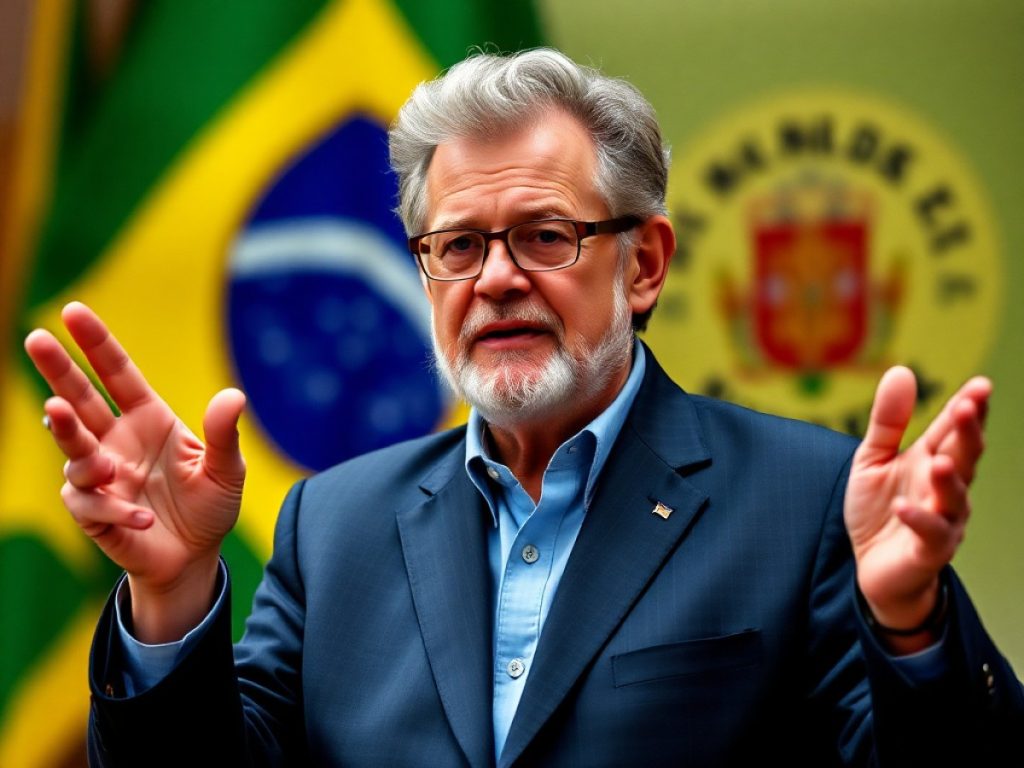
In a striking rebuttal to the United States’ recent tariff impositions, Brazilian President Luiz Inácio Lula da Silva has conveyed a strong message that if anyone should be imposing tariffs, it ought to be Brazil, not the United States. This response emerged following the U.S. Trade Representative’s decision to implement a 25% tariff on Brazilian goods. The tension has ignited discussions regarding the trade balance between the two nations, with President Lula emphasizing Brazil’s consistent trade deficit with the U.S., which he argues has been unfairly overlooked.
The Heart of the Dispute
The controversy took center stage during the inauguration of a new campus at the Goiano Federal Institute in Catalão, where President Lula voiced his concerns. He highlighted that over the past 15 years, the United States has enjoyed a cumulative trade surplus of approximately $415 billion with Brazil. This figure, according to Lula, justifies a reversal in the tariff imposition, suggesting that Brazil has more grounds to levy taxes against the U.S. than vice versa.
Recent Developments in U.S.-Brazil Trade Relations
The announcement of the tariffs came after a protracted period of trade discussions between the two countries. Lula recalled his meeting with U.S. President Donald Trump in early May at the White House, which extended for over three hours. A 30-day period was agreed upon to resolve these trade discrepancies, during which Lula presented documents purportedly showing the trade imbalance favoring the United States. Despite repeated discussions, no agreement has been reached.
Political Undercurrents
The tariff issue has also been tangled with Brazilian domestic politics, particularly the stance of former President Jair Bolsonaro’s family. Senator Flávio Bolsonaro, without directly naming Trump, expressed gratitude towards him in a social media post for his actions, which he perceived as liberating for Brazil. This was countered by his later request to Trump, during a meeting at the White House, to reconsider the tariff imposition on Brazilian goods.
Broader Implications
The U.S.-Brazil trade tiff is not just about numbers; it also encompasses broader political and economic repercussions. In 2025, the relationship saw further strains when Trump threatened to impose a 50% tariff on Brazilian exports. This threat was perceived as part of a broader geopolitical maneuver, linked to the trial and subsequent conviction of Bolsonaro, who was accused of attempting a coup post his electoral defeat in 2022.
Forward Path
The ongoing dispute remains unresolved, with both nations poised to make critical decisions that could either mend or further fray ties. The implications reach beyond bilateral relations, potentially impacting global trade dynamics and the political landscape in both countries. As negotiations continue, the international community watches closely, recognizing that the outcome could set precedents for future trade disputes globally.
Conclusion
As the situation unfolds, the stakes are high for both Brazil and the United States. The resolution of this trade dispute will not only affect the economic health of both nations but also their diplomatic relations and positions on the global stage. Both leaders face domestic and international pressures in navigating this complex issue, making the next steps crucial for the future of U.S.-Brazil relations.
This complex tapestry of economics, politics, and international relations continues to develop, offering a critical view into the mechanics of international trade disputes and their wide-reaching consequences.
Similar Posts
- Trump Slashes 40% Tariffs on 212 Brazilian Goods: Major Trade Relief Announced!
- Brazil Challenges US Tariffs at WTO: Seeks Fair Trade Remedies
- Lula Challenges Trump Over 25% Tariffs on Brazil: Declares a “War of Truth”
- Brazilian Exports at Risk: Nearly 50% May Face New US Tariffs!
- Lula Blasts Trump on Brazil Tariffs: Accuses Bolsonaro of Betrayal

Gavin Turner is a crypto market analyst with over seven years studying price fluctuations and trading volumes in the United States. He provides detailed reports on sector trends and key indicators to help you anticipate market moves. His rigorous methodology and reliable forecasts guide you in refining your crypto trading strategies.