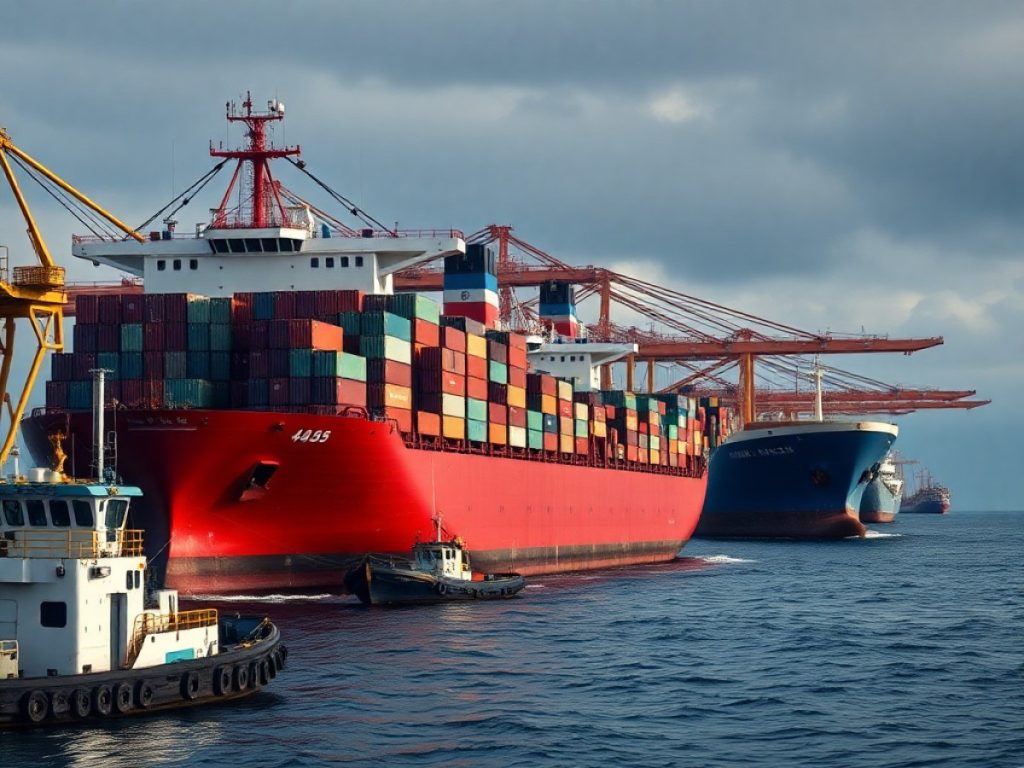
In a sudden upheaval affecting Argentina’s maritime logistics, approximately 140 vessels found themselves stranded at various ports across the nation. This massive disruption came in the wake of a new government decree aimed at deregulating the profession of maritime pilots. These professionals, who are crucial in guiding ships safely in and out of ports and navigating Argentina’s complex waterways, have ceased accepting assignments in protest. The decree, which revises regulations dating back to 1991, has sparked not only operational chaos but also a heated debate on safety and regulatory oversight in the maritime sector.
Impact on Major Export Corridors
The paralysis has significantly impacted Argentina’s principal agricultural export routes, particularly around Greater Rosario, which serves as the backbone of the country’s agricultural exports. Other affected areas include Campana, Dock Sud, and terminals like Arroyo Seco, Bahía Blanca, and San Lorenzo. These locations are vital not just for agriculture but also for the country’s fuel distribution. Even more distant locations like Caleta Córdova in Chubut, a critical node for crude oil shipments to refineries, are feeling the effects. A notable incident involved a vessel tied to the Vaca Muerta Oil Sur project, which was left unable to dock, highlighting the potential broader impacts on the energy sector.
Details of the Deregulation Decree
Issued under Decree 690/2026, the new regulatory framework introduces several significant changes:
– **Establishment of an open pilot register**: Managed by the coast guard, this register removes the previous quota system.
– **Liberalization of contract terms**: Pilots and users can now negotiate fees freely, though maximum rates are set by the National Ports and Navigation Agency.
– **Geographical flexibility**: The requirement to change pilots during a voyage depending on geographic segments has been abolished.
– **Exemptions and qualifications**: More exemptions are provided for captains with proven local experience.
– **Emergency provisions**: In exceptional circumstances, the coast guard can directly offer pilot services, with naval support.
Government and Industry Reactions
The Argentine government defends the decree as a strategic move to reduce logistics costs and foster competition in the sector. However, this perspective is not universally accepted. Industry associations have raised concerns about the potential compromise to navigational safety and the lack of consultation prior to the decree’s enactment. Legal challenges are already mounting, with plans for a criminal complaint being prepared.
Nature of the Protest and Legal Implications
The situation is further complicated by the nature of the protest. Officially, there is no recognized labor dispute since the pilots are self-employed and lack a collective bargaining entity. This classification has stymied any attempts by the Labor Ministry to intervene or mediate. Despite this, reports suggest a coordinated, nationwide work stoppage is effectively in place. The coast guard has started to issue individual directives to pilots, ordering them to resume work and warning that failure to comply could lead to criminal and administrative penalties.
As the standoff continues, the ripple effects through Argentina’s economy and its maritime operations are becoming increasingly apparent. The resolution of this conflict will require not only legal adjudication but also a delicate balancing of economic, safety, and labor considerations.
Similar Posts
- Massive Eco-Friendly Ship Docks in Montevideo: A Milestone for Sustainability
- Brazil Secures Export Deals with Philippines, Guatemala, Nicaragua: Trade Barriers Lifted!
- Argentina’s University Protests Escalate: Government Promises Talks After Marches
- Iran Declares Hormuz Fully Open Until Ceasefire Ends: Trump Upholds Iranian Port Blockade
- UK Government Endorses Falkland Islands Trade: New Guidelines Support Businesses

Gavin Turner is a crypto market analyst with over seven years studying price fluctuations and trading volumes in the United States. He provides detailed reports on sector trends and key indicators to help you anticipate market moves. His rigorous methodology and reliable forecasts guide you in refining your crypto trading strategies.