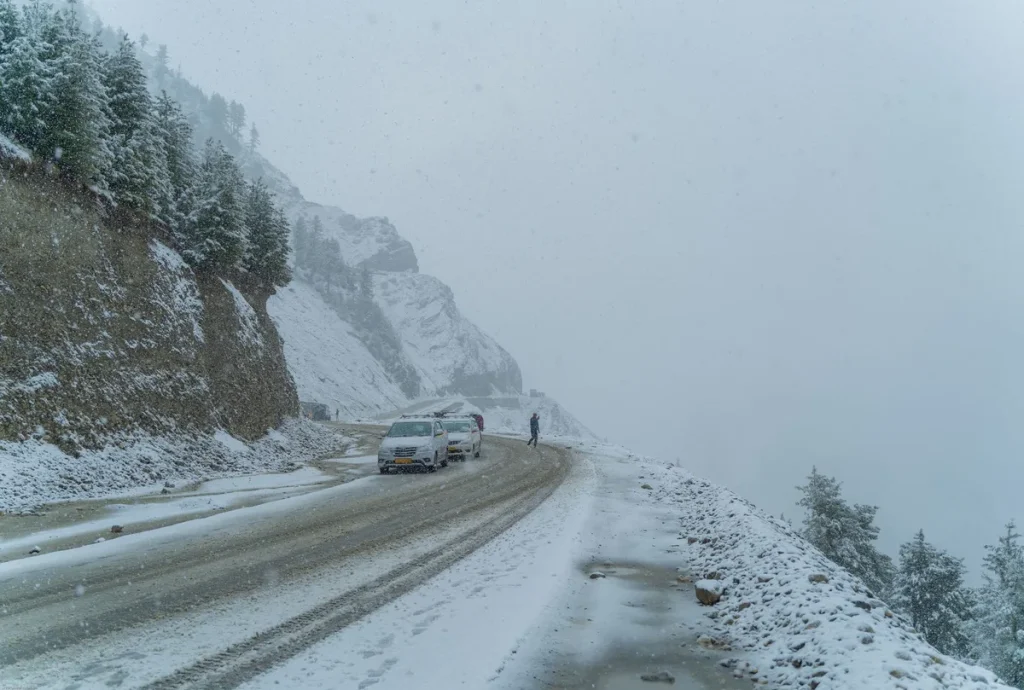
In the heart of the majestic Andes, the Cristo Redentor pass, a vital artery for commerce and travel between Argentina and Chile, has been silenced by the harshest winter in years. As snow blankets the rugged landscape, this main land crossing, which ties the Argentine province of Mendoza with Chile’s Valparaíso Region, has surpassed its previous records for winter closure. Stranded trucks, halted trade, and the roar of relentless wind form the backdrop of this unfolding drama.
On July 14, authorities preemptively sealed the corridor, anticipating severe weather. The resulting snowstorm has not only brought life to a standstill but also set a new benchmark for winter disruptions in the area. The extensive closure has affected hundreds of kilometers, leaving economic ripples across several South American countries. As both nations peer into the skies, hoping for a break in the weather, the international community watches and waits.
Breaking Down the Closure
Extent of the Snowfall and Wind
The snowstorm, which initiated the closure, deposited snow up to four meters deep in parts of the corridor, particularly stretching between the settlements of Punta de Vacas and Las Cuevas. This stretch of Route 7, now buried under snow, has faced the full fury of the storm with winds reaching speeds between 110 and 160 kilometers per hour. Visibility at times has dropped to zero, challenging even the most seasoned of meteorologists.
Impact on Transport and Trade
As the road remains buried, nearly 1,550 international freight trucks have been reported as stranded in various sectors of Mendoza, with estimates from the transport sector suggesting the number could be higher than 2,000. The vehicles, originating from countries such as Argentina, Brazil, Uruguay, Paraguay, and Chile, signify a massive logistical and economic setback. The daily loss per vehicle is estimated at around 600 dollars, compounding to significant financial figures as the closure persists.

Controversies and Challenges
Debate Over Road Conditions
The Mendoza truck owners’ association has voiced frustration over the prolonged closure, citing inspections that suggest parts of the road, up to the Puente del Inca, are navigable. They have urged the authorities to reconsider and open at least portions of the pass. In response, the national roads agency has pointed out ongoing risks such as high winds and potential avalanches, especially near the mouth of the international tunnel, which was only recently cleared.
Responses from Chile
In Chile, the head of the Border Crossings Unit, Sergio Salazar, has defended the decision to keep the corridor closed. According to Salazar, the conditions on the Chilean side were similarly perilous, and any brief windows that appeared were too risky to attempt a reopening, especially for a limited number of trucks.
Looking Forward
Prospects of Reopening
Authorities are hopeful that the corridor might reopen soon, depending on a favorable shift in the weather. However, the reopening will not immediately return things to normal. It is estimated that it could take between five to six days to clear the backlog of traffic, constrained by winter operational hours which allow for only about twelve hours of work per day. Under normal circumstances, the corridor facilitates the passage of 500 to 600 trucks daily, a figure that seems a distant reality under current conditions.
Broader Implications
The closure of the Cristo Redentor pass has also influenced other crossings in the region. The Pehuenche, Agua Negra, Pircas Negras, Pino Hachado, and San Francisco crossings remain closed, forcing detours that add around 2,000 kilometers to typical routes to the Pacific. This redirection affects logistics, costs, and the overall dynamics of trade and travel in the region.
As the snow continues to hold sway over the Andes, the economic and logistical impacts deepen, underscoring the interconnectedness of this mountainous border and the nations it serves. The resilience of the communities, authorities, and traders will be tested as they navigate the challenges of an unprecedented winter.
Similar Posts
- Major Progress on Capricorn Bioceanic Corridor: A New Link Between Atlantic and Pacific
- Chile Bans Argentine Poultry Imports: Avian Flu Outbreak Spurs Swift Action
- Lula and Noboa’s Bold Move: Bridging Ideological Gaps to Boost Trade!
- Falklands Shuts Down Loligo Squid Season Just 3 Days After Reopening: What Happened?
- Chile’s Unemployment Tops 8% for 38 Months: Economic Growth Forecast Slashed!

Gavin Turner is a crypto market analyst with over seven years studying price fluctuations and trading volumes in the United States. He provides detailed reports on sector trends and key indicators to help you anticipate market moves. His rigorous methodology and reliable forecasts guide you in refining your crypto trading strategies.