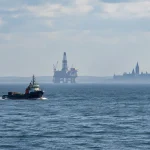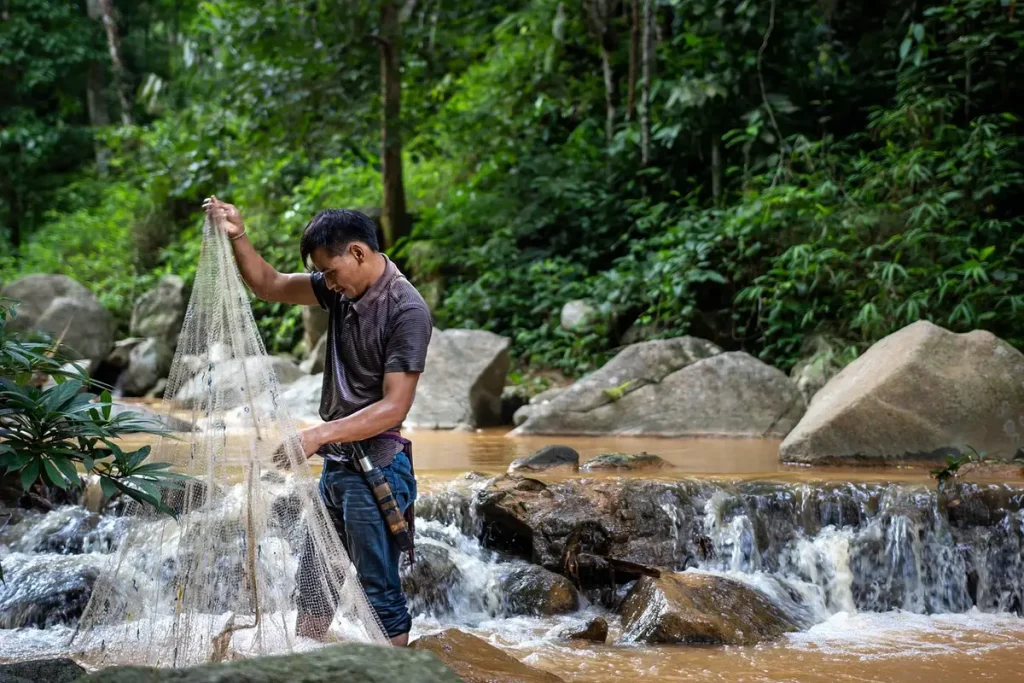
In a dramatic turn of events, the Falkland Islands Fisheries Department has once again shuttered its second Loligo squid fishing season, a mere three days after it had been reopened. This swift closure comes after an initial two-week suspension was lifted when officials detected alarmingly low biomass levels in the region. This decision underscores the precarious balance that the local government strives to maintain between economic activity and ecological sustainability.
The closure was triggered by concerning data gathered during the brief reopening period, which included two days of exploratory fishing. These findings prompted a precautionary approach to protect the vital squid population, stressing the importance of sustainable practices for the future health of this marine ecosystem. The Fisheries Department is already considering new strategies to mitigate similar issues in the 2027 fishing seasons, indicating a proactive approach to fisheries management.
Understanding the Closure Dynamics
The sequence of events leading to this rapid closure began on August 12, when fishing within the designated ‘Loligo Box’ was first halted due to the low squid biomass detected by authorities. The fishing resumed on August 24 but was abruptly stopped again by August 27. The local news outlet, Penguin News, revealed that the industry was informed just days after fishing recommenced that biomass levels had not sufficiently recovered.
Key Factors Influencing the Decision
James Wilson, the Director of Natural Resources, shared with Penguin News the complexity of the situation. He highlighted several factors affecting the Loligo squid population:
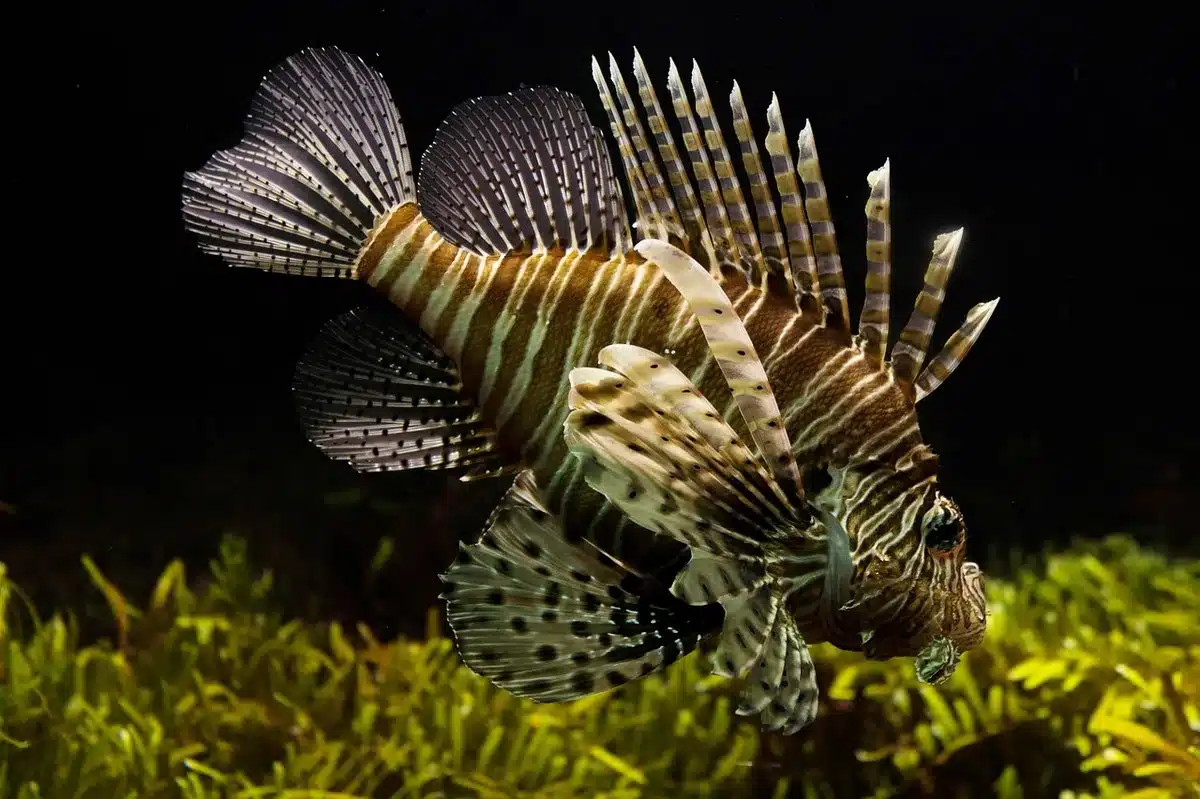
- Oceanographic currents that swept the squid out of the area in 2024, with uncertain numbers returning for breeding.
- The increasing presence of predatory hake, possibly due to the closure of adjacent Argentine fishing grounds.
- Increased fishing pressure, despite stable vessel numbers, due to larger and more powerful boats, and modified nets and fishing hours.
Historical Context
This is not the first instance of trouble in the second Loligo squid season. The past four years have seen consistent difficulties, with the 2024 season never opening due to very low biomass. Similarly, in 2025, the first season began late and ended early, while the second experienced intermittent closures.
Broader Implications for the Falklands
John Barton, acting chair of the Loligo Producers Group, emphasized the significant economic impact of the fishery. The Loligo squid is not just a source of income for individual companies but a critical component of the island's government revenue and overall economy. Barton has urged for accelerated research into the ongoing challenges, a discussion that is ongoing with the Department of Natural Resources and likely to be incorporated into the Loligo Management Plan.

Possible Future Measures
Among the strategies under consideration is the deployment of a monitoring vessel in the Loligo Box between seasons to track the onset of hake influx. While increasing efforts on hake fishing is suggested, Wilson cautioned that removing a predator like the hake could lead to unintended ecological consequences. Upcoming recommendations to the Fishery Advisory Committee include a proposal to increase the hake catch limit under certain licenses, reflecting a significant shift from the current 10% to 50%.
The management of the Loligo squid fishery highlights the delicate balance required in marine resource management, where economic needs must be carefully weighed against long-term environmental sustainability.
Economy, Environment, Fisheries, Politics, Falkland Islands.
Similar Posts
- Falklands Surge as Economic Power: 1982 Ghosts Haunt South Atlantic
- Falklands Flourish: S&P Reaffirms A+ Rating, Backs Current Legislative Assembly
- Falklands’ Massive £216M Budget: Thriving Under Fiscal Strain with ‘Live Within Our Means’ Strategy!
- Argentina Eyes Historic Trade Pact With UK: First Major Link Since 1982!
- Falklands Unveil New Banknote Collection: Join the Celebration!

Gavin Turner is a crypto market analyst with over seven years studying price fluctuations and trading volumes in the United States. He provides detailed reports on sector trends and key indicators to help you anticipate market moves. His rigorous methodology and reliable forecasts guide you in refining your crypto trading strategies.