

In the world of global commodities, few things can affect the economy as swiftly as the price of oil. Recently, Brent crude, a major trading classification of sweet light crude oil, has surged past the $100 mark, a peak not seen since late July. This significant rise, occurring on a Wednesday, was propelled by a series of geopolitical tensions and military confrontations that have heightened fears of supply disruptions. The fluctuations in oil prices, while often viewed just as economic indicators, tell a complex story of international relations, military strategies, and the fragile balance of energy supply.
Geopolitical Tensions Fuel Price Surge
Brent crude for November delivery made headlines when it crossed the $100 threshold, trading at $100.19 a barrel in the London futures market. This 2.20% increase marked the fourth consecutive session of gains. The sharp rise was largely influenced by recent escalations in attacks between the United States and Iran. The situation intensified with Iran’s Revolutionary Guard claiming attacks on U.S. warships and bases, alongside retaliation by U.S. forces against vessels linked to the Revolutionary Guard.

The Ripple Effects of Conflict
The tension in the oil markets is not solely the result of the U.S.-Iran skirmishes. The Middle East has seen a range of disruptions, including recent strikes by Houthi militias on Saudi Arabian energy facilities, which injured over 70 people and disrupted operations. Such incidents contribute significantly to the volatility of oil prices, underscoring the region’s pivotal role in global energy supply.
De-escalation Efforts and Market Responses
In contrast to the turmoil, there have been some efforts toward de-escalation. Iran and Oman have been negotiating to manage vessel transit through the critical Strait of Hormuz. This development briefly eased oil prices, demonstrating how diplomatic progress can directly impact global markets.
Historical Context and Future Projections
The current price levels, despite being high, are still below the peaks reached earlier in the year, where futures once topped $109, with dated Brent soaring above $140—the highest since 2008. The market is also operating on thin margins, highlighted by the U.S. strategic petroleum reserve dropping to its lowest since 1982.
Analysts’ Perspectives
Financial institutions like Goldman Sachs have adjusted their forecasts in light of these developments, predicting Brent could hit $120 in 2027 if production in the Gulf remains significantly reduced. This scenario paints a stark picture of how tightly supply constraints are interwoven with geopolitical stability.
Global Implications
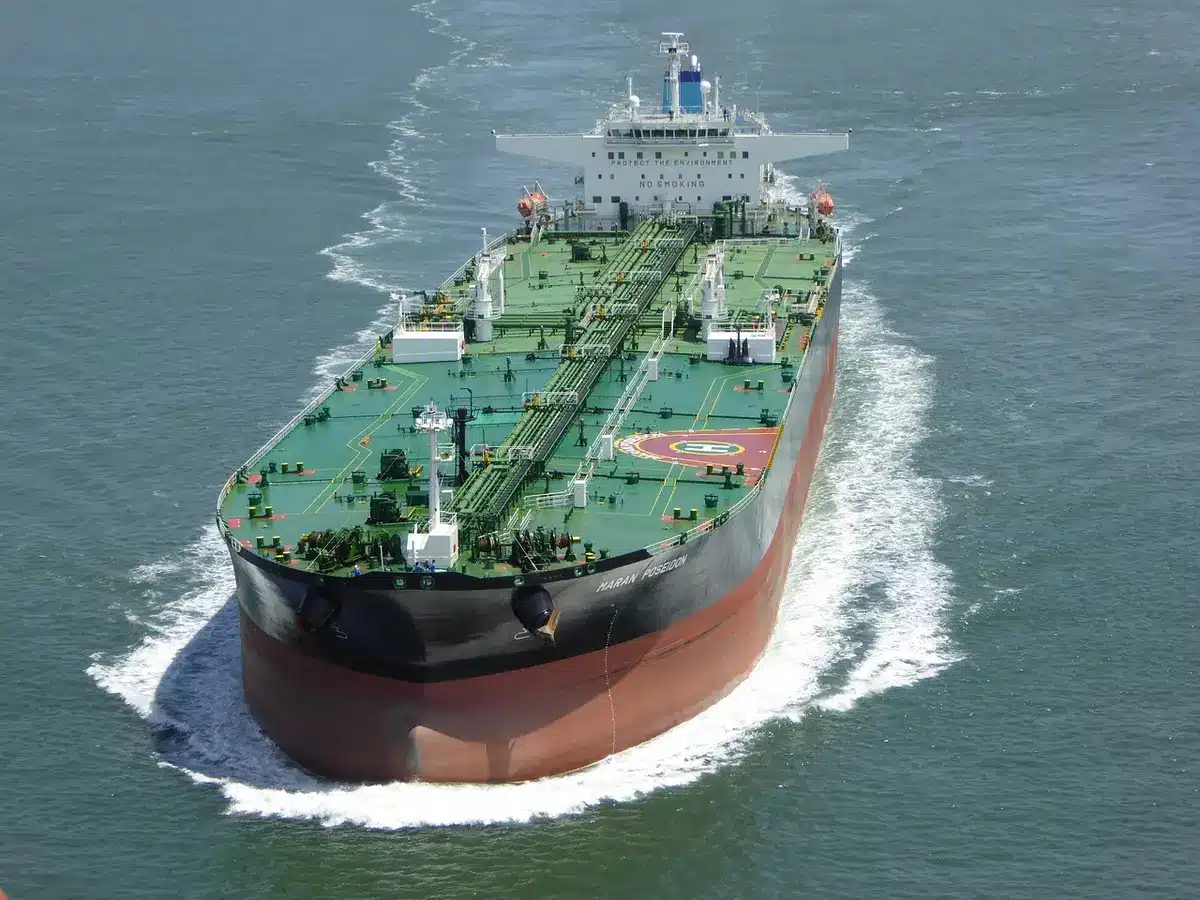
Before the conflict escalated, around 20% of the world’s oil passed through the Strait of Hormuz. This statistic alone highlights the strait’s immense significance to global energy markets and the potential worldwide impact of regional instabilities. U.S. President, Donald Trump, has suggested that crude prices might fall sharply, a statement that adds another layer of speculation to an already complex market dynamic.
Categories and Tags
Tags: Brent Oil, Donald Trump, Iran, oil price.
Similar Posts
- Oil Surges Past $100/Barrel: Middle East Conflict, Hormuz Disruption Threaten Supply!
- Trump Orders Total Blockade of Strait of Hormuz: Escalating Gulf Crisis
- Oil Skyrockets: Biggest Weekly Surge Since 2020 Amid Iran War, Hormuz Disruption
- London Stock Exchange Soars 1.26%: Oil and Defense Sectors Fuel Growth
- UAE Exits OPEC Amid Iran War Energy Crisis: Global Oil Markets in Turmoil

Gavin Turner is a crypto market analyst with over seven years studying price fluctuations and trading volumes in the United States. He provides detailed reports on sector trends and key indicators to help you anticipate market moves. His rigorous methodology and reliable forecasts guide you in refining your crypto trading strategies.





Top Comments
Disclaimer & comment rules
No comments for this story
Please log in or register (it’s free!) to comment.