In a dramatic escalation of maritime tensions, the U.S. Navy disabled a Panama-flagged container ship in the Gulf of Oman. The incident occurred after the vessel, known as the Vela Nova, allegedly attempted to violate a naval blockade by heading towards an Iranian port. This forceful action underscores the stringent measures the U.S. is willing to employ to enforce its blockade, which was reinstated amidst rising geopolitical strains in the region.
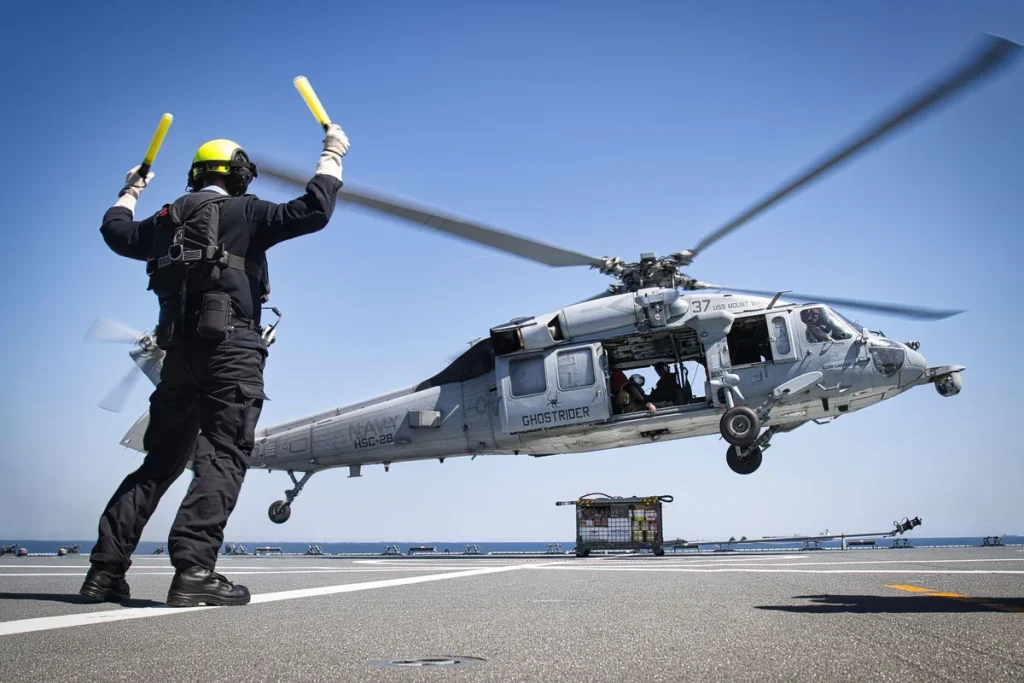
The operation was executed by a Navy MH-60 helicopter, which launched two Hellfire missiles targeting the ship’s engine room after the civilian crew ignored multiple warnings. This decisive strike left the Vela Nova adrift, unable to steer, and marked a significant show of military prowess by the U.S. as it navigates the complex waters of international diplomacy and security.
The Immediate Aftermath of the Strike
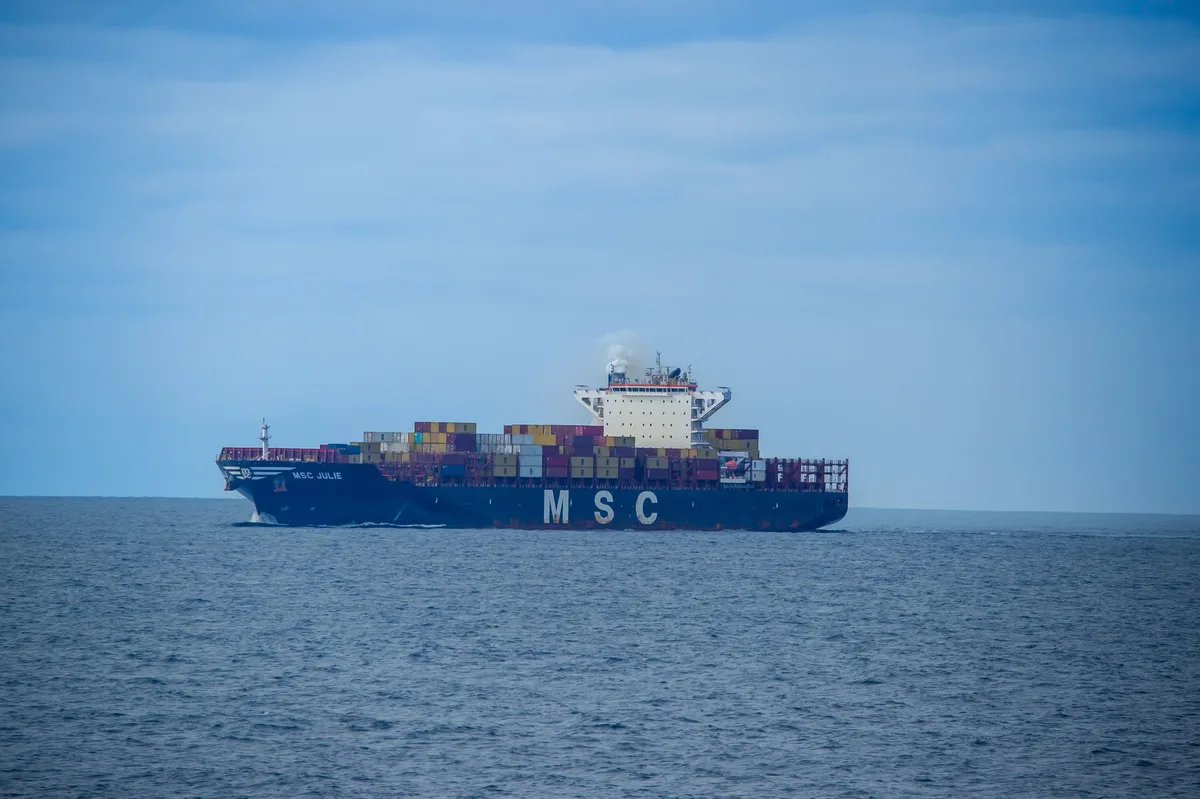
Following the missile strike, the disabled ship’s steering gear was completely incapacitated. The Vela Nova was approximately 71 nautical miles off the coast of Pakistan when it was hit. A fire broke out aboard as a result of the impact but was quickly extinguished. The crew, consisting of 17 members, was reported safe and was subsequently transferred to another vessel for their security.
Details on the Vela Nova and Its Management
Despite flying a Panamanian flag, the Vela Nova is not directly linked to Panama. The flag state is known for its open registry which allows foreign-owned ships to register under its flag for convenience. The vessel is owned by Golden Valley Marine INV and managed commercially by the same company, with Sino Hellenic Ships Management handling technical operations. The ship is classified by the Korean Register, highlighting its international ties and the global nature of modern maritime operations.
Previous Incidents Under the Blockade
This incident is not isolated. Since the re-imposition of the blockade on July 14, the U.S. has taken several assertive actions in the region:
– Redirected 55 commercial vessels attempting to breach the blockade
– Disabled three vessels, including the Vela Nova
– Boarded two vessels for inspection
Earlier in July, two other ships, the Curaçao-flagged Belma and the Mozambique-flagged Lavine, were similarly disabled. These actions represent a clear pattern of rigorous enforcement by the U.S. authorities.
Broader Geopolitical Implications
The strike on the Vela Nova occurs against a backdrop of heightened tensions and complex geopolitical maneuvering. Recent developments include a failed memorandum of understanding between Tehran and Washington, leading to a 13-day escalation in hostilities in July. Additionally, mutual demands for war damage compensations were made by both nations recently, further complicating the diplomatic landscape.
Regional Reactions and Further Incidents
In a related development, the Houthis declared a naval blockade against Saudi Arabia in July, targeting two Saudi tankers in the Red Sea. These actions highlight the volatile state of regional politics and the intricate web of alliances and enmities that characterize the Middle East.
Insights from Experts
Experts like Charlie Brown from the U.S. organization United Against Nuclear Iran suggest that the Vela Nova had been under scrutiny for its recent ports of call in Mumbai and Port Klang, which are also frequented by vessels linked to Iran. This incident, therefore, is seen not just as an enforcement action but as a signal to the international maritime community regarding the seriousness with which the U.S. views its sanctions and blockades.
The takedown of the Vela Nova serves as a stark reminder of the ongoing tensions and the high stakes involved in global shipping and geopolitical strategies. As the situation continues to evolve, the international community remains on alert for any further developments that could impact maritime security or international diplomacy.
Similar Posts
- Trump Orders Total Blockade of Strait of Hormuz: Escalating Gulf Crisis
- Oil Prices Surge Over 4%: US Blockade Causes Tankers to Reverse at Hormuz!
- Iran Declares Hormuz Fully Open Until Ceasefire Ends: Trump Upholds Iranian Port Blockade
- Massive Eco-Friendly Ship Docks in Montevideo: A Milestone for Sustainability
- Brent Surges Past $100: Hits Highest Price Since July!

Gavin Turner is a crypto market analyst with over seven years studying price fluctuations and trading volumes in the United States. He provides detailed reports on sector trends and key indicators to help you anticipate market moves. His rigorous methodology and reliable forecasts guide you in refining your crypto trading strategies.