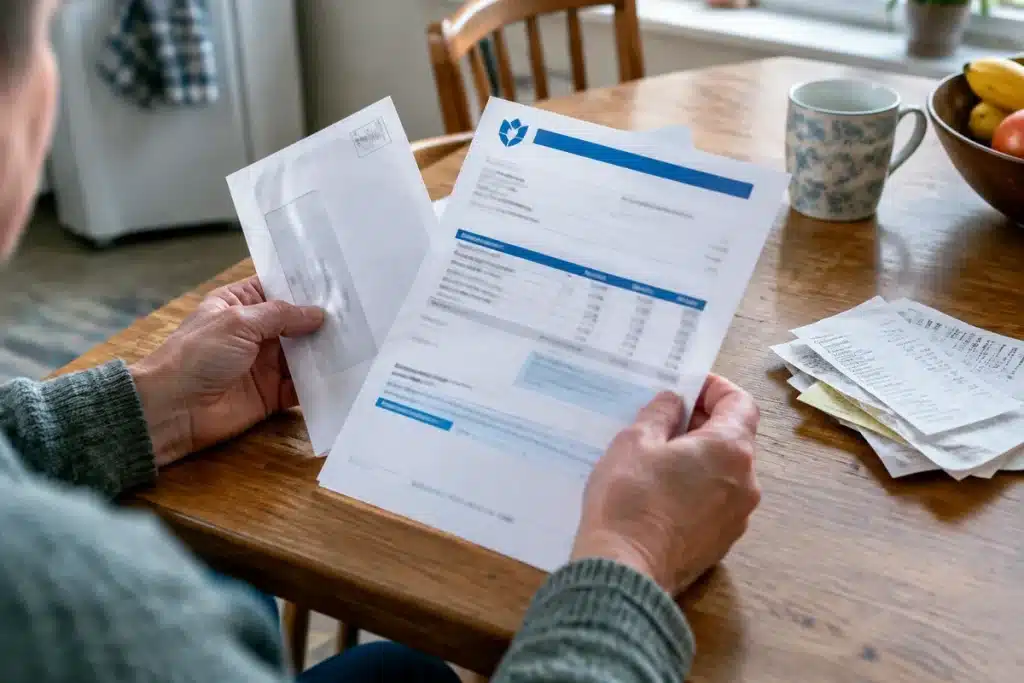
Voters across the United States are already feeling the pressure of rising household costs, and presidential promises of one-off cheques have become a new flashpoint in the run-up to the midterms. Recent announcements of targeted payments from the White House have stirred debate about fairness, feasibility and timing — especially as economists and voters alike worry whether small payouts can compensate for broader increases in healthcare and energy expenses.
The latest round of pledges includes modest relief for seniors alongside bolder, unapproved offers that would require congressional action. As campaign season intensifies, the line between policy and politics is blurring, with both practical and electoral consequences that could reshape the November outcome.
What the administration has unveiled
In recent weeks, the White House announced several direct payments aimed at different groups:

- Approximately $90 sent to more than 20 million retirees to offset Medicare Part B premiums.
- $500 promised to roughly one million people enrolled in the Affordable Care Act marketplace (Obamacare).
- A headline-grabbing pledge of $5,000 per adult announced in September — contingent on Republicans retaining control of Congress and not yet approved by lawmakers.
The $90 cheque was presented by the president on Truth Social as immediate relief, while the larger $5,000 commitment remains a campaign promise rather than enacted policy.
Who stands to benefit — and who will be left out
At first glance, the payouts appear to target vulnerable groups, but closer inspection shows gaps in coverage and purchasing power.
- Seniors enrolled in traditional Medicare will see payments aimed at their Part B premium, but many Medicare Advantage enrollees — roughly 35 million people — will not receive the same assistance, according to analysis by health policy group KFF.
- The intended $90 payment is likely to be offset by a projected increase in the standard Part B premium. The current annual premium of about $2,435 is expected to rise by roughly $79 next year, effectively erasing much of the one-off cheque.
- Those relying on ACA marketplace plans may benefit from the smaller $500 payments, but the scale is limited — only about one million people were cited as eligible for that measure.
Policy feasibility: what would be required to deliver $5,000
The promise of $5,000 per adult is politically explosive but administratively complex. It is not an executive action that can be implemented unilaterally by the president; congressional authorization and appropriations would be necessary. That raises several hurdles:
- Legislative approval from both chambers — a tall order given narrow majorities and partisan divisions.
- Budgetary offsets or emergency funding declarations to justify large, sudden disbursements.
- Practical distribution challenges, including verification of eligibility and preventing fraud.
Political reaction and party dynamics
Critics have accused the administration of using cash promises as campaign messaging. Opponents argue the timing — in the weeks before midterms — appears designed to sway voters rather than address structural economic problems. Even some members of the president’s party have expressed unease.
For example, Republican Senator John Kennedy of Louisiana cautioned against relying on transient relief, noting that voters closely watch their personal finances and will judge politicians by changes in their bank balances.
Economic backdrop shaping voter sentiment
Inflationary pressures and rising costs remain central to voters’ concerns. A recent AP-NORC poll found that nearly three in four Americans rate the national economy as poor, and 69% disapprove of the president’s handling of the economy — including a significant portion of self-identified Republicans.

Several factors are driving the squeeze on household budgets:
- Expiration of pandemic-era subsidies that had kept certain healthcare premiums lower.
- Projected increases in Medicare Part B premiums that can neutralize small one-off payments.
- Geopolitical tensions, such as the conflict with Iran, contributing to higher energy prices.
Electoral math and forecasts
Republicans currently hold slim majorities in both the House and Senate, but forecasters see risk for the party in November. A set of five election models gives Democrats varying probabilities of taking control of the Senate — from about 56% up to 73% — while chances of winning the House range broadly but are heavily skewed in Democrats’ favor in several projections (estimates between 76% and 99% in some models).
These dynamics mean campaign promises tied to congressional control are not just political theater: the actual distribution of seats will determine whether large-scale payments like the proposed $5,000 can ever move beyond rhetoric.
Similar Posts
- UK Government Takes Action: New Measures to Ease Families’ Cost of Living Crisis
- Falklands’ Massive £216M Budget: Thriving Under Fiscal Strain with ‘Live Within Our Means’ Strategy!
- UK Energy Crisis: 6 Million Households Eligible for £150 Warm Home Discount—Register Now!
- UK Government Acts: New Measures to Slash Family Living Costs Revealed!
- CFK Sounds Alarm on Potential Peso Crash Post-Oct. 26 Elections: Economic Turmoil Ahead?

Gavin Turner is a crypto market analyst with over seven years studying price fluctuations and trading volumes in the United States. He provides detailed reports on sector trends and key indicators to help you anticipate market moves. His rigorous methodology and reliable forecasts guide you in refining your crypto trading strategies.