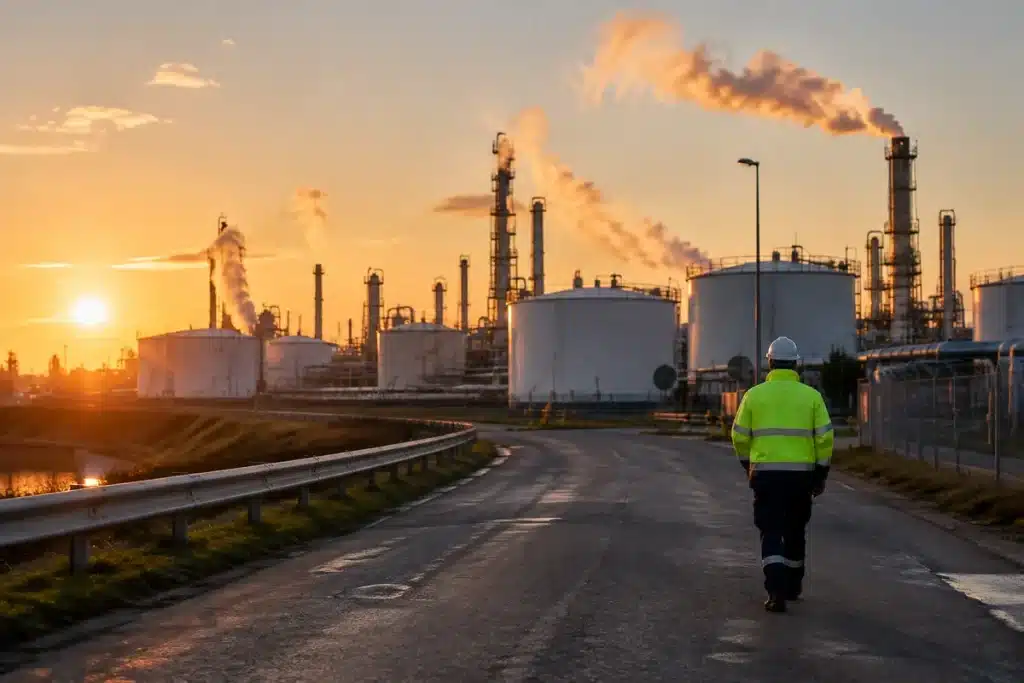
Oil companies that had been battered by swings in markets and geopolitics suddenly found themselves back in the spotlight this quarter. Two European giants posted results so strong that they rewrote expectations: profits surged, share buybacks expanded, and refining operations generated the lion’s share of the windfall. The turnaround has traders and analysts debating whether this is a temporary spike or a more sustained shift in the sector’s earnings profile.
Behind the headlines are specific numbers and operational details that tell a richer story about how refining margins, production changes and strategic cash returns are reshaping investor sentiment. Below I break down the key figures, the drivers behind the gains, and the vulnerabilities companies still face.
Why refining turned into the main profit engine
Refining margins climbed sharply in the third quarter, largely driven by heightened market volatility and supply concerns related to tensions in the Middle East. When crude differentials widen and demand for refined products holds up, refining units can produce outsized cash flow even if upstream volumes slip.
Key reasons for the margin surge:
– Regional supply disruptions and risk premiums on crude cargoes
– Strong global demand for certain refined products
– Operational leverage in refinery complexes that convert crude to higher-value fuels
These forces combined to make refining units the biggest contributors to quarterly earnings for major European producers.
Shell’s quarter: big buybacks, mixed production trends
Shell reported a sharp jump in adjusted earnings for July–September, with the company citing robust refining margins as a central factor. Highlights include:
– Adjusted earnings: US$10.81 billion (Q3 2026) versus US$5.43 billion (Q3 2025)
– Refining margin: around US$42 per barrel
– Share buyback program increased from US$3 billion to US$5 billion for the quarter
Operationally, Shell faced headwinds in upstream production. The company’s oil and gas output fell by about 17% over the first nine months, a decline the firm attributes mainly to disruptions in Qatar linked to the wider Middle East conflict. On the positive side, liquefied natural gas volumes rose roughly 12%, helped by volumes from the LNG Canada project. Shell also trimmed its 2026 capital spending guidance to a range of US$23–25 billion, signaling a more conservative investment posture for the year.
TotalEnergies’ performance: refining and chemicals shine
TotalEnergies turned in one of its strongest quarterly performances since 2022, led by exceptional results in refining and chemicals. The headline figures:
– Adjusted net income: US$9.1 billion (Q3 2026) vs US$4 billion a year earlier
– Analysts’ consensus: about US$8.3 billion (Total beat estimates)
– Refining and chemicals profit: a record US$3.6 billion
– Refining margin: approximately US$33.2 per barrel
Management pointed to nearly a 10% increase in refined product volumes as a meaningful driver, alongside supportive market conditions. TotalEnergies also confirmed a planned share repurchase of US$2.5 billion for the fourth quarter and signaled another US$2.5 billion buyback for the first quarter of 2027.

Persistent weaknesses beneath the headline numbers
Despite the large profit jumps, both groups reported areas of concern that temper the upbeat story:
– Shell: upstream volumes down sharply year-to-date, which reduces long-term revenue visibility despite higher refining profits.
– TotalEnergies: overall production averaged about 2.5 million barrels of oil equivalent per day, around 4% below what some analysts had expected, and the company recorded a US$1.9 billion impairment largely linked to offshore wind assets.
These items show that while refining can provide a short-term earnings boost, exposure to production declines and non-core asset write-downs remains a reality for integrated energy majors.
Where they operate and the regional footprint
Both companies maintain significant global footprints that influence future prospects:
– Argentina: Both Shell and TotalEnergies are active in the Vaca Muerta shale formation, a major unconventional gas and oil basin.
– Offshore Argentina: TotalEnergies also has positions in the Austral basin off Tierra del Fuego.
– Other global projects and LNG investments (e.g., Shell’s stake in LNG Canada) are shaping near-term volume trends.
These international positions will matter as both firms navigate commodity cycles, regional politics and the energy transition.
Other majors and the near-term calendar
The sector-wide picture will get more clarity as U.S. peers report their quarterly results. ExxonMobil and Chevron were scheduled to publish their numbers shortly after these European announcements, and investors will be watching to see whether the refining-driven gains appear across the industry or remain concentrated among specific players.
Similar Posts
- London Stock Exchange Soars 1.26%: Oil and Defense Sectors Fuel Growth
- Venezuela Surges: Economy Grows Over 6% in Second Quarter of 2025
- Petrobras Shatters Records: Daily Output Soars to 3.14 Million Barrels in Q3 2025
- Oil Surges Past $100/Barrel: Middle East Conflict, Hormuz Disruption Threaten Supply!
- Brent Surges Past $100: Hits Highest Price Since July!

Gavin Turner is a crypto market analyst with over seven years studying price fluctuations and trading volumes in the United States. He provides detailed reports on sector trends and key indicators to help you anticipate market moves. His rigorous methodology and reliable forecasts guide you in refining your crypto trading strategies.