
In the bustling economy of Argentina, a significant financial tremor is being felt across the households of nearly 20.4 million citizens engaged in various credit activities. As of June, reports are surfacing that a substantial 17.5% of all personal lending has fallen into arrears. This stark increase in delinquency underscores a rising trend in financial distress among Argentinians, casting a spotlight on the broader implications of macroeconomic policies and the dynamics of the credit market. With a government stance firmly against intervention, the situation calls for a closer examination of the factors at play and the potential pathways forward.
Exploring the Depths of Argentina’s Credit Crisis
The recent study from Universidad Austral and consultancy Eco Go offers a granular look into the distressing rise in credit arrears. The data, largely derived from the central bank, marks an unsettling trend: the arrearage rate has been climbing for 20 consecutive months, peaking at 17.5% this June from a mere 3.6% in December 2024.
Breaking down the numbers, it’s evident that both bank and non-bank financing sectors are affected, albeit disproportionately. Non-bank credit providers, including digital wallets and non-bank card issuers, report a staggering 31% default rate. In stark contrast, more traditional banking institutions, along with finance companies and credit unions, show a comparatively lower default rate of 15.2%.

The Role of Government and Market Dynamics
The government under President Javier Milei has taken a hands-off approach, suggesting that market forces should address the burgeoning credit issue. This stance is echoed by Economy Minister Luis Caputo, who, while acknowledging some lending rates as “abusive,” advocates for market-driven corrections over governmental interventions.
Despite the escalating financial strain on households, the central bank’s deputy governor, Vladimir Werning, noted that bank arrears might have reached their peak in the second quarter, indicating a possible stabilization or future decline in default rates.
Legislative and Provincial Responses
On the legislative front, approximately thirty bills have been introduced in Congress aimed at addressing the credit crisis, with several provinces, including Buenos Aires, Santa Fe, and the capital, offering their own refinancing solutions to alleviate the burden on distressed borrowers.

Economical Analysis and Future Outlook
Marina Dal Poggetto, director of Eco Go, attributes the surge in credit defaults to a confluence of factors. The stalling of the credit cycle in early 2025, shifts in macroeconomic policies, and the expansive growth of digital credit platforms all play integral roles. Moreover, the inadequate household income levels coupled with exorbitant lending rates exacerbate the financial woes of many Argentinians.
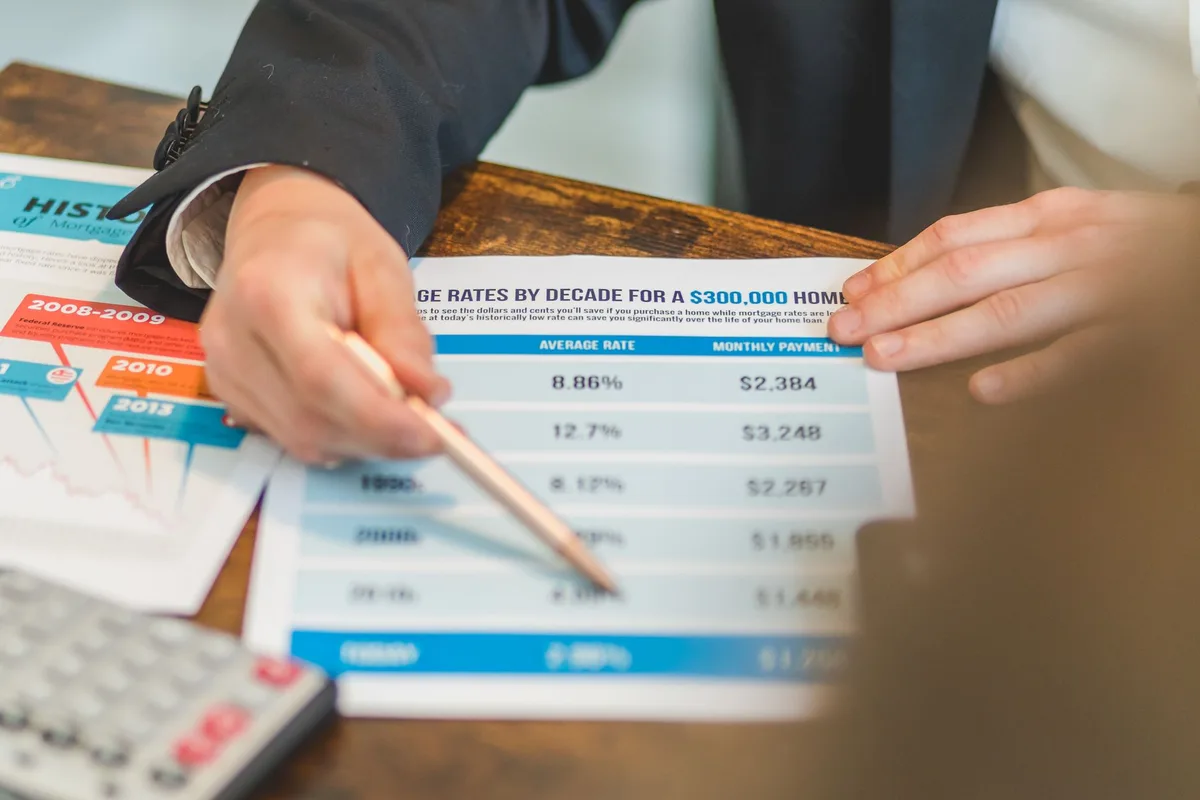
Personal loans, for instance, can attract nominal annual rates ranging from 55% to an astonishing 172% at private banks, and even higher at digital platforms, between 48% and 260%. With an annual inflation rate lingering around 33.8%, the financial strain on households is palpable.
Implications for Borrowers and the Broader Economy
The rising tide of defaults not only impacts individual borrowers but also sends ripples across the broader economic landscape of Argentina. Insights from a study by Banco de la Provincia de Buenos Aires reveal that among the four million new defaulters recorded between 2024 and 2026, three million were existing borrowers who had previously been in good standing.
As Argentina continues navigating through these turbulent financial waters, the interplay between government policy, market forces, and individual financial behavior will be critical in shaping the path toward economic stability and recovery. The unfolding scenario presents a complex tapestry of challenges and opportunities for policymakers, lenders, and borrowers alike in striving for a balanced and sustainable economic future.
Similar Posts
- Argentina Seeks Local Funding for $4.2 Billion Bond Payment: Deadline Looms on July 9
- Argentina’s Inflation Hits 10-Month Low: June Rate Plunges to Just 1.9%!
- Unemployment Overtakes Inflation as Top Concern for Argentines: New Poll Reveals Shift in Worries
- Argentina’s Country Risk Plummets to 8-Year Low: Rating Upgrades Boost Dollar Bonds
- Argentina Crisis: Dollar Skyrockets Despite Major Interventions by Central Bank, US Treasury

Gavin Turner is a crypto market analyst with over seven years studying price fluctuations and trading volumes in the United States. He provides detailed reports on sector trends and key indicators to help you anticipate market moves. His rigorous methodology and reliable forecasts guide you in refining your crypto trading strategies.