Uruguayan President Yamandú Orsi surprised some observers in Madrid by describing his ties with Argentina’s new government as not only functional but notably strong. Speaking at a crowded breakfast forum, he juxtaposed that cordiality with the importance he attributes to Luiz Inácio Lula da Silva’s recent re-election in Brazil, framing both developments as crucial for the future of Mercosur just weeks before a key summit in Montevideo.
Orsi’s comments arrive amid visible strains across the regional bloc, yet he emphasized practical cooperation and concrete projects that, in his view, transcend ideological differences. The tone of his remarks signaled a desire to keep dialogue open across capitals even as deeper disputes simmer.
Unexpected harmony with Buenos Aires
Orsi praised the working relationship between Montevideo and Buenos Aires, describing interactions as “excellent” and pointing to tangible achievements. He attributed the good rapport to steady, direct contact between governments despite differing political philosophies.
Concrete examples Orsi cited include:
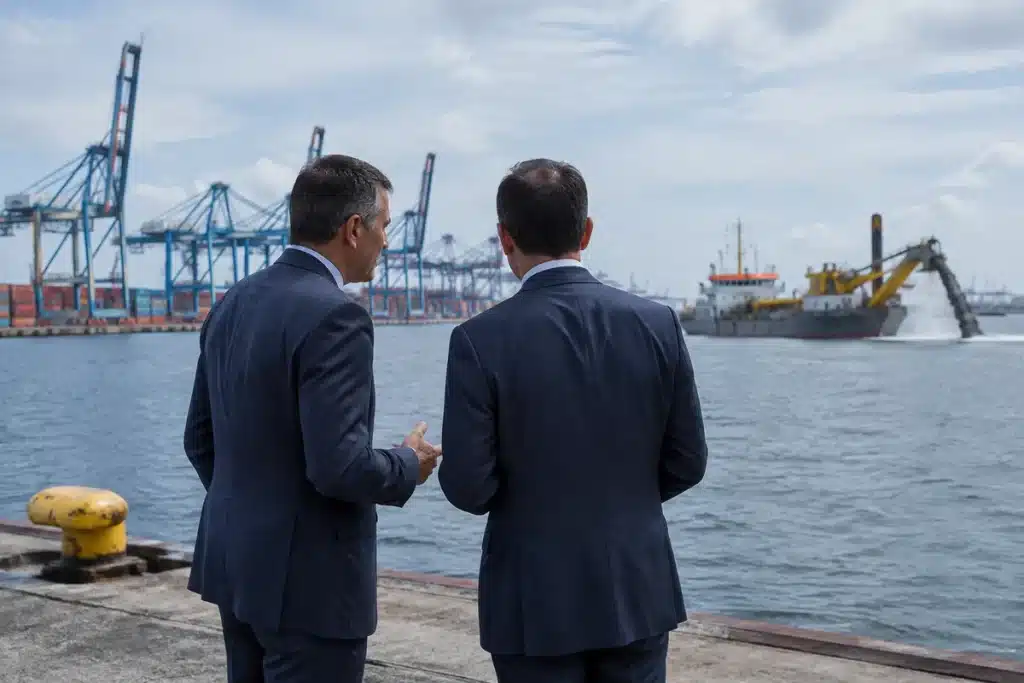
– Progress on dredging the access channel to the port of Montevideo, improving maritime logistics.
– The de-escalation and negotiated handling of tensions over HIF Global’s proposed green hydrogen plant in Paysandú.
He also noted a shared interest with Argentina in updating Mercosur’s rules to make the bloc more flexible and better adapted to current trade realities.

Why Lula’s re-election matters, according to Orsi
For Orsi, Lula’s victory on October 25 was not only a domestic event for Brazil but a regional turning point. He framed the re-election as “fundamental” for integration efforts, highlighting that candidates’ stances on cooperation influenced Uruguay’s view of their mandates.
Key points he made:
– Lula’s regional role has been constructive for multilateral initiatives.
– Shared commitments to deeper integration make coordination among Uruguay, Brazil and other members more feasible.
Rifts and pressure points inside Mercosur
Despite Orsi’s upbeat tone, several serious tensions are testing the bloc’s cohesion. Recent developments include:
– A sharp deterioration in Argentina–Brazil relations after repeated attacks by President Javier Milei on Lula.
– The departure of Flávio Bolsonaro from Brazil through Argentine territory following his electoral defeat, which added diplomatic friction.
– An institutional crisis in Paraguay following the removal and arrest of President Santiago Peña amid the collapse of Ueno Bank, and the swift inauguration of his successor, Pedro Alliana, less than two weeks later.
These episodes underline how domestic politics and crises ripple across borders, complicating efforts to present a united Mercosur policy.
What’s on the Montevideo summit agenda
The December summit in Montevideo — closing Uruguay’s pro tempore presidency — is expected to focus on both institutional reform and external trade ties. Delegates will likely debate proposals aimed at increasing the bloc’s flexibility, along with several ongoing negotiations.
Trade talks and external partners in play:
– Canada
– United Arab Emirates
– Vietnam
– Japan
– The European Union agreement, which has been provisionally applied since May 1
The summit’s discussions will have to balance members’ differing priorities: those pushing for quicker modernization and more open trade, and others wary of rapid shifts that could unsettle domestic industries.

Practical diplomacy versus political rhetoric
Orsi’s remarks illustrated a recurring theme in regional diplomacy: operational cooperation often continues even when political rhetoric is heated. Officials on the ground can advance infrastructure projects, negotiate commercial arrangements, and resolve technical disputes while leaders exchange sharp words in public.
Areas where behind-the-scenes work seems most active:
– Port and transport infrastructure
– Energy and green technology investments
– Rules for trade facilitation and customs cooperation
Signals to watch before the summit
Observers will be looking for several indicators of whether Orsi’s optimism will translate into results in Montevideo:
– Bilateral meetings between presidents and foreign ministers
– Agreed language on institutional flexibility in official communiqués
– Any breakthroughs in the listed trade negotiations
The next few weeks of diplomacy and preparatory talks will shape whether the summit yields concrete commitments or ends with vague declarations.
Similar Posts
- Uruguay Leads Mercosur: Pledges Modernization and Openness for Trade Bloc
- Mercosur Eyes Asia: Japan Talks Initiate as EU Quota Issues Remain Unresolved
- Argentina-US Trade Agreement Impacts Uruguay: What’s Next for the Region?
- Lula and Macron Push Forward: New Talks on EU-Mercosur Free Trade Agreement
- Lula’s Ultimatum Shakes EU: Macron, Meloni Stall on Mercosur Trade Deal

Gavin Turner is a crypto market analyst with over seven years studying price fluctuations and trading volumes in the United States. He provides detailed reports on sector trends and key indicators to help you anticipate market moves. His rigorous methodology and reliable forecasts guide you in refining your crypto trading strategies.