In the serene yet stark expanses of the Falkland Islands, the echo of global conflicts reverberates, bringing with it a cascade of challenges that affect everything from fuel supplies to food production. As tensions flare in the Middle East, particularly around the strategic Strait of Hormuz, the ripple effects have not spared this remote British Overseas Territory. The local government, aware of its position at the “tail end of global distribution,” has been proactively addressing these potential disruptions, ensuring that the island’s lifelines of fuel, food, and medical supplies remain unbroken.
Strategic Responses to Global Disruptions
The Falkland Islands’ unique geopolitical and geographical status necessitates a strategic approach to logistics and supply management. The local government, led by insights from the Legislative Assembly, has been actively engaged in crafting contingency plans that are responsive and robust.
Shipping and Supply Chain Adjustments
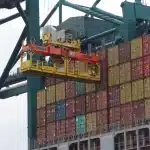
Recent events have seen significant delays in shipping to the Islands, a critical concern given its isolated location. South Atlantic Atlantic Shipping (SAAS), partially owned by the Falkland Islands Government (FIG), has been at the heart of these challenges. An after-action review of operations is soon to commence, aimed at enhancing the resilience and responsiveness of the service. This proactive measure is set to culminate in a contingency plan that will enable SAAS to secure alternative maritime services swiftly should the need arise.
Fuel Supply Security
Fuel is another critical area, given the Islands’ dependency on external sources for energy. The FIG has secured an agreement with Stanley Services Limited, which mandates a three-month fuel reserve to be maintained on the Islands at all times. This agreement is part of a broader strategy to ensure energy security and continuous review and compliance with the suppliers.
Nurturing Self-Sufficiency
Amidst external supply challenges, local production has become a focal point for ensuring sustainability. The government-owned Stanley Growers greenhouse complex is a testament to these efforts, supplying a significant portion of Stanley’s fresh produce.
Maximizing Local Production
Efforts to maximize output and diversify supply chains at Stanley Growers have recently borne fruit, illustrated by new shipments arriving from strategic trade links re-established with Chile. This not only underscores the importance of these initiatives but also highlights the government’s role in facilitating and bolstering local food security.
Healthcare and Essential Goods
The healthcare sector on the Islands has not been left unprepared. Hospital authorities and the Director of Health and Social Services are working closely with various partners, including the UK Ministry of Defence, to ensure the availability of key medicines and healthcare supplies despite recent delays.
Supporting Retailers and Ensuring Supplies
While the government does not directly involve itself in the purchasing strategies of local retailers, it remains a supportive partner, offering advice and assistance where needed. This collaborative approach has helped maintain adequate stocks of essential goods, including baby products, feminine hygiene products, and milk, throughout recent disruptions.
Navigating through these complex challenges, the Falkland Islands exemplify resilience and proactive governance. By fortifying their local capabilities and maintaining strong contingency strategies, they not only manage the immediate impacts of global disruptions but also set a precedent for remote communities worldwide.
Similar Posts
- Oil Surges Past $100/Barrel: Middle East Conflict, Hormuz Disruption Threaten Supply!
- Punta Arenas and Falklands Boom: Over 800 Business Meetings Spark Economic Surge!
- Falklands Flourish: S&P Reaffirms A+ Rating, Backs Current Legislative Assembly
- Falklands Delegation Heads to Uruguay for Construction Buys: Cost Concerns Drive the Mission
- Falklands Crisis: Soaring CPI Linked to Middle East Conflict

Gavin Turner is a crypto market analyst with over seven years studying price fluctuations and trading volumes in the United States. He provides detailed reports on sector trends and key indicators to help you anticipate market moves. His rigorous methodology and reliable forecasts guide you in refining your crypto trading strategies.