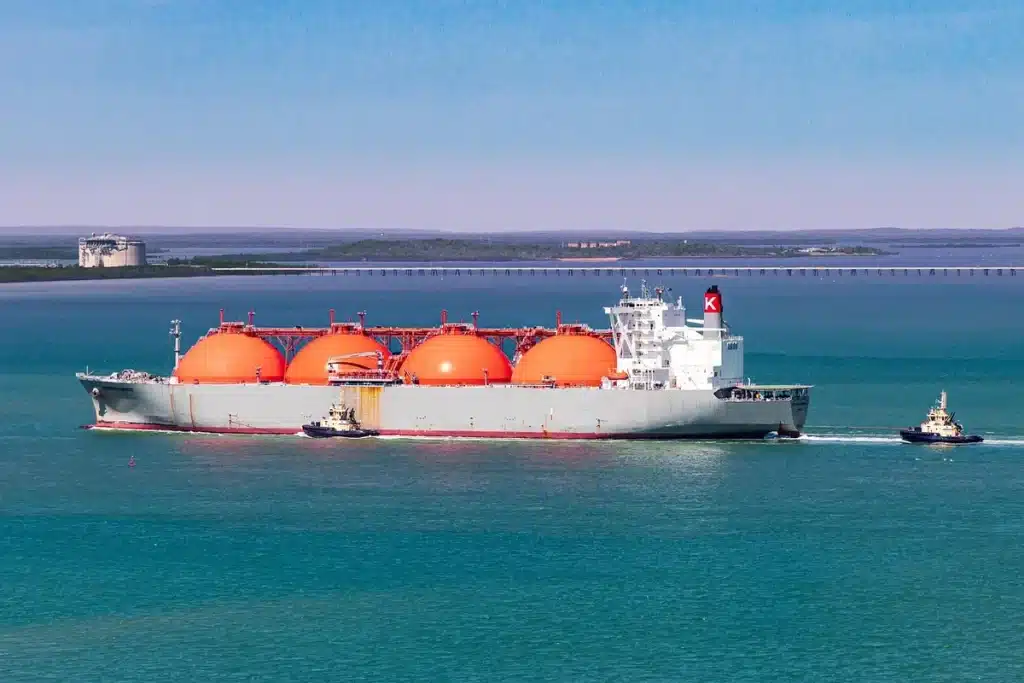
A surprise announcement on a Friday evening sent ripples through energy markets and political corridors: the United States will temporarily ease sanctions to allow millions of tonnes of Russian diesel onto global markets. The move was framed as a fast remedy for soaring fuel costs, but it instantly sparked a tangle of economic, diplomatic and security questions that now demand close scrutiny.
The deal was publicized by President Donald Trump on social media and described as the result of direct talks with Vladimir Putin. The Treasury Department followed by pausing certain sanctions on Russian diesel until April 2027, clearing the path for shipments intended to relieve price pressure at the pump and in freight-dependent industries.
What the announcement says — and the delivery schedule
The White House message set out a phased supply plan from Russia that, if realized, would total roughly 4.8 million tonnes of diesel. Key elements promoted by the administration included:
– An initial tranche of about 300,000 tonnes delivered “immediately”
– A further 500,000 tonnes slated for November
– An additional 1,000,000 tonnes to follow shortly after
– Up to three million tonnes more, contingent on refinery capacity and repair timelines
President Trump emphasized that the shipments should quickly lower diesel costs for farmers, truckers and consumers, adding a reference to U.S. control of the Strait of Hormuz as part of broader supply assurances. Russia’s investment envoy, Kirill Dmitriev, described the arrangement as ongoing energy cooperation that would benefit global markets.
Sanctions pause: legal and logistical mechanics
Temporarily suspending sanctions is the central instrument enabling the deal. The Treasury Department’s decision effectively exempts certain Russian diesel shipments from restrictions that would otherwise prevent trade. Practical implications include:
– Allowing companies and shippers to contract and unload fuel without facing immediate penalties
– Clearing insurance and banking channels that typically complicate transactions with sanctioned entities
– Creating a finite window — through April 2027 — during which these shipments are permitted
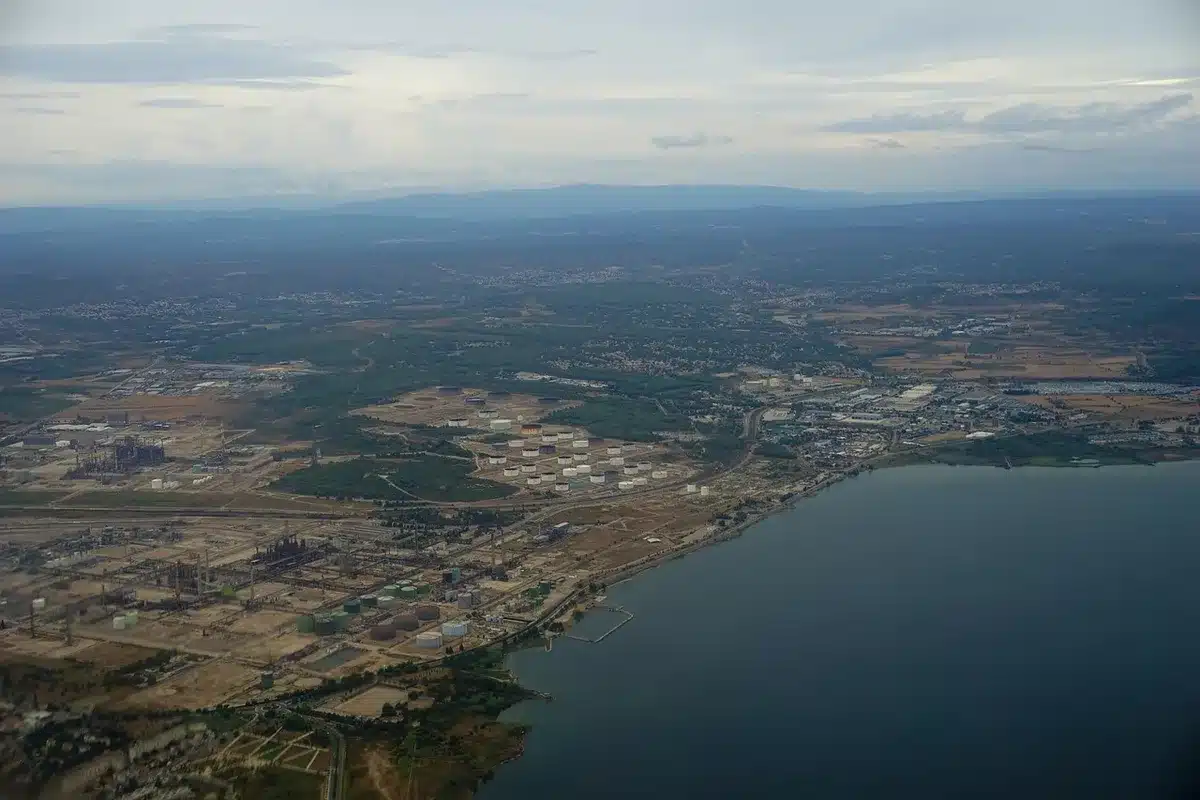
Logistics remain complicated: Russia had previously halted diesel exports after Ukrainian drone strikes damaged refinery capacity, and the resumption depends on repair progress and shipping arrangements.
Immediate market reaction
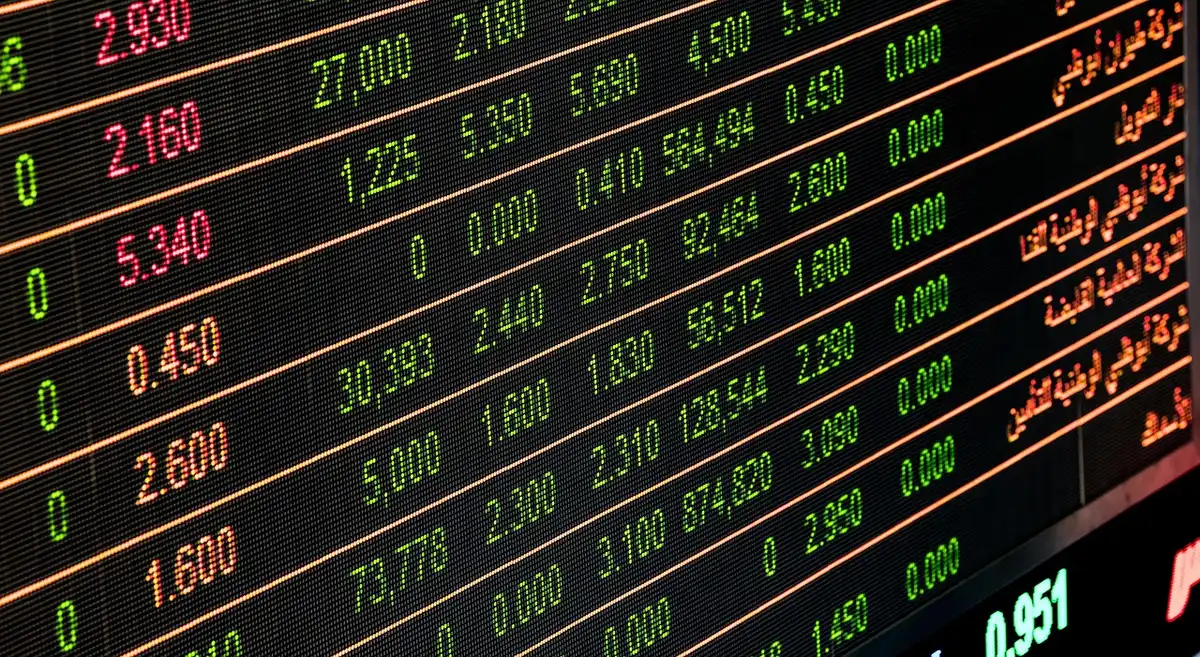
Financial markets reacted quickly. U.S. diesel futures dropped about 4.3% after the announcement, reflecting traders’ views that new supply could ease near-term tightness. For context:
– U.S. diesel reached a record high on September 22
– As of the day of the announcement, diesel was trading at around $6.27 per gallon
– Broader price drivers include disruptions to crude flows and refining from Middle East hostilities, notably tensions with Iran
Policy moves elsewhere are relevant too: last week the G7 agreed to release 100 million barrels from strategic reserves, a separate attempt to blunt price shocks ahead of key elections.
How Kyiv and other capitals responded
Ukraine’s president, Volodymyr Zelensky, reacted sharply, calling the decision “weak” and “dishonest.” His criticism was amplified by the timing: a Ukrainian delegation was in Florida negotiating a peace framework with envoys tied to the U.S. administration. Zelensky suggested the talks were being used as a distraction and warned that revenue and material flows linked to the deal would ultimately fuel Russia’s war effort.
Other international actors are watching how the sanctions exemption will be managed, whether safeguards will prevent diversion to sanctioned channels, and how allies will reconcile energy relief with ongoing support for Ukraine.
Why Russia suspended exports — and what changed
Before this agreement Russia had curtailed diesel exports after damage to refineries caused by drone strikes attributed to Ukraine. The export halt was originally scheduled to expire at the end of October, creating uncertainty around supply volumes. Factors now influencing Moscow’s decision to ship again include:
– Repairs and assessments of refinery output
– Economic incentives to capture higher global prices
– The diplomatic opportunity to reset relations with the U.S. and gain relief from sanctions pressure
Stakeholders and the immediate losers and winners
Among those affected by the decision:
– Potential beneficiaries: farmers, trucking firms, and other diesel-intensive industries that face high fuel costs
– Political winners: policymakers keen to show near-term relief on living costs ahead of elections
– Potential losers: Ukraine and supporters concerned about strengthening an adversary and undermining sanctions pressure
– Market players: traders and refiners who must adjust to an influx of product and revised risk calculations
Questions that remain open
– How will compliance and tracking of the diesel shipments be enforced to ensure fuel doesn’t flow to sanctioned networks?
– What contingencies are in place if Russia’s refinery capacity cannot deliver the promised volumes?
– How will allied governments respond if they perceive the move as undercutting collective pressure on Moscow?
Context: why diesel matters now
Diesel is central to supply chains and agriculture — fuel price spikes transmit quickly into food and transport costs. The timing is politically sensitive: with midterm elections approaching, cost of living is a pivotal voter concern. At the same time, instability in the Middle East has reduced refining availability and altered crude routes, amplifying volatility. The announced shipments are meant to be a rapid supply-side fix, but they intersect with geopolitics, sanctions policy and ongoing conflict in Europe.
Similar Posts
- Trump Battles New Front: “Pain at the Pump” as Gas Prices Soar Above $4 a Gallon
- Oil Surges Past $100/Barrel: Middle East Conflict, Hormuz Disruption Threaten Supply!
- Bolivia Ends Fuel Import Restrictions: Major Boost for Economy and Consumers!
- Investment Banks Skeptical: Venezuela Deal Unlikely to Lower Fuel Prices
- Bolivian President Cuts Fuel Subsidies, Hikes Minimum Wage: Economic Shake-Up Explained!

Gavin Turner is a crypto market analyst with over seven years studying price fluctuations and trading volumes in the United States. He provides detailed reports on sector trends and key indicators to help you anticipate market moves. His rigorous methodology and reliable forecasts guide you in refining your crypto trading strategies.