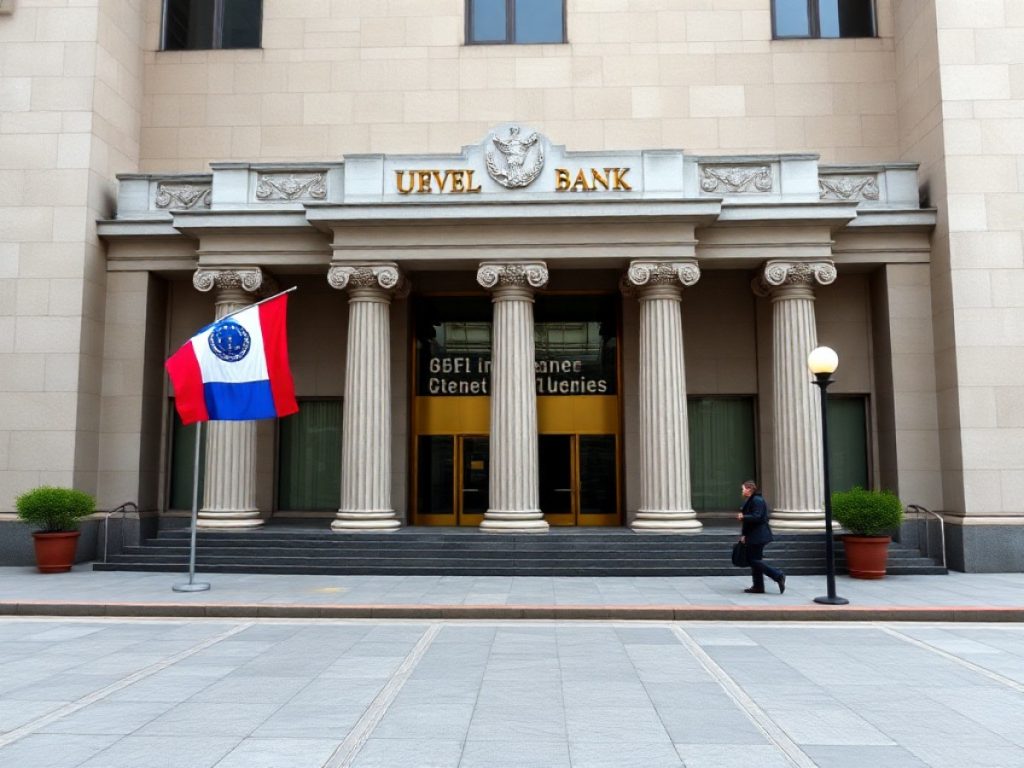
In a decisive move to steer the economy through turbulent waters, Uruguay’s Central Bank recently announced a significant reduction in its benchmark policy rate. The rate was slashed from 6.5% to 5.75%, marking the seventh consecutive cut. This unanimous decision comes at a time when the small South American nation grapples with the ripple effects of geopolitical tensions and fluctuations in global markets. Amid these challenges, the central bank aims not only to stabilize the financial environment but also to guide inflation towards its strategic target, ensuring a sustainable economic trajectory.
Understanding the Rate Cut
The Central Bank of Uruguay’s recent policy rate cut is part of a broader strategy to modulate the economic landscape. The decision aims to:
– Make borrowing more affordable, thereby encouraging investment and consumption.
– Keep inflation within a manageable range, close to the official annual target of 4.5%.
Impact of Global Events
The adjustment comes against the backdrop of increased volatility in international markets, particularly due to a resurgence of conflict in the Middle East and a noticeable rebound in the U.S. dollar’s value. These events have not only influenced trade dynamics but also had a direct impact on commodity prices, including oil.
Inflation and Economic Indicators
Currently, Uruguay’s inflation rate stands at 3.46%, continuously declining for the past seven months and edging closer to the lower boundary of the central bank’s tolerance range. This trend reflects a broad-based disinflation across various components of the consumer price index (CPI), notably in non-tradable goods.
High-Frequency Indicators
Despite the positive signs in inflation control, high-frequency activity indicators have shown weaker outcomes than expected, suggesting some underlying economic softness. This scenario underscores the necessity of the central bank’s intervention to potentially invigorate economic activity without triggering inflationary pressures.
External Economic Influences
The policy decision also takes into account significant external economic factors:
– A stronger U.S. dollar, influenced by geopolitical tensions and its role as a safe-haven currency.
– Higher energy prices, particularly oil, spurred by potential supply disruptions amid ongoing conflicts.
These elements contribute to a complex and uncertain global economic environment that the Central Bank of Uruguay must navigate carefully.
Future Outlook and Monitoring
Looking ahead, the Central Bank of Uruguay has committed to continuous monitoring of both domestic and international developments. The focus remains on ensuring that inflation aligns with targets and that the financial system supports economic growth. This vigilant approach is crucial in adapting to an ever-changing economic landscape and mitigating risks associated with global uncertainty.
In summary, Uruguay’s proactive monetary policy adjustments are a strategic response to both internal economic signals and external shocks. By fine-tuning the policy rate, the country aims to maintain financial stability and foster a conducive environment for sustainable economic growth. As the global scenario evolves, the central bank’s policies will likely adjust, reflecting a responsive and dynamic approach to economic management.
Similar Posts
- Chile’s Central Bank Slashes Interest Rate to 4.5%: What It Means for You!
- Bank of England Freezes Interest Rates: Holds Steady at 3.75%!
- Argentine Assets Plunge Amid Global Volatility: Country Risk Nears 600 Points
- Brazil’s Central Bank Predicts Lower Inflation for 2025: Economic Outlook Improves!
- Paraguay Slashes Interest Rates: Central Bank Acts as Inflation Dips Below Target

Gavin Turner is a crypto market analyst with over seven years studying price fluctuations and trading volumes in the United States. He provides detailed reports on sector trends and key indicators to help you anticipate market moves. His rigorous methodology and reliable forecasts guide you in refining your crypto trading strategies.