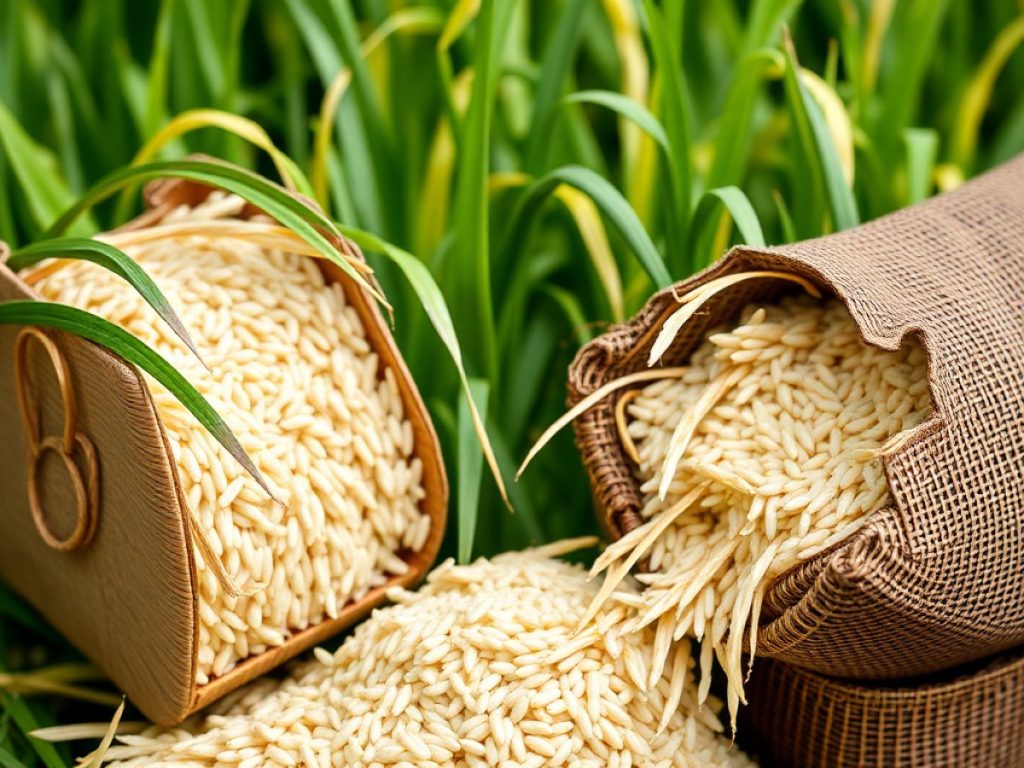
In a significant stride for international trade relations, Uruguay has swiftly captured a substantial part of the annual zero-tariff rice quota allocated to the Mercosur block by the European Union. This achievement marks a notable success following the provisional activation of the Mercosur-EU trade agreement on May 1st. The quota, amounting to 6,667 tons for this year, has been nearly two-thirds filled by Uruguay alone, revealing both the country’s commitment and capability in the agricultural sector.
Uruguayan President Yamandú Orsi and various other officials have publicly celebrated this milestone, heralding it as a testament to the quiet and effective work of the nation’s agricultural sector and the promising outcomes of their international agreements. This event not only underscores Uruguay’s dominant role within Mercosur when it comes to rice exports but also highlights the broader economic and diplomatic dynamics playing out within the block and in relationships with powerhouse trading partners like the European Union.
Impact on Uruguay’s Economy
From an economic perspective, this development is poised to significantly reduce the financial burdens on Uruguay’s rice sector. Previously, exporters paid approximately USD 10 million in tariffs in 2023 alone. The new trade arrangement promises to alleviate these costs, potentially boosting profitability and sustainability for Uruguayan rice producers. Moreover, the quota is set to increase progressively over the next five years, eventually reaching 60,000 tons annually—an opportunity that could transform the sector’s landscape.
Uruguay’s Competitive Edge
One of the key factors behind Uruguay’s success in claiming the lion’s share of the rice quota is its compliance with the stringent sanitary standards set by the European Union—a benchmark that not all Mercosur members currently meet. This compliance has granted Uruguay a competitive edge, as highlighted by Alfredo Lago, the former president of the Rice Growers Association. He credits these standards as being crucial for Uruguay’s effective and preferential access to the EU markets.
Challenges Within Mercosur
The preferential quota system, however, has not been without its challenges. The allocation method, known as “first in, first out” (FIFO), was adopted due to the lack of a consensus among Mercosur countries on how to distribute sensitive product quotas internally. This method has sparked some diplomatic friction, particularly with Argentina, which has also been vying for a larger share of the EU market for other agricultural products.
Dispute over Quota Claims
Recently, Argentine Minister for Deregulation and State Transformation Federico Sturzenegger claimed that Argentine producers had secured the quotas for honey and eggs, and he also made a contentious claim regarding the rice quota. These statements have stirred further debate and highlighted the ongoing negotiation challenges within Mercosur.
Looking Forward
The successful utilization of the rice quota by Uruguay is likely to press the need for a more defined and equitable distribution mechanism among the Mercosur nations to prevent future disputes and ensure a more unified approach to international trade agreements. Furthermore, the outcome of the rice quota allocation could set a precedent for how more critical quotas, like those for beef—a vital component of Uruguay’s export economy—are handled in the future.
As Mercosur continues to evolve and adapt to the complexities of global trade, the role of diplomacy, policy-making, and international cooperation becomes ever more crucial. The recent developments in Uruguay’s rice exports serve as a microcosm of the broader challenges and opportunities facing the bloc in an increasingly interconnected world market.
Similar Posts
- Uruguay Leads Mercosur, Prioritizes EU Quotas: New Era for Trade?
- Argentina-US Trade Agreement Impacts Uruguay: What’s Next for the Region?
- Mercosur Eyes Asia: Japan Talks Initiate as EU Quota Issues Remain Unresolved
- Uruguay, Argentina Seal EU-Mercosur Deal: Fate Now in Brussels’ Hands
- Uruguay Leads Mercosur: Pledges Modernization and Openness for Trade Bloc

Gavin Turner is a crypto market analyst with over seven years studying price fluctuations and trading volumes in the United States. He provides detailed reports on sector trends and key indicators to help you anticipate market moves. His rigorous methodology and reliable forecasts guide you in refining your crypto trading strategies.