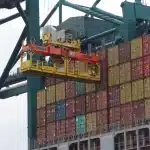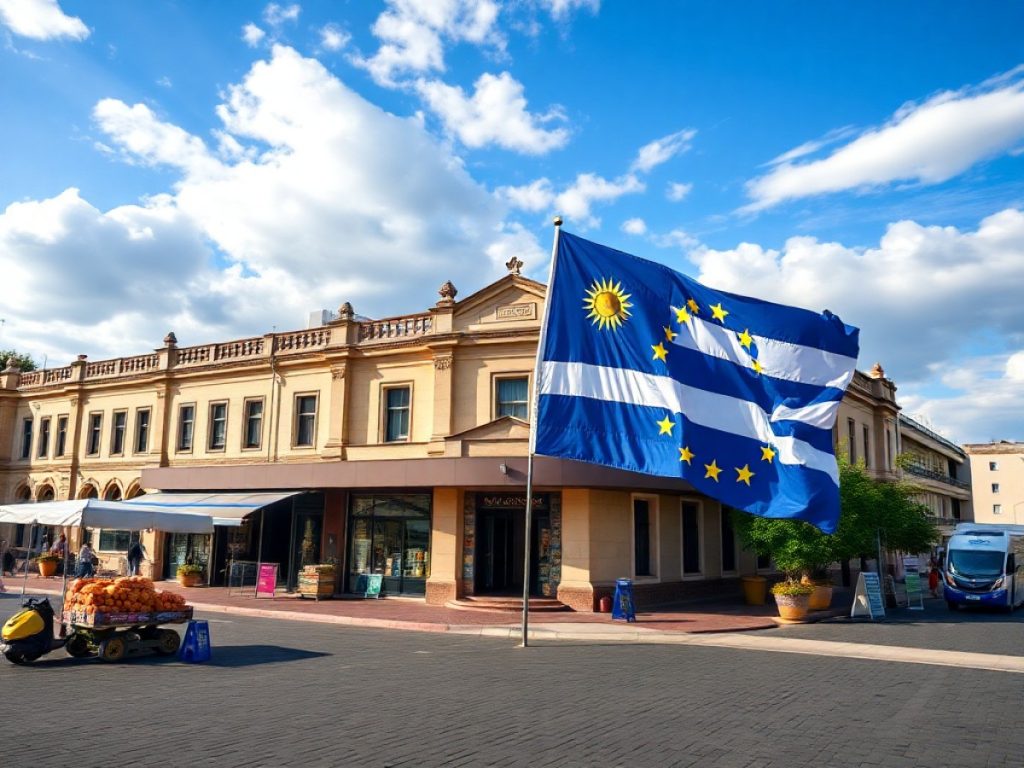
As Uruguay steps into the leadership role of Mercosur at the end of June, the stakes are particularly high. The nation is poised to tackle some pressing challenges, primarily the intricate matter of distributing quotas from its trade agreement with the European Union. These quotas, crucial for the trade of agricultural products such as beef, are yet to be allocated among Mercosur countries—a task fraught with differing opinions and economic interests. Foreign Minister Mario Lubetkin has expressed urgency in resolving these issues, emphasizing that the resolution must occur before September ends. With technical teams already mobilizing and negotiations showing signs of progress, Uruguay’s presidency might just be the turning point in a long-standing economic dialogue.
Understanding Uruguay’s Role and Challenges in Mercosur
The Pro Tempore Presidency
Uruguay will officially assume the pro tempore presidency of Mercosur during a summit in Paraguay on June 30. This role rotates every six months among the full members and allows the presiding country significant influence over the bloc’s agenda. Uruguay, taking over from Paraguay, is determined to leverage this opportunity to address some of the most contentious issues facing the bloc, including the distribution of EU quotas.
The Quota Distribution Dilemma
The distribution of quotas is a central issue. Since the commercial chapter of the Mercosur-EU agreement began provisionally on May 1—after over two decades of negotiations—the allocation of quotas granted by Brussels, particularly for beef, has been a contentious point. The member countries have proposed varying methods for this distribution:
– Uruguay and Argentina suggest allocation based on an average of exports to the EU.
– Paraguay advocates for an equal division among the four countries.
– Brazil favors distribution aligned with each country’s share in global trade.
The Uruguayan government insists that this distribution should be formalized through a binding legal instrument rather than an informal agreement among private entities.
Planned Diplomatic Engagements and Broader Goals
Upcoming International Visits
The second half of the year looks busy for Uruguay with several high-profile international visits planned. Notably, Chile’s President José Antonio Kast is expected on July 1, followed by the President of Slovakia in December. These visits are part of Uruguay’s strategy to foster stronger international relations and draw attention to Montevideo as a central hub in South American politics.
Strategic Aims for Mercosur-EU Agreement Implementation
Beyond resolving the quota issue, the Uruguayan presidency is set to focus on the deeper implementation of the Mercosur-EU agreement. This agreement opens doors to a vast market, encompassing over 750 million people and about 20% of the global GDP. The leadership intends to not only expedite discussions around the quotas but also to enhance the overall economic integration and cooperation between Mercosur countries and the EU, promising a significant impact on the region’s economic landscape.
As Uruguay navigates these complex diplomatic waters, the next few months will be crucial in defining the future economic trajectory of Mercosur and its relationship with the European Union. With a clear agenda and a determined leadership, Uruguay’s presidency could mark a new chapter in South American economic diplomacy.
Similar Posts
- Uruguay Snags 63% of Mercosur’s EU Rice Quota: Dominates Regional Trade!
- Uruguay Leads Mercosur: Pledges Modernization and Openness for Trade Bloc
- Uruguay Nears EU-Mercosur Deal Ratification: Special Committee Gives Green Light!
- Argentina Leads Mercosur: Lower House Approves Pivotal EU Trade Deal
- Uruguay, Argentina Seal EU-Mercosur Deal: Fate Now in Brussels’ Hands

Gavin Turner is a crypto market analyst with over seven years studying price fluctuations and trading volumes in the United States. He provides detailed reports on sector trends and key indicators to help you anticipate market moves. His rigorous methodology and reliable forecasts guide you in refining your crypto trading strategies.