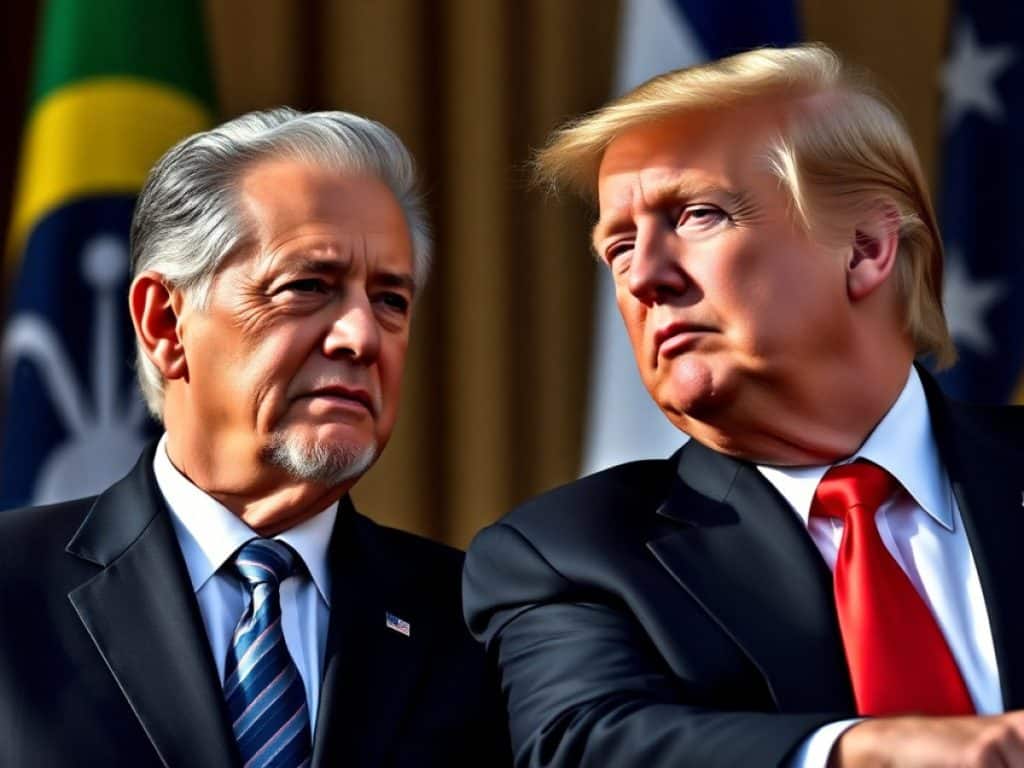
In a significant diplomatic exchange, Presidents Luiz Inácio Lula da Silva and Donald Trump recently engaged in a 40-minute phone call that could be a turning point for both nations. The conversation, held just yesterday, underscored a mutual commitment to intensify the fight against international organized crime and to revisit trade tariffs that have impacted Brazilian exports to the United States. The outcomes of this dialogue suggest promising advances in cross-border cooperation and economic diplomacy, hinting at a potentially smoother road ahead for the two countries’ trade relations.
Detailed Discussion Points
Combating Organized Crime
During their conversation, the two leaders delved into the cooperative measures needed to tackle transnational criminal organizations more effectively. President Lula highlighted recent operations by Brazil’s Federal Police, such as Operation Hidden Coal, which targets illicit activities in the financial markets and fuel smuggling. These operations have revealed the complex networks that these criminal groups operate, extending well beyond national borders.
President Trump expressed his administration’s readiness to support Brazil in these efforts, emphasizing a shared interest in dismantling these criminal networks. The collaborative approach discussed suggests a robust partnership forming in the realm of security and law enforcement.
Trade Tariffs and Economic Interests
A significant portion of the discussion focused on the trade tariffs imposed by the U.S. and their impact on Brazilian goods. Despite a recent decision by the U.S. to lift an additional 40% tariff on certain agricultural products from Brazil, including meat, coffee, and fruit, other products continue to face high tariffs. President Lula urged for swift action to address these remaining barriers to enhance Brazil’s access to the U.S. market.
Vice President Geraldo Alckmin, who is spearheading the tariff negotiations on behalf of Brazil, was mentioned as being keen on advancing these discussions to foster a more equitable trade relationship.
Previous Diplomatic Engagements
This phone call follows a series of face-to-face meetings between the two presidents, including encounters at the UN General Assembly and a subsequent meeting in Malaysia. These interactions have laid the groundwork for Tuesday’s productive discussion and are part of a broader attempt to reset diplomatic and economic ties following tense moments under previous administrations.
The conversation ended with both leaders agreeing to reconvene soon to assess the progress of these initiatives, signaling an ongoing commitment to strengthening bilateral relations.
Looking Forward
The dialogue between Presidents Lula and Trump marks a potential shift towards more amicable and cooperative U.S.-Brazil relations. The emphasis on joint crime-fighting initiatives and the push for fairer trade practices reflect a mutual recognition of the benefits that a strengthened partnership could bring. As these leaders continue to communicate and collaborate, the international community watches eagerly, hopeful for continued positive outcomes that could influence broader geopolitical dynamics.
Similar Posts
- Lula and Macron Push Forward: New Talks on EU-Mercosur Free Trade Agreement
- Lula and Sheinbaum Forge Ahead: Pioneering Joint Developments
- Lula and Trump Advance at Malaysian Summit: Key Developments Unveiled
- Trump Slashes 40% Tariffs on 212 Brazilian Goods: Major Trade Relief Announced!
- Lula and Trump Reset Ties: Inside Their Pivotal Three-Hour White House Meeting

Gavin Turner is a crypto market analyst with over seven years studying price fluctuations and trading volumes in the United States. He provides detailed reports on sector trends and key indicators to help you anticipate market moves. His rigorous methodology and reliable forecasts guide you in refining your crypto trading strategies.