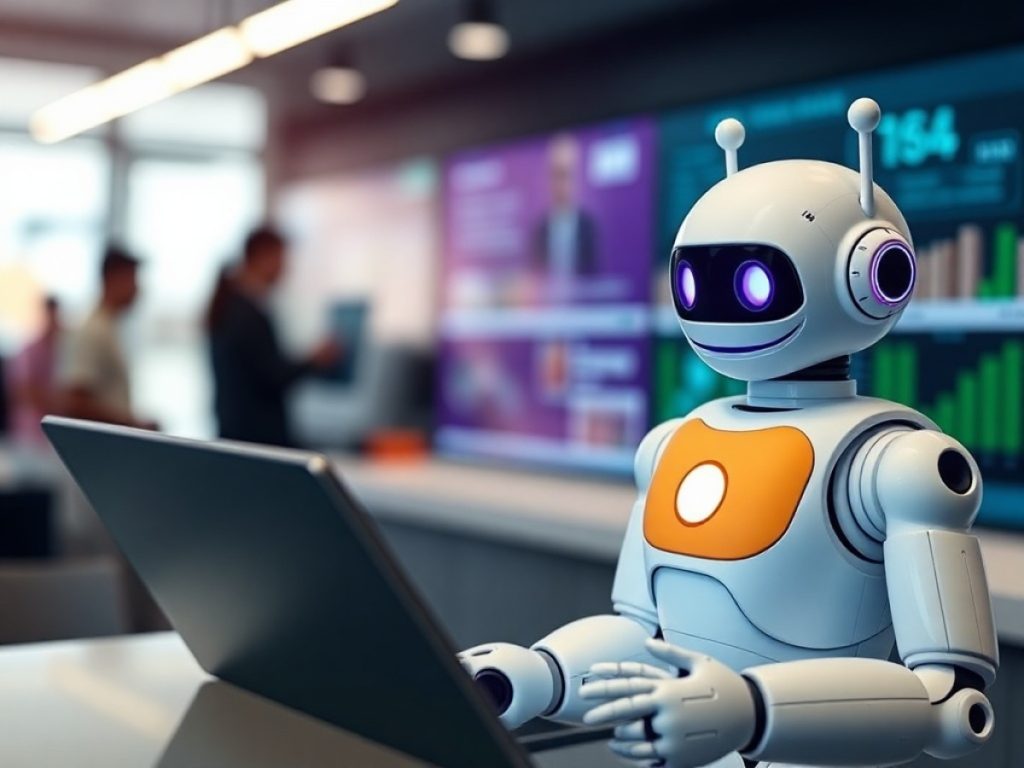
In the fast-paced world of digital marketing, the demand for instant, effective communication is ever-growing. At HubSpot, this challenge prompted a significant shift in strategy for our Conversational Marketing team. Initially, our approach relied heavily on a global team of over a hundred live sales agents, known as Inbound Success Coaches (ISCs), to manage our website chat volume. They did an admirable job handling inquiries, qualifying leads, and directing traffic to the appropriate sales channels. However, as our volume increased, it became clear that this method was not sustainable at scale. We needed a solution that could handle the growing demand without compromising the quality of our engagements. Enter SalesBot, our AI-driven chat assistant, designed not just to manage but to excel in customer interaction by qualifying leads and even making sales autonomously.
Revolutionizing Customer Interaction with AI
Launching SalesBot: A Strategic Shift
The genesis of SalesBot was driven by the need to streamline operations and enhance efficiency. Initially, our primary objective with SalesBot was to deflect straightforward, low-intent queries that clogged our human agents’ workload. By integrating AI, we aimed to free up our human resources to focus on more complex, high-value interactions. SalesBot was trained using a vast array of data sources, including HubSpot’s knowledge base and product catalog, which enabled it to handle over 80% of chat interactions, significantly reducing the strain on our human team.
Enhancing Lead Scoring and Closure Techniques
While deflection was SalesBot’s first task, the real challenge was ensuring it could also contribute to business growth. We introduced a real-time propensity model that scores conversations based on CRM data, chat content, and predicted intent. This model allows SalesBot to identify and escalate high-potential leads automatically, bridging the gap between simple query resolution and proactive sales generation.
From Support to Sales: Training AI to Sell
Our ambitions didn’t stop at lead scoring. We trained SalesBot on our own sales qualification frameworks, enabling it to not only respond to queries but also to guide prospects through the sales funnel. This capability transformed SalesBot from a support tool into a potent sales assistant, capable of handling transactions directly through the chat.
Focusing on Quality Interactions Over Quantity
We quickly realized that traditional metrics like Customer Satisfaction Scores (CSAT) were inadequate in assessing the effectiveness of AI interactions. To address this, we developed a custom quality rubric, crafted in collaboration with our top-performing ISCs. This rubric focuses on various dimensions of a quality conversation, such as depth of inquiry and accuracy, ensuring that SalesBot’s interactions are consistently beneficial and on-brand.
Global Expansion and Efficiency
One of the significant advantages of implementing AI like SalesBot was its ability to manage multilingual conversations globally, providing a uniform quality of service across different regions without the need for extensive human resources. This not only improved our operational efficiency but also enhanced our customer reach and satisfaction internationally.
Building a Collaborative Team Environment
The success of SalesBot was not the result of a single team’s effort but a collaborative endeavor across multiple departments including Conversational Marketing and AI Engineering. This collaboration ensured a blend of strategic oversight, user experience focus, and technical expertise, driving continuous improvements in SalesBot’s capabilities.
Embracing Product Mindset in AI Development
Our approach to SalesBot was not as a static tool but as a continuously evolving product. Over time, we’ve enhanced its capabilities, integrating advanced models like GPT-4.1 and improving its conversation handling and lead conversion metrics. This iterative, product-driven mindset has been crucial in adapting to evolving market needs and maximizing AI’s potential in sales.
The Human Element Remains Indispensable
Despite the advances in AI, the human element remains irreplaceable in certain aspects of customer engagement. Complex problem-solving, empathy, and personalized service are areas where human agents excel. At HubSpot, we continue to rely on the insights and expertise of our ISCs to refine and guide SalesBot’s performance, ensuring that our technology complements rather than replaces the human touch.
Structured Data and Model Training
Our initial attempts at training SalesBot with unstructured data led to some setbacks in model performance. We learned the importance of not just feeding the model more data but better-structured data. This led to the implementation of a retrieval-augmented generation framework, which significantly improved SalesBot’s reliability and effectiveness in handling complex sales interactions.
Key Principles for Implementing AI in Customer Engagement
For organizations looking to introduce AI into their customer engagement strategies, the journey of HubSpot’s SalesBot offers valuable insights. Here are some foundational principles that were crucial to our success:
Establish a Solid Foundation First
Before AI implementation, ensure that there is a solid foundation of live interactions and high-quality training data. This base will inform your AI’s learning and help it recognize high-quality engagement patterns.
Learn from Human Excellence
Deeply understand the strengths of your human team and use these insights to train your AI. This includes nuances in communication, trust-building language, and recovery tactics during off-script interactions.
Foster an Experimentative and Data-Driven Culture
AI should be viewed as an ongoing project with constant iterations. Encourage a culture of experimentation within your team, focusing on data-driven decisions and learning from every outcome to refine and enhance your AI solutions.
AI as a Catalyst for Strategic Growth
The integration of AI into HubSpot’s customer engagement process has not just been about adopting new technology; it’s been about enhancing and accelerating our overall market strategy. SalesBot, as an AI tool, reflects our commitment to innovation, efficiency, and customer-centricity, proving that when done right, AI can significantly amplify the effectiveness of traditional sales and marketing tactics.
Similar Posts
- Discover the New HubSpot Agent CLI: Streamline Your Marketing & Sales Tasks!
- Top Enterprise Generative AI Tools: Boost Productivity and Innovation!
- Unlocking CRM Data Models: Understanding Objects & Relationships
- Top 14 AI Chatbots for Marketers Reviewed: Insights & Performance Data Revealed
- Master AI Integration Now: Essential Guide for GTM Teams to Excel

Mason Brooks is a blockchain business strategist with six years of experience launching crypto startups in the United States. He breaks down innovative business models and best practices to turn your ideas into reliable revenue streams. His pragmatic approach provides you with actionable roadmaps and inspiring case studies.