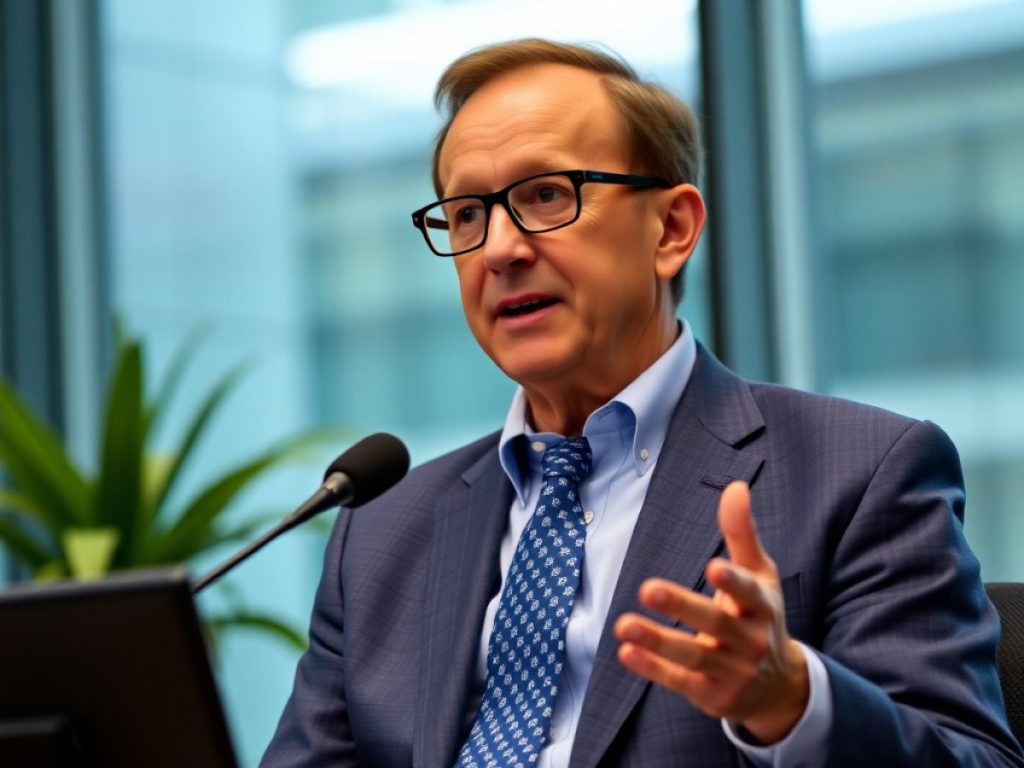
In a bold move that aligns with global trends, Brazil’s Vice President and Minister of Industry and Trade, Geraldo Alckmin, has voiced his support for the consideration of reduced working hours in Brazil. During a recent event at the Federation of Industries of the State of São Paulo (Fiesp), Alckmin engaged with industry leaders on this progressive topic, amidst discussions on trade defense and regulatory improvements. The dialogue on shortening the workweek surfaces as business leaders seek to postpone debates on dismantling the traditional 6×1 work schedule, citing the potential for heightened tensions in an election year. Yet, Alckmin suggests a thoughtful approach, emphasizing the need to reflect the diverse realities of Brazil’s productive sectors while acknowledging the international momentum toward shorter work hours.
Global Trends and Local Debates
Alckmin, speaking at Fiesp, underscored the international shift toward reduced working hours, a change already being adopted in various countries. This global perspective is crucial as Brazil contemplates this transition, ensuring the nation remains competitive and aligned with international labor trends. The discussion, however, faces resistance from some local business leaders, including Fiesp president Paulo Skaf, who proposes delaying this conversation until 2027 to avoid the politicization typical of election periods.
Strengthening Trade Defense and Regulatory Frameworks
In addition to labor discussions, the meeting at Fiesp was also an opportunity for Alckmin to sign two significant memorandums of understanding aimed at bolstering Brazil’s trade position and regulatory environment:
– **Trade Defense**: Cooperation between the ministry and Fiesp will include sharing technical tools and experiences, notably developing a “dumping margin calculator” to expedite trade-defense investigations.
– **Regulatory Improvements**: Efforts will focus on reducing bureaucratic red tape, enhancing regulatory quality, and expanding digitalization to integrate systems across public services, ultimately reducing the costs associated with administrative compliance for businesses and the society at large.
Monetary Policy and International Tariffs
Addressing the economic landscape, Alckmin shared his expectations regarding Brazil’s monetary policy. He predicted that the Central Bank of Brazil might start lowering the benchmark Selic rate, which stands at 15% per annum, in its upcoming March meeting. This adjustment is anticipated due to a strengthening real and a decrease in food inflation. Furthermore, Alckmin commented on the new 15% global tariff announced by the United States, viewing it as advantageous for Brazil. He explained that a uniform tariff rate could lessen the relative disadvantages Brazilian businesses might face against international competitors.
As Brazil navigates these complex economic, regulatory, and labor issues, the leadership’s approach to blending international trends with domestic realities will be pivotal in shaping the country’s future in both the industrial and trade sectors. The ongoing discussions at national forums like the one led by Fiesp provide a critical platform for these essential debates, reflecting the nuanced interplay of local challenges and global opportunities.
Similar Posts
- Lula and Macron Push Forward: New Talks on EU-Mercosur Free Trade Agreement
- Lula Clashes With US Over Tariffs: Claims Brazil Faces Trade Deficit!
- Brazilian Exports at Risk: Nearly 50% May Face New US Tariffs!
- Lula and Noboa’s Bold Move: Bridging Ideological Gaps to Boost Trade!
- Lula and Sheinbaum Forge Ahead: Pioneering Joint Developments

Gavin Turner is a crypto market analyst with over seven years studying price fluctuations and trading volumes in the United States. He provides detailed reports on sector trends and key indicators to help you anticipate market moves. His rigorous methodology and reliable forecasts guide you in refining your crypto trading strategies.