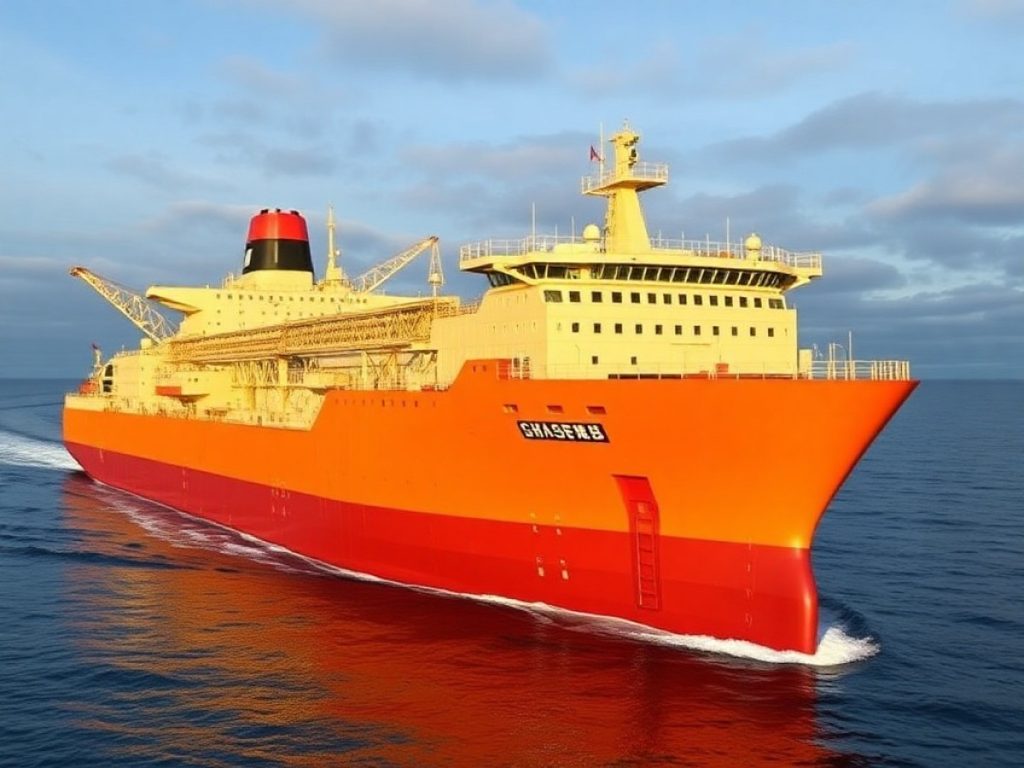
In the vast, wind-swept expanses of the North Falkland Basin, a pivotal development is unfolding that will substantially boost the region’s oil production capabilities. At the heart of this advancement is the Aoka Mizu FPSO (Floating Production, Storage, and Offloading unit), which is set to undergo significant upgrades starting this June. Initially planned for the Middle East, these enhancements have been relocated to Asia due to the escalating conflict in Iran, a move that has introduced additional costs but is expected to keep the project on track. This strategic shift underlines the complexities and dynamic nature of global energy projects, where geopolitical tensions frequently intersect with economic ambitions.
Rockhopper Exploration, a UK-based entity with significant stakes in the Falkland oil scene, alongside Navitas Petroleum, is steering the ambitious Sea Lion development. This project, poised to transform the regional oil landscape, underscores the intricate dance of logistics, international relations, and corporate strategy that defines the oil industry today. With a planned capacity increase that could see an additional 125,000 barrels per day, the stakes and expectations are high. This development is not just a technical endeavor but a significant geopolitical chess move in the resource-rich waters of the Falklands.
Project Overview and Strategic Shifts
The Aoka Mizu FPSO is central to the first two phases of the Sea Lion development, initially designed to handle up to 55,000 barrels of oil per day. This capacity is poised for a substantial boost with the potential addition of a second FPSO, which could increase total output significantly. The decision to relocate upgrade operations for the Aoka Mizu from the Middle East to Asia was not taken lightly. Samuel Moody, CEO of Rockhopper, expressed satisfaction with this decision, emphasizing that it keeps the project on a firm trajectory despite the added financial outlay of approximately $45 million to the development budget.
Financial Implications and Company Statements
The shift in upgrade locations has also increased Rockhopper’s equity costs by around $5.25 million, though the company assures that it remains well-funded for the first phase of the project. In a recent update, Rockhopper and Navitas outlined several ongoing and planned activities:
- Completion of disconnection works by the end of May.
- Redeployment and manufacturing of critical long-lead items.
- Advancements in onshore infrastructure in the Falklands to support the upcoming drilling activities in early 2027.
Geopolitical Influences and Future Prospects
The relocation of FPSO upgrade tasks is a direct consequence of the geopolitical instability in the Middle East, highlighting how international conflicts can influence corporate strategies and project timelines in the energy sector. Despite these challenges, the project’s progress is a testament to the robust planning and adaptive strategies of the involved corporations.
Expansion and Collaboration
Looking ahead, Rockhopper and Navitas are not only focused on the Falklands but are also expanding their operational footprint. A notable development is Navitas’s farm into Eco Atlantic’s Block 1 CBK offshore South Africa, marking a strategic expansion in their portfolio. This move involves a 37.5% working interest, which may increase depending on future options and outcomes. This agreement underscores the companies’ proactive approach in securing new ventures and diversifying their risks and opportunities across global markets.
The unfolding scenario in the Falkland Islands serves as a vivid illustration of the modern oil industry’s landscape—marked by its fast-paced developments, the need for agile management, and the ability to navigate through a maze of logistical and geopolitical challenges. As these projects progress, they not only promise to enhance the energy capacities of the regions involved but also reflect the increasingly interconnected nature of global resource management and economic development.
Similar Posts
- Falklands Crisis: Soaring CPI Linked to Middle East Conflict
- Falklands Surge as Economic Power: 1982 Ghosts Haunt South Atlantic
- Argentina Eyes Historic Trade Pact With UK: First Major Link Since 1982!
- Falklands Boom: New Strategic Projects Manager to Spearhead Development Initiatives
- Falklands’ Oil Future Unveiled: Economic Development Forum Kicks Off Monday

Gavin Turner is a crypto market analyst with over seven years studying price fluctuations and trading volumes in the United States. He provides detailed reports on sector trends and key indicators to help you anticipate market moves. His rigorous methodology and reliable forecasts guide you in refining your crypto trading strategies.