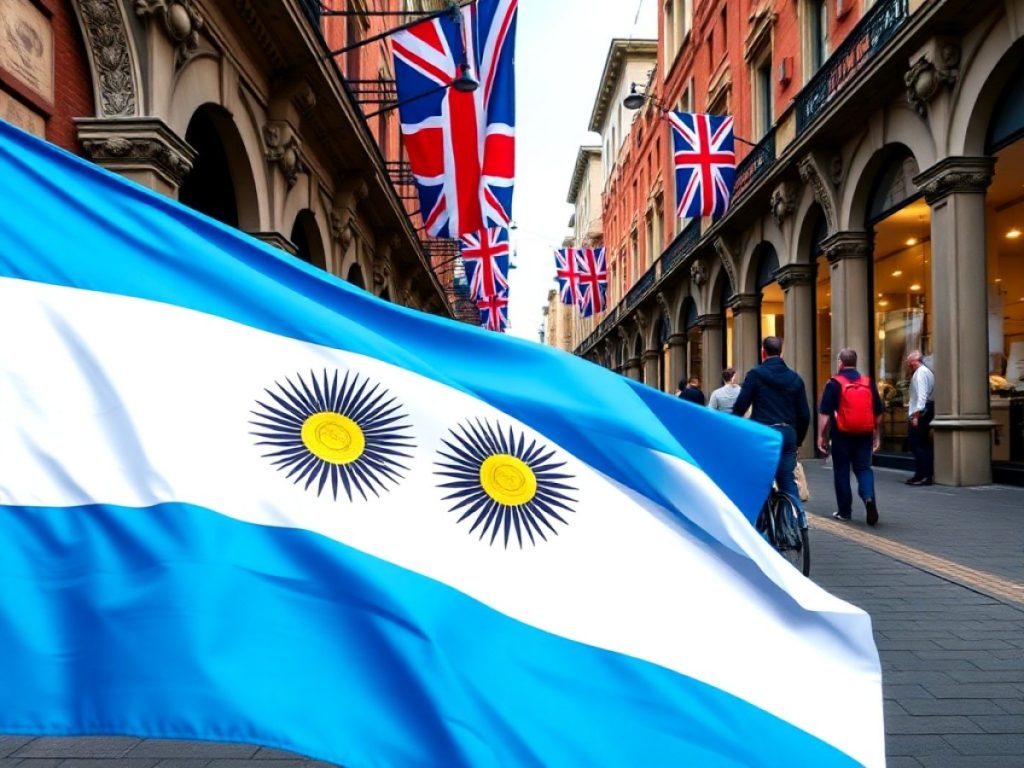
In a bold move to expand its global trade horizons, Argentina has officially applied to join the Comprehensive and Progressive Agreement for Trans-Pacific Partnership (CPTPP). This initiative, announced by Foreign Minister Pablo Quirno during a European tour, marks a potential pivot towards significant economic partnerships, including, notably, with the United Kingdom. This would be the first time since the tumultuous days of the 1982 Falklands War that Argentina and the UK would share a trade agreement framework, signifying a historic thawing of diplomatic and economic relations. Quirno emphasized the magnitude of this step, describing the CPTPP as “one of the broadest, most modern, and dynamic trade agreements in the world.”
However, joining the CPTPP is not a swift process. It can take anywhere from two to five years and requires unanimous agreement from all current members to begin negotiations. The partnership currently includes a diverse group of twelve economies such as Australia, Canada, Japan, and the recent addition of the United Kingdom in 2024. These nations collectively account for about 15% of global goods trade, encompassing roughly 600 million people.
The Strategic Importance of CPTPP for Argentina
Economic and Political Dimensions
President Javier Milei’s administration views the CPTPP as a cornerstone of its trade-opening policy. This policy has already seen Argentina advance a reciprocal trade agreement with the United States and support a deal between Mercosur and the European Union. The potential inclusion in the CPTPP is seen as a counterbalance to recent tariff increases from Washington, offering an alternative platform for international trade.
The Falklands Clause
For Argentina, the inclusion in the CPTPP also carries a significant political weight, particularly concerning the Falkland Islands. The agreement with the UK post-Brexit marks a new phase in their relations, as it would be the first formal trade interaction since the war. Notably, the CPTPP stipulates that any extension to include additional territories under the UK’s domain, such as the Falkland Islands, would require the consensus of all member states.
Challenges and Controversies
Domestic and International Hurdles
The path to CPTPP membership is fraught with challenges. Domestically, the Argentine government has been criticized for not adequately consulting Congress or the business community about the treaty’s implications, a departure from the practices of previous administrations. Internationally, the sovereignty claim over the Falkland Islands remains a contentious issue. The treaty does not allow for reservations under the Vienna Convention, meaning Argentina would need to make special declarations regarding its sovereignty claims.
Impact on the Falkland Islands
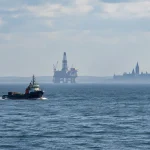
The local government of the Falkland Islands has expressed concerns about the potential economic impacts of these developments. Their economy, heavily reliant on fishing, particularly squid, has already been affected by Brexit, losing preferential access to the European market. The future might hold further changes, especially with potential oil extraction projects near the islands planned for 2028 by companies such as Navitas and Rockhopper.
In summary, Argentina’s bid to join the CPTPP represents a multifaceted strategy to enhance its economic standing and reposition itself in global trade dynamics while navigating complex political landscapes both at home and abroad. As the discussions unfold and diplomatic efforts intensify, the international community watches closely to see how these ambitious moves will reshape relationships and trade patterns in the Pacific Rim and beyond.
Similar Posts
- Argentina Eyes Pacific Pact: UK Trade Partnership Could Reignite Falklands Dispute
- Falklands dispute threatens Argentina’s CPTPP bid: Trans-Pacific trade entry at risk
- Uruguay Signs On: A New Player in the Trans-Pacific Partnership (CPTPP)
- Milei Attends, Lula Absent: Mercosur and EU Seal Historic Deal in Asunción!
- US-EU Trade Deal Sealed: New Agreement Promises Economic Boost!

Gavin Turner is a crypto market analyst with over seven years studying price fluctuations and trading volumes in the United States. He provides detailed reports on sector trends and key indicators to help you anticipate market moves. His rigorous methodology and reliable forecasts guide you in refining your crypto trading strategies.