Amidst the chilly winds of geopolitical discourse, a warm gesture of cooperation blooms in the southern tip of South America. In a recent revelation, Chile’s Defense Minister, Fernando Barros Tocornal, has voiced robust support for burgeoning commercial ties between the Magallanes region and the Falkland Islands. This endorsement comes despite Chile’s long-standing diplomatic backing of Argentina’s sovereignty claims over the Falklands. Speaking during his visit to Punta Arenas, the Minister emphasized that supporting Argentina does not preclude the possibilities of trade with the archipelago. His statements, made public through an interview with Radio Polar, could herald a new chapter in regional trade dynamics, underscoring a complex interplay of allegiance and economic pragmatism.
Understanding the Trade Dynamics
Chile’s southernmost region, Magallanes, has found itself at the center of a potential economic pivot that could connect it more closely with the Falkland Islands. Minister Barros underlined the “right to trade” as a prerogative of the Magallanes community, suggesting no legal hurdles in pursuing such engagements. The move could significantly influence the regional economy, primarily driven by the need for diversified economic activities beyond traditional sectors.

Chile’s Diplomatic Balancing Act
While the minister’s comments promote economic interactions, they also delicately navigate the nuanced diplomatic landscape. Chile continues to recognize Argentina’s territorial claims formally. This stance was reiterated during a joint declaration signed with Argentine President Javier Milei, emphasizing support for Argentina’s sovereign rights over not only the Falklands but also South Georgia and the South Sandwich Islands. However, Barros’s remarks reveal a nuanced approach that respects historical complexities, including the British administration of the islands since 1833, barring the brief interlude in 1982.
Legal and Political Considerations
The development of trade ties might raise questions about its alignment with regional commitments. Barros noted that while political commitments exist within frameworks like Mercosur and Unasur, they are not legally binding, offering a pathway for economic initiatives. However, contentious issues such as oil and mining exploration require careful consideration, hinting at future assessments that respect both regional dynamics and environmental concerns.
Prospective Maritime Link
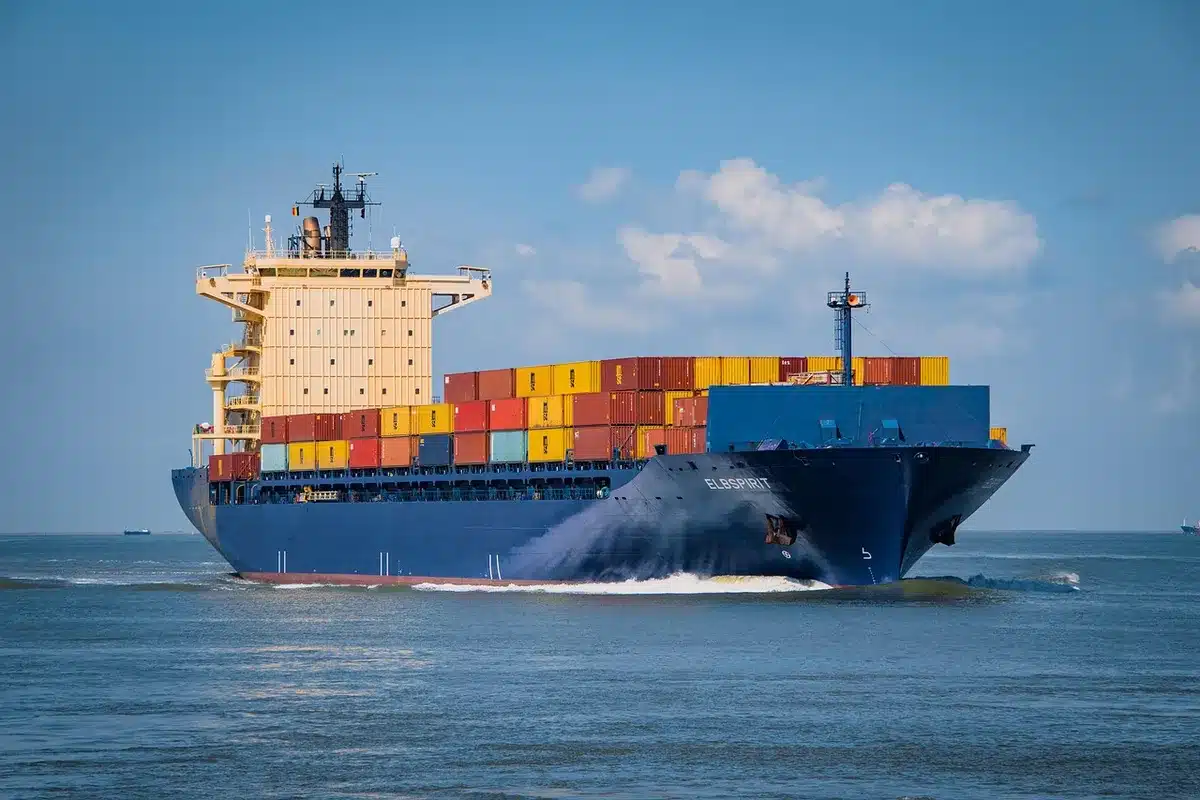
The discourse on increased trade is not just theoretical. Concrete steps are being taken to establish a maritime link between Punta Arenas and Stanley, the capital of the Falkland Islands. This initiative, propelled by an agreement between the Falkland Islands Development Corporation and Easter Island Naviera, aims to facilitate direct sea routes that could serve as vital economic lifelines for the islands, potentially reducing their reliance on distant Montevideo for supplies.
Response from Argentina
The evolving trade narrative has been met with mixed reactions in Argentina. With numerous administrative and legal proceedings concerning hydrocarbon exploration near the archipelago, the Argentine government maintains a cautious stance. The response underscores the delicate balance of regional interests that must be navigated as these new economic activities unfold.
Community Impact and Forward Look
The potential economic benefits of a closer relationship between Magallanes and the Falkland Islands extend beyond mere trade figures. They could foster a greater sense of community and shared future among the residents of these remote regions. As the first voyage of the new sea link nears, all eyes will be on this southern channel, watching how it might shift the currents of regional cooperation and economic development in a landscape marked by historical disputes and contemporary opportunities.
In conclusion, while the winds of change are subtle, they hold the promise of weaving a tapestry of cooperation in a region historically known for its divisiveness. How this will unfold remains watched by observers, both local and international, as they anticipate the economic and diplomatic ripples from these developments.
Similar Posts
- Argentina Accuses Chile: No Support for Falklands’ Oil Logistics
- Argentina Eyes Pacific Pact: UK Trade Partnership Could Reignite Falklands Dispute
- Argentina Eyes Historic Trade Pact With UK: First Major Link Since 1982!
- Falklands Delegation Heads to Uruguay for Construction Buys: Cost Concerns Drive the Mission
- UK Government Endorses Falkland Islands Trade: New Guidelines Support Businesses

Gavin Turner is a crypto market analyst with over seven years studying price fluctuations and trading volumes in the United States. He provides detailed reports on sector trends and key indicators to help you anticipate market moves. His rigorous methodology and reliable forecasts guide you in refining your crypto trading strategies.