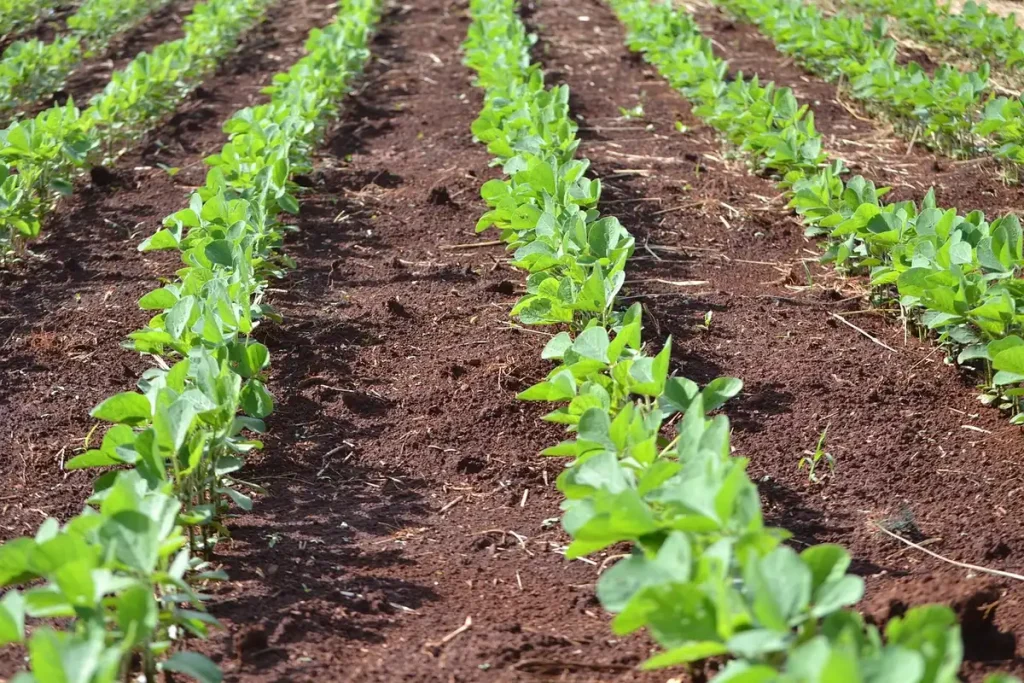
As the agricultural wheels turn in Brazil, a stunning projection emerges for the 2025/26 crop year. The country is on the verge of harvesting a groundbreaking 361.7 million metric tons of grains and fibers. This figure not only surpasses previous records but also illustrates a significant 2.6% increase from the last season, hinting at an agricultural sector that is robust and expanding. The increase is largely attributed to notable advancements in the production of soybeans, corn, and cotton. However, not all crops are experiencing this boon—rice, beans, and wheat are seeing a downturn in their production figures.
This blend of triumph and challenge paints a complex picture of Brazil’s agricultural landscape, where technological advancements and strategic farming practices meet the realities of changing climate conditions and global market demands. As we delve deeper into the specifics of this agricultural feat, it’s clear that Brazil’s role as a global food supplier is becoming increasingly pivotal.
Leading Crops Driving Growth
Soybeans: The Star Performer
– Forecasted production: 180.4 million metric tons, marking the highest in recorded history
– Increase from previous cycle: 5.2%
– Factors contributing to growth: 2.7% expansion in planted area and a 2.5% increase in yields
– Export projections: A record 116.2 million metric tons
Corn: Consistent Contributor
– Total estimated production: 144 million metric tons
– Record yield for the first crop: 7,191 kg per hectare, up by 8.8%
– Second crop projection: 112.1 million metric tons
– Third crop forecast: A decrease of 20.1% to 2.39 million metric tons
Cotton: High Productivity
– Production forecast for 2025/26: 4.14 million metric tons, the highest in history
– Despite a 3.2% decline in planted area, productivity is expected to increase by 4.9%
– Record yield: 2,053 kg of lint per hectare
Challenges in Other Crops
While some crops are thriving, others face setbacks:
– Beans: Production is expected to fall by 3.6% to 2.95 million metric tons
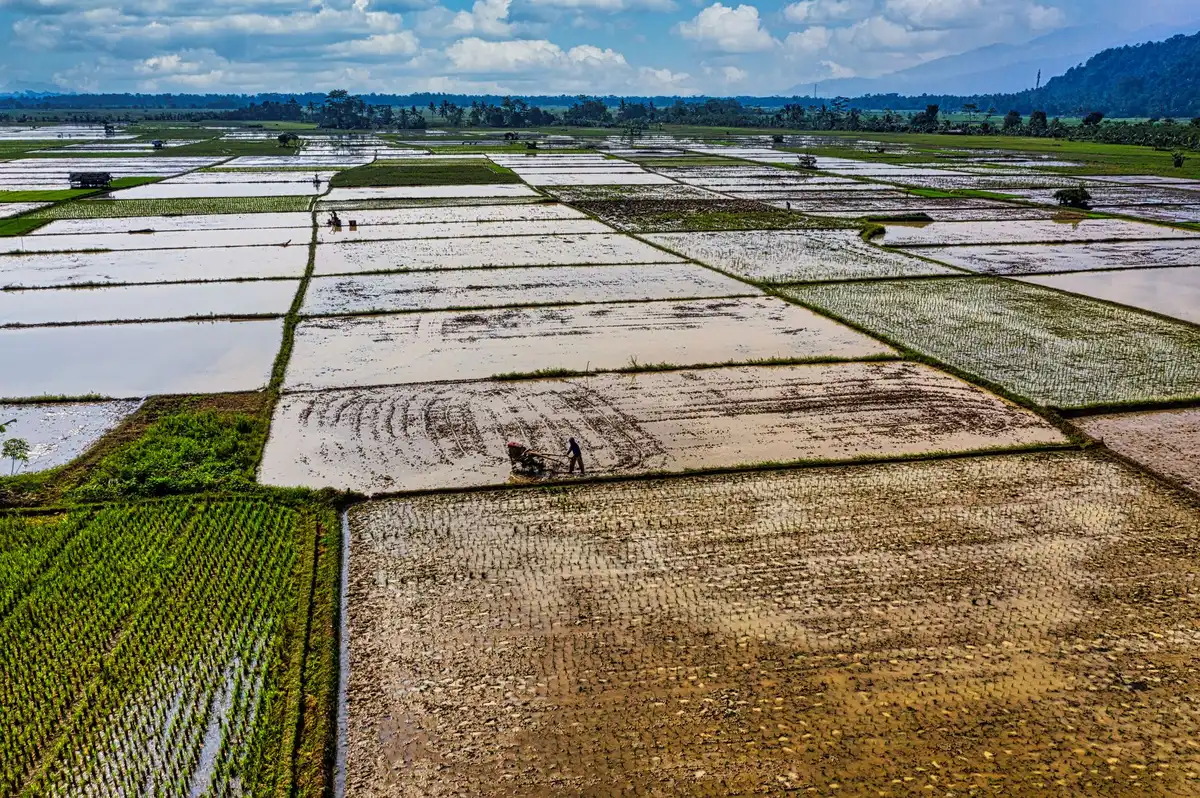
– Rice: Anticipated decline of 13.2% to 11.08 million metric tons
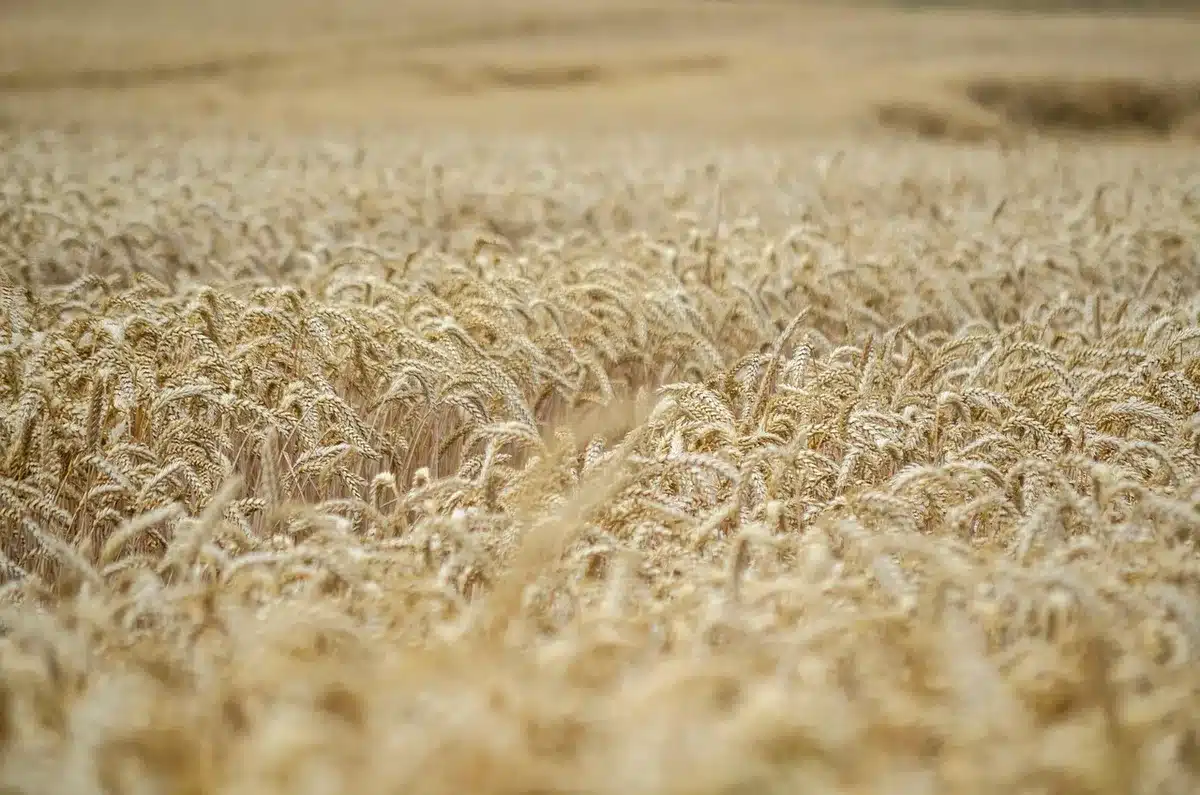
– Wheat: Significant reduction in production by 27.1% to 5.74 million metric tons, due to a 21.2% decrease in planted area and lower yields
Implications for Imports and Exports
The shift in production volumes has direct implications for Brazil’s trade balances. Particularly for wheat, with domestic production declining, imports are projected to increase to 7.06 million metric tons, predominantly sourced from Argentina. This adjustment in import and export dynamics underscores Brazil’s strategic responses to domestic supply challenges and its pivotal role in the international grain market.
In summary, Brazil’s agricultural sector is witnessing a period of significant growth and transformation. The record-setting production figures for key crops like soybeans, corn, and cotton highlight the country’s agricultural prowess and its critical position in meeting global food demands. Conversely, the challenges faced by other crops emphasize the need for continued innovation and adaptation strategies within the sector. As Brazil navigates these complexities, its agricultural trajectory remains a key watchpoint for both market analysts and global economies.
Similar Posts
- Argentina Slashes Export Duties: Impact Shakes Chicago Board of Trade!
- Trump Disrupts Lula’s Trade Surplus Celebration with Iran: Tensions Rise!
- Brazil Coffee Crisis: Exports Plunge 21% Despite Record Harvest Predictions
- Paraguay’s Trade Deficit Hits $162M in January: Exports See Sharp Decline
- Brazil Secures Export Deals with Philippines, Guatemala, Nicaragua: Trade Barriers Lifted!

Gavin Turner is a crypto market analyst with over seven years studying price fluctuations and trading volumes in the United States. He provides detailed reports on sector trends and key indicators to help you anticipate market moves. His rigorous methodology and reliable forecasts guide you in refining your crypto trading strategies.