Tensions over an offshore oil project near the Falkland Islands have suddenly turned a long-standing sovereignty dispute into a potential roadblock for Argentina’s push to join a major Pacific trade agreement. What seemed like a distant diplomatic spat is now playing out in trade halls and parliamentary benches, with London signaling it could use its clout inside the trans-Pacific pact to complicate Buenos Aires’s application.
The dispute has pushed lawmakers, ministers and energy firms into an uneasy dance: legal challenges at sea, protectionist countermeasures on land, and a diplomatic standoff that could reshape regional trade ties if one member decides to press the pause button.
How London’s leverage could slow Argentina’s accession
Conservative MPs in the House of Commons prompted public discussion about whether the United Kingdom might block Argentina’s bid to join the Comprehensive and Progressive Agreement for Trans-Pacific Partnership (CPTPP). The pact operates by consensus: any member can halt progress at key moments, including the start of accession talks and the final invitation to join.
Overseas Territories Minister Uma Kumaran declined to outline specific positions in public briefings, saying the UK typically does not comment on accession negotiations or speculate on sanctions. Still, she warned that the government would weigh “all appropriate measures.” Conservative MP Wendy Morton explicitly urged preparing to oppose Argentina’s application should threats over the islands persist. The UK government has framed Buenos Aires’s recent behavior as raising “very serious questions about its reliability as a partner.”
The legal and energy flashpoints
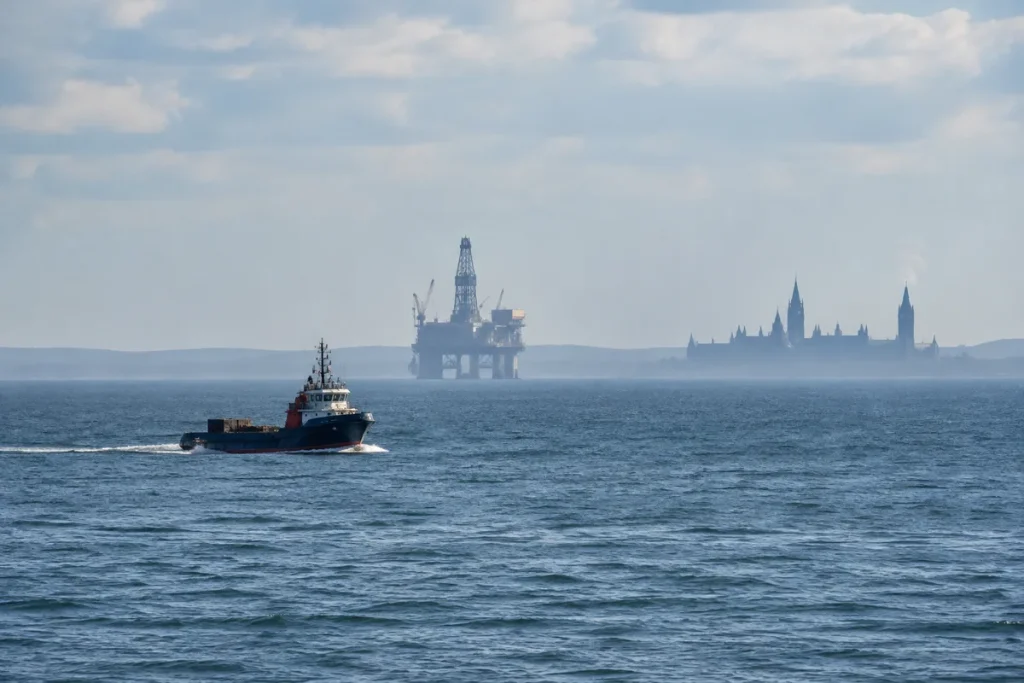
Argentina has launched a legal attempt to stop the Sea Lion oil project, asking the International Tribunal for the Law of the Sea (ITLOS) to order a halt. This came after the UK rejected Argentina’s claims on October 11 and refused the protective measures Argentina sought. ITLOS has yet to schedule a hearing.
Meanwhile, the UK announced it would activate legislation to shield British companies and citizens from having to obey Argentine sanctions. Media reports suggest such protections could be implemented before year-end. In practical terms, the dispute has already influenced business decisions: Navitas Petroleum, the operator of the Sea Lion development, said it is replacing two contractors that withdrew after Argentine pressure and welcomed UK backing.

Key developments at a glance
– Argentina applied to join the CPTPP on June 2.
– The UK publicly signaled it might slow or block accession if tensions continue.
– Argentina has taken the issue to ITLOS; no hearing date has been set.
– London plans to use trading-interest protections to limit the reach of Argentine measures on British actors.
– Navitas is re-contracting after firms pulled out under pressure.
Who’s in the pact — and why unanimity matters
The CPTPP gathers economies across the Pacific and Latin America. Current members include Australia, Brunei, Canada, Chile, Japan, Malaysia, Mexico, New Zealand, Peru, Singapore, Vietnam and the United Kingdom — the only country to have joined since the pact’s creation. Because accession requires every member’s agreement, any one government can stall or block Argentina’s entry.
Uruguay is already further down the accession path: it applied in December 2022 and entered formal negotiations in November 2025, operating in a working group chaired by Chile. That separate trajectory has added a layer of complexity in South American trade discussions and in relations within Mercosur.
Trade stakes for Argentina and potential losses
Buenos Aires argues it has strong commercial reasons to join. Argentina’s foreign ministry reported exports to CPTPP members totaled US$16.329 billion in 2025, producing a trade surplus of US$8.93 billion. Membership would offer tariff preferences and common regulatory rules that could enhance access and reduce costs for exporters.
Without accession, Argentine companies can still sell to member countries, but they would be excluded from the pact’s preferential tariffs and harmonized standards that make market access easier and cheaper.
Regional politics and Mercosur tensions
The accession bids by Argentina and Uruguay have sparked unease within Mercosur. Brazil in particular has questioned these countries’ moves away from coordinated, bloc-level negotiations with external partners. That friction underscores how national strategies on trade are colliding with longer-standing regional frameworks.
Argentine officials reject the idea that their government is an unreliable trade partner. Foreign Minister Pablo Quirno has countered that “reliability is shown by honouring the international commitments one has undertaken,” accusing the UK of exploiting disputed resources in a way that breaches UN calls for negotiation between the parties.
What this means for businesses and investors
Companies with interests in the South Atlantic and in Argentine exports face a shifting landscape. Potential impacts include:
– Disrupted supply chains if sanctions or countermeasures expand.
– Contract uncertainty for firms involved in the Sea Lion project and associated services.
– Regulatory unpredictability for exporters hoping to benefit from CPTPP provisions.
Some firms have already reacted: contractors pulled out of Sea Lion under pressure, prompting the operator to seek replacements. The UK’s planned protections for its nationals and companies aim to limit the damage of Argentine measures, but they also raise the prospect of legal and commercial tussles across jurisdictions.
Next diplomatic steps and unresolved questions
Several tracks remain live at the same time: accession discussions within the CPTPP, the ITLOS petition and any further measures the UK or Argentina might announce. Important open questions include:
– Whether any CPTPP member will formally block or delay Argentina’s accession and on what grounds.
– When ITLOS will set hearings and what interim measures, if any, it may impose.
– How Mercosur partners will navigate competing national approaches to trade negotiations.
Similar Posts
- Argentina Eyes Pacific Pact: UK Trade Partnership Could Reignite Falklands Dispute
- Argentina Eyes Historic Trade Pact With UK: First Major Link Since 1982!
- Uruguay Signs On: A New Player in the Trans-Pacific Partnership (CPTPP)
- Mercosur-Singapore Trade Deal Hits Argentina’s Congress: What’s Next for Global Trade?
- UK Government Endorses Falkland Islands Trade: New Guidelines Support Businesses

Gavin Turner is a crypto market analyst with over seven years studying price fluctuations and trading volumes in the United States. He provides detailed reports on sector trends and key indicators to help you anticipate market moves. His rigorous methodology and reliable forecasts guide you in refining your crypto trading strategies.