Financial markets woke to a noticeable shift after Tuesday’s midterm elections in the United States. Investors quickly re-priced risk and safe-haven assets as news filtered through that Democrats had captured both chambers of Congress, a development that changes the political landscape for the final two years of President Trump’s term. The immediate result: the dollar slipped while gold climbed sharply, and traders began recalibrating bets on rates, equities and currencies.
Below, a concise look at how different asset classes reacted and what analysts are saying about the likely near-term fallout for markets.
Where traders moved first
Key moves in currencies, yields and commodities
- Gold popped more than 2%, crossing the US$4,000-per-ounce mark as investors sought protection from political uncertainty.
- US dollar weakened against most major peers, with the dollar index hovering around 101.50 and trading in negative territory on the session.
- US 10-year Treasury yield fell under 4.95%, reflecting a quick demand for duration amid the risk reallocation.
- Equity futures were mixed, signaling uneven sentiment across sectors and bourses.
Currency detail: winners and losers
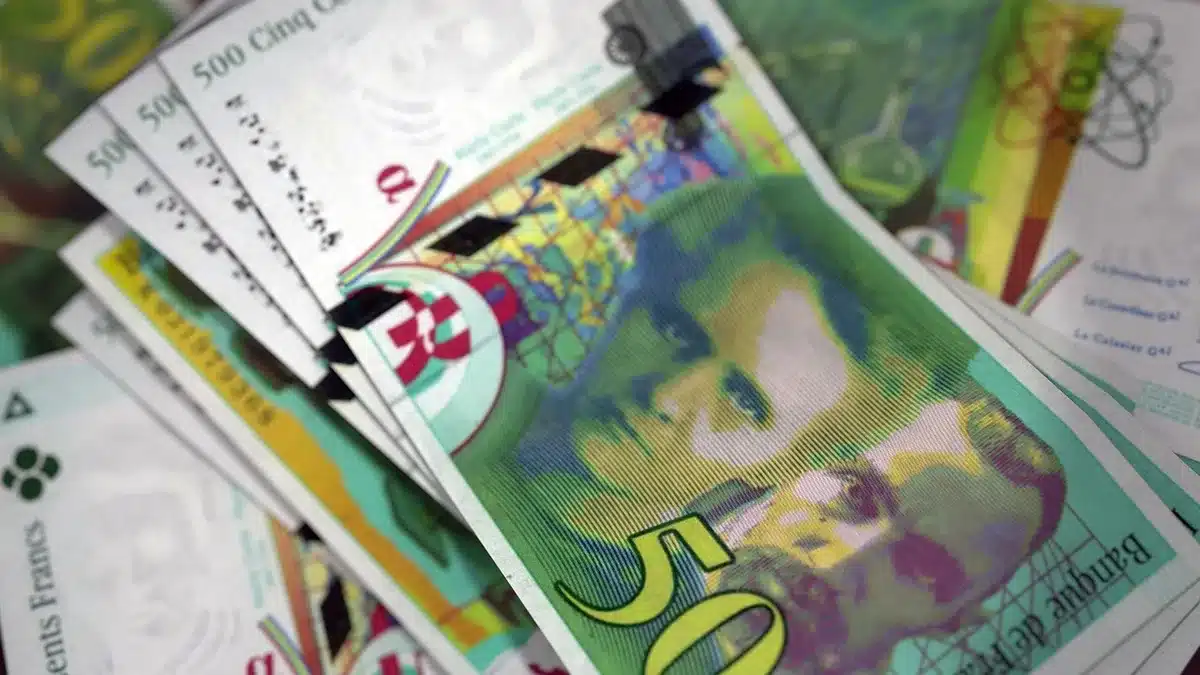
The dollar’s decline was uneven. Its steepest short-term drop came against the Swiss franc, which appreciated roughly 0.4% on the session. The euro briefly climbed above US$1.1250 — a two-week high — before slipping back toward US$1.1230. Sterling continued its six-day advance, trading above US$1.3450 as the market priced in an anticipated Bank of England rate increase later this week.
Why equities might feel the pressure
Analysts at a major German bank cautioned that US stocks, and the Nasdaq in particular, could come under selling pressure in the hours following the vote. Their reasoning links the dollar’s previous strength to capital inflows tied to equities; if those inflows reverse or stall, dollar weakness may become more pronounced and exert additional strain on equity valuations.
Points analysts highlighted
- Equity-linked capital flows have been a tailwind for the dollar; a drop in those flows can accelerate currency weakness.
- Tech-heavy indices could be vulnerable given their sensitivity to changes in funding conditions and investor risk appetite.
- In the longer run, a more constructive tone in US political debate — while currently a remote scenario — could gradually lower the political risk premium built into asset prices.
Political noise and market psychology
Beyond raw numbers, politics itself shaped headlines. President Trump told The Wall Street Journal that the ongoing conflict with Iran played a role in the Republican losses and said he does not plan to reshuffle his administration’s personnel in response. Markets digest comments like these not only for their policy implications, but for how they affect investor confidence and the probability of future legislative action.
What investors are watching next
- Short-term: intraday volatility in FX and equity markets as investors reassess positions.
- Rates: whether Treasury yields stabilize or continue to decline as demand for safe assets rises.
- Central banks: the Bank of England’s imminent decision, which appears to have supported sterling moves.
- Political developments: any signs of bipartisan cooperation or escalating geopolitical tensions that could alter risk premiums.
Similar Posts
- Ray Dalio Recommends: Invest 15% in Bitcoin or Gold to Diversify!
- Brazil Real Plunges 8%: São Paulo Stocks Crash After Lula Win
- Bolsonaro First-Round Win Boosts São Paulo Stocks 8%: Real Strengthens
- Argentine Assets Plunge Amid Global Volatility: Country Risk Nears 600 Points
- Argentina’s Country Risk Plummets to 8-Year Low: Rating Upgrades Boost Dollar Bonds

Gavin Turner is a crypto market analyst with over seven years studying price fluctuations and trading volumes in the United States. He provides detailed reports on sector trends and key indicators to help you anticipate market moves. His rigorous methodology and reliable forecasts guide you in refining your crypto trading strategies.