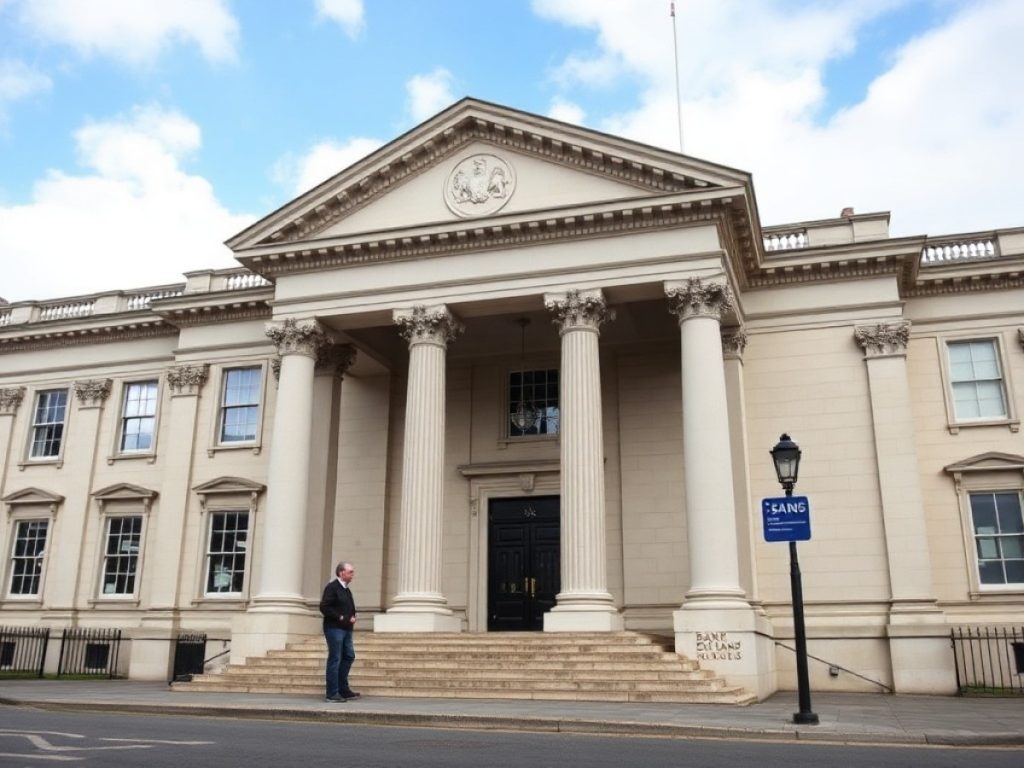
In a recent move that has caught the attention of economists and investors alike, the Bank of England (BoE) has decided to maintain its Bank Rate at 3.75%. This decision came during their latest Monetary Policy Committee (MPC) meeting, where a majority of 7 out of 9 members voted in favor of holding the rate steady. The decision reflects the complex interplay of falling inflation rates, currently at 2.8%, against a backdrop of ongoing global energy volatility, largely due to geopolitical tensions in the Middle East.
This decision showcases the delicate balancing act central banks around the world are facing in today’s interconnected economic environment. As energy prices swing and inflation targets are chased, the Bank of England’s latest policy stance offers a deep dive into the rationale behind their monetary strategies and the potential impacts on the UK economy.
Understanding the Monetary Policy Standstill
During the MPC’s recent assembly, two members did push for an increase in the Bank Rate by 0.25 percentage points, aiming for a 4% rate. However, the prevailing consensus to hold the rate steady was driven by several key factors:
– **Recent Decrease in Global Energy Prices**: Despite a drop in energy prices since their last meeting, largely influenced by events in the Middle East, prices are still higher than pre-conflict levels and remain unpredictable.
– **Inflation Targeting Amidst Economic Uncertainty**: The MPC’s primary focus remains on ensuring that economic adjustments to the fluctuating energy prices align with achieving a sustainable 2% inflation target. The approach and intensity of monetary policies are finely tuned based on the duration and magnitude of these economic shocks and their broader transmission through the economy.
Analyzing Economic Indicators
The MPC’s decision-making is informed by a variety of economic indicators, key among them being inflation trends and labor market conditions:
– **Inflation Trends**: The Consumer Price Index (CPI) inflation has seen a reduction to 2.8% since their prior meeting. However, it is anticipated to rise later this year as the ramifications of elevated energy prices continue to permeate.
– **Labor Market and Wage Pressures**: The labor market is showing signs of relaxation, which could help mitigate inflationary pressures. However, there persists a risk of significant second-round effects on price and wage settings, which could necessitate a more stringent policy response if higher energy prices linger.
Future Projections and Policy Adjustments
The BoE has emphasized its commitment to closely monitoring the evolving situation in the Middle East and its potential repercussions on the UK economy. Key considerations for future policy adjustments include:
– **Interest Rate Levels**: Interest rates faced by households and businesses are currently higher than those before the onset of the conflict, which is expected to help temper inflation over time.
– **Economic Outlook and Risks**: The MPC is taking a cautious approach by considering all risks to the economic outlook, which supports their decision to keep the Bank Rate unchanged at this juncture.
As the global landscape continues to evolve, the Bank of England remains vigilant, ready to adjust its policies in response to new economic data and global events. This proactive stance is crucial in navigating the choppy waters of today’s global economy, ensuring that the UK remains on a path to stable and sustainable growth.
Similar Posts
- Uruguay Slashes Policy Rate to 5.75% After Shock: Inflation Remains Below Target!
- Brazil’s Central Bank Slashes Selic Rate to 14.75%: Begins Easing Cycle Amid Economic Shifts
- Bank of England Freezes Interest Rates: Holds Steady at 3.75%!
- Brazil’s Inflation Hits 4.39% in April: Spike Driven by Rising Food and Drug Prices
- Brazil’s Central Bank Slashes Selic Rate to 14.50%: Key Move Amidst Economic Shifts

Gavin Turner is a crypto market analyst with over seven years studying price fluctuations and trading volumes in the United States. He provides detailed reports on sector trends and key indicators to help you anticipate market moves. His rigorous methodology and reliable forecasts guide you in refining your crypto trading strategies.