
Argentina’s streets feel quieter in some ways and louder in others. Government offices operate with a fraction of their former staff, while the sidewalks hum with makeshift businesses and people scavenging for a living. What looks to some like a rapid economic recovery has been built on a tectonic social shift — one that has remade whole swathes of the workforce and reshaped Argentina’s role on the international stage.
Behind the headlines and billboards, a policy experiment is unfolding: dramatic cuts, new bids for foreign investment, and a reorientation toward commodity exports. The result is a nation that can boast lower inflation and renewed interest from global capital — yet also records rising informal work, mounting household debt, and the erosion of public-sector institutions that once anchored middle-class stability. Read on to see how the numbers add up and why the political stakes extend well beyond Buenos Aires.
A fast friendship with foreign powers
Since taking office, President Javier Milei has been embraced by elements of the global right. He is frequently mentioned alongside leaders who favor sweeping market reforms, and his rhetoric and policies have attracted praise from across the hemisphere. In the United States, he has even been singled out by former President Donald Trump, who has publicly called him a favored ally and backed Argentina with extraordinary financial assistance at a critical moment.
In practical terms, that support translated into a $20 billion currency swap extended to Argentina on the eve of legislative elections, a liquidity lifeline that helped stabilize the peso and shore up Milei’s political fortunes. Meanwhile, right-leaning figures elsewhere in Latin America have pointed to his agenda as a model to emulate, placing Argentina at the center of a budding geopolitical alignment that some strategists describe as an effort to build a pro-U.S. bloc across the continent.
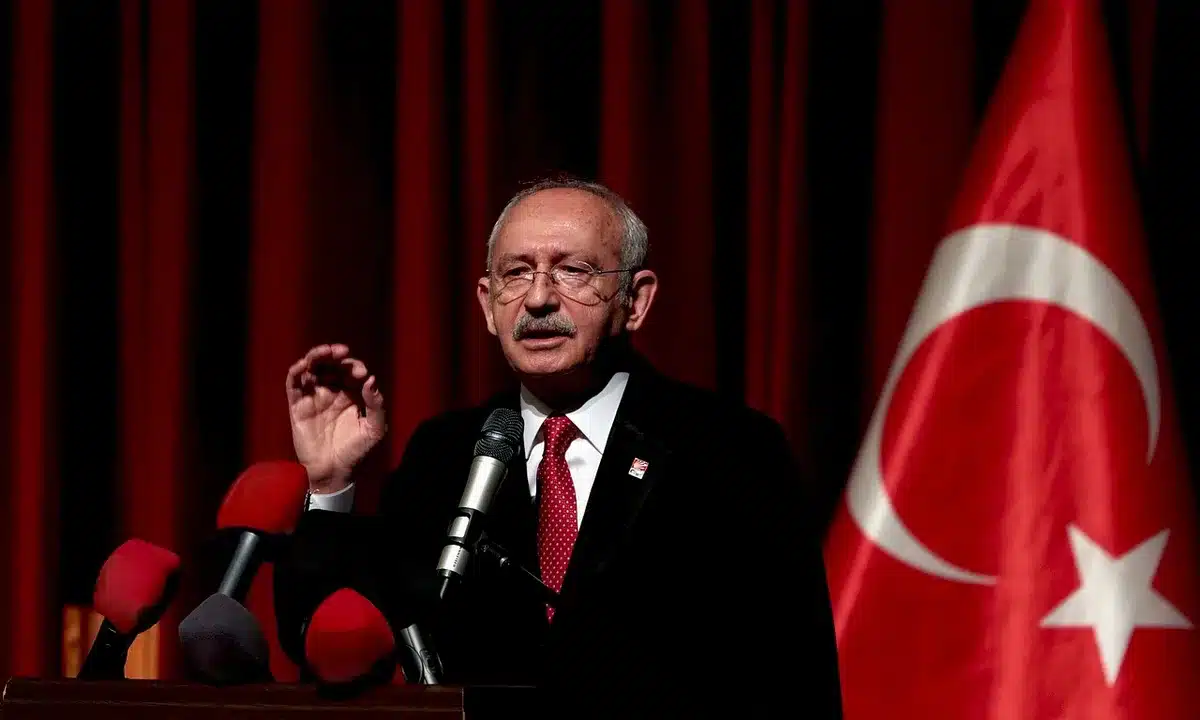
The “Chainsaw” overhaul: what was done and why
Milei’s 2022 “Chainsaw Plan” (Plan Motosierra) was pitched as an emergency cure for long-standing economic ills — runaway inflation and chronic deficits — but its scope went far beyond price stabilization. The policy package aimed to drastically reduce the size and reach of the state and to redirect resources toward private investment and commodity production.
Key actions included:
- Cutting the number of ministries roughly in half and consolidating central government functions.
- Freezing many public works projects and slashing welfare spending.
- Dismissal of tens of thousands of public employees — approximately 51,218 federal workers plus an additional 23,000 from state-run companies.
- Offering tax incentives and regulatory openings to attract foreign capital in mining, lithium extraction, and hydrocarbons.
These measures quickly changed Argentina’s fiscal accounts. Long-standing deficits flipped to surpluses, and after years of hyperinflation, headline inflation fell from roughly 250% to about 30%. Those statistics become the data points most cited by supporters who argue that the plan rescued Argentina from economic collapse.
Where growth has come from — and its limits
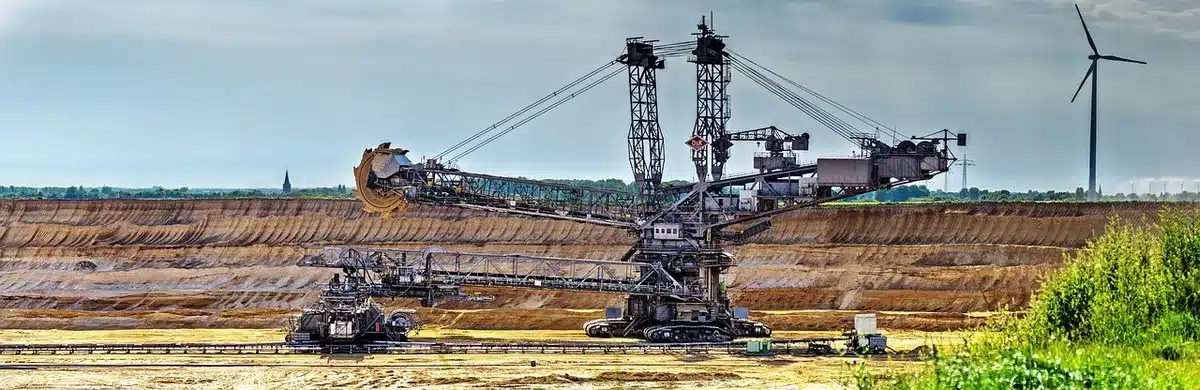
A substantial portion of Argentina’s recent growth has been resource-driven. Investments in the country’s lithium reserves and renewed activity in Patagonian oil and gas have drawn international interest and helped bring capital inflows that support a stronger currency and export revenues.
Yet the nature of this growth matters. Commodity extraction tends to be capital-intensive rather than labor-intensive, which means it produces significant revenue without large-scale job creation. That reality has shaped the country’s labor market in ways that austerity alone could not.
Public services and scientific capacity under pressure
Budget cuts have not spared research and public science institutions. Argentina’s national science agency (CONICET), for example, has lost more than 10% of its scientists and technicians — predominantly early-career researchers in biology, geology, agronomy, and physics — who have left for better-paid positions in the private sector or moved abroad. The broader effect is a weakening of long-term productive capacity and innovation potential, even as short-term macroeconomic indicators improve.
Informality as the new employment norm
One of the most dramatic social changes is the surge in informal labor. As public-sector positions disappeared and private-sector growth skewed toward informal or precarious jobs, many Argentines pivoted to work that operates outside formal protections.
Typical informal activities include:
- Scavenging recyclable materials ahead of city trash collections and selling them at depots.
- Working as street vendors, ride-hailing drivers, domestic workers, or couriers delivering meals and medicines.
- Taking short-term, poorly regulated jobs in security, low-cost private health services, and private education providers.
Estimates suggest that 40–50% of the workforce now depends on precarious forms of employment. Young people are especially affected: nearly 70% of Argentines aged 18 to 25 are reported to be working in informal roles, with many abandoning hopes for stable public jobs. The result is a growing class of workers without labor contracts, unemployment insurance, or pension contributions — a structural shift with long-term implications for social mobility and household resilience.
Household finances under strain
For many families, informal work has been combined with a rapid expansion of consumer credit options. Fintech apps, digital wallets, emergency credit cards, and neighborhood moneylenders have proliferated, enabling households to smooth consumption in the short term but accumulating risk in the process.
Key indicators of financial fragility:
- Nearly six million Argentines are more than 90 days behind on debt payments.
- Delinquency rates have climbed sharply, placing strain on bank balance sheets and small lenders.
- Central bank officials face the risk of a wave of petty bankruptcies among already vulnerable households.
These pressures partly explain how headline figures like lower annual inflation can coexist with growing poverty and insecurity at street level. Urban poverty climbed to 32.3% by early 2026, with extreme deprivation affecting more than 7% of the population — trends that are partly obscured by headline macroeconomic improvements.
Politics, symbolism, and the public mood
Milei’s government has been adept at combining nationalist symbolism with market-oriented reforms. Public messaging includes assertive claims over the South Atlantic — billboards asserting Argentina’s sovereignty over the Malvinas/Falkland Islands have appeared alongside announcements about newfound hydrocarbon prospects.
This blending of populist nationalism and liberalization has crafted a narrative that appeals to certain constituencies: those who favor a smaller state, those energized by sovereignty rhetoric, and foreign investors eyeing Argentina’s resource base. At the same time, millions of ordinary citizens experience the reforms through wage cuts, disappearing services, and precarious jobs.
The international role and strategic alignment
Beyond domestic politics, Argentina’s pivot matters for regional dynamics. Milei is viewed by some U.S. policymakers as an anchor for a U.S.-friendly hemisphere, part of a broader strategy to secure access to resources and cultivate aligned governments. That geopolitical aspect has given Milei leverage abroad, but it also ties domestic policy success to external political winds — a vulnerability if support wanes.
What’s at stake as elections approach
With national elections scheduled for 2027, the endurance of Milei’s agenda is uncertain. His government’s early successes in taming inflation and attracting capital are counterbalanced by rising informality, social hardship, and mounting household debt. Whether those trade-offs will translate into electoral resilience depends on a complex mix of macroeconomic performance, voter tolerance for austerity, and the presence or absence of external financial backstops.
Observers are watching several variables closely:
- Whether commodity-driven revenues and foreign investment can sustain growth without creating jobs at scale.
- The trajectory of household debt and defaults, and whether financial distress will spill into broader instability.
- The political durability of Milei’s base in the face of growing numbers of voters experiencing economic decline.
Similar Posts
- IMF Unlocks $1 Billion for Argentina: Approval of Second Program Review Announced!
- Argentina’s Struggle Under Milei: The Guardian Exposes Economic Hardships
- Argentine Economy Crisis: Minister Seeks Urgent Aid from Bessent and Georgieva
- Milei Promises US Free Trade Deal, Challenges Mercosur: Unveils Plans at SRA
- Brazil’s Exports Surge as Argentina’s Economy Rebounds: A Cross-Border Success Story

Gavin Turner is a crypto market analyst with over seven years studying price fluctuations and trading volumes in the United States. He provides detailed reports on sector trends and key indicators to help you anticipate market moves. His rigorous methodology and reliable forecasts guide you in refining your crypto trading strategies.