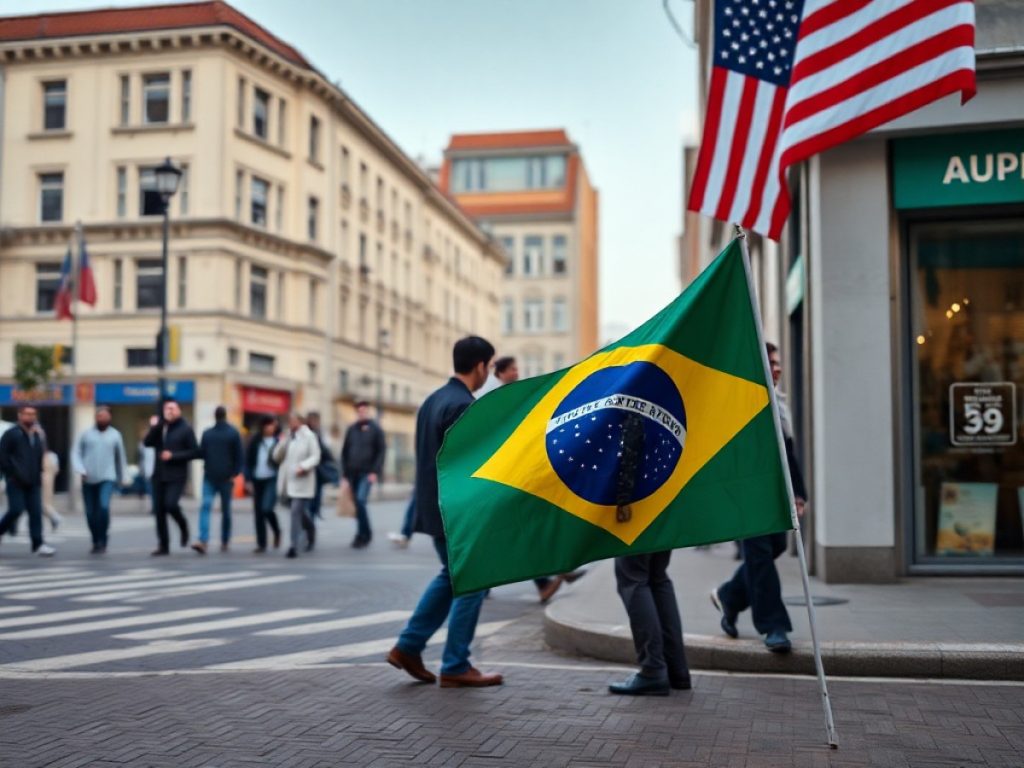
In the rising tide of global politics, a storm brews between Brazil and the United States, spotlighting a series of diplomatic tensions that could influence the forthcoming presidential elections in Brazil. At the heart of these tensions is the recent revocation of the visa for Brazil’s ambassador to the United States, Maria Luiza Ribeiro Viotti. This move by the U.S. is seen by Brazil as an overt attempt to meddle in its electoral process scheduled for October 4. The unfolding saga not only complicates the diplomatic waters but also brings into question the integrity of international relations between these two powerhouse nations.
Diplomatic Sparks Fly
The tension escalated when the U.S. unexpectedly revoked the diplomatic visa of Brazil’s ambassador, a move that was quickly framed by Brazil as a calculated attempt to influence its elections. This decision is not seen in isolation but as part of a broader pattern of what Brazil perceives as aggressive actions by the U.S. The Brazilian government has openly criticized this act, suggesting that it disrupts the longstanding bilateral relations founded on mutual respect.
Sequence of Events
- The visa revocation came shortly after Brazil denied visas to two U.S. officials purportedly coming to assess the nation’s electoral integrity.
- Brazil retaliated by accusing these officials of intending to undermine the credibility of its voting process.
- This back-and-forth has stirred public and political debates on both sides, with implications for international diplomatic norms.
Counteractions and Accusations
The U.S. State Department has portrayed the visa revocation as a reciprocal measure, prompted by delays and denials of visas to its officials. They emphasize that Ambassador Viotti was not declared persona non grata nor expelled, suggesting that her visa could be reinstated if Brazil expedites the approval process.
Broader Sanctions and Tariffs
The conflict is further complicated by economic sanctions:
- The U.S. previously imposed hefty tariffs on Brazilian goods, citing unfair competition and labor issues.
- Magnitsky Act sanctions against Brazilian officials, including Supreme Federal Court justices, remain a point of contention.
Electoral Implications
With the presidential election looming, where incumbent Lula seeks a fourth term against Senator Flávio Bolsonaro, these diplomatic scuffles have spilled over into the electoral arena. Polls show a tight race, and any external influence, perceived or real, could tip the scales in an already heated contest.
The Candidates’ Stance
- Lula has expressed desires to have sanctions lifted, a topic that featured prominently during his recent White House visit.
- Flávio Bolsonaro, meanwhile, has capitalized on nationalistic sentiments, potentially leveraging the diplomatic rift to bolster his campaign.
In the intricate dance of diplomacy and politics, the unfolding events between Brazil and the U.S. underscore a delicate balance of power, respect, and mutual interests. As both nations navigate this turbulent phase, the eyes of the world remain keenly focused on how these tensions will unfold and what they will mean for the future of international relations and democratic integrity in the global arena.
Similar Posts
- Lula and Trump Advance at Malaysian Summit: Key Developments Unveiled
- Lula Clashes With US Over Tariffs: Claims Brazil Faces Trade Deficit!
- Lula Blasts Trump on Brazil Tariffs: Accuses Bolsonaro of Betrayal
- Trump Slashes 40% Tariffs on 212 Brazilian Goods: Major Trade Relief Announced!
- Trump Disrupts Lula’s Trade Surplus Celebration with Iran: Tensions Rise!

Gavin Turner is a crypto market analyst with over seven years studying price fluctuations and trading volumes in the United States. He provides detailed reports on sector trends and key indicators to help you anticipate market moves. His rigorous methodology and reliable forecasts guide you in refining your crypto trading strategies.