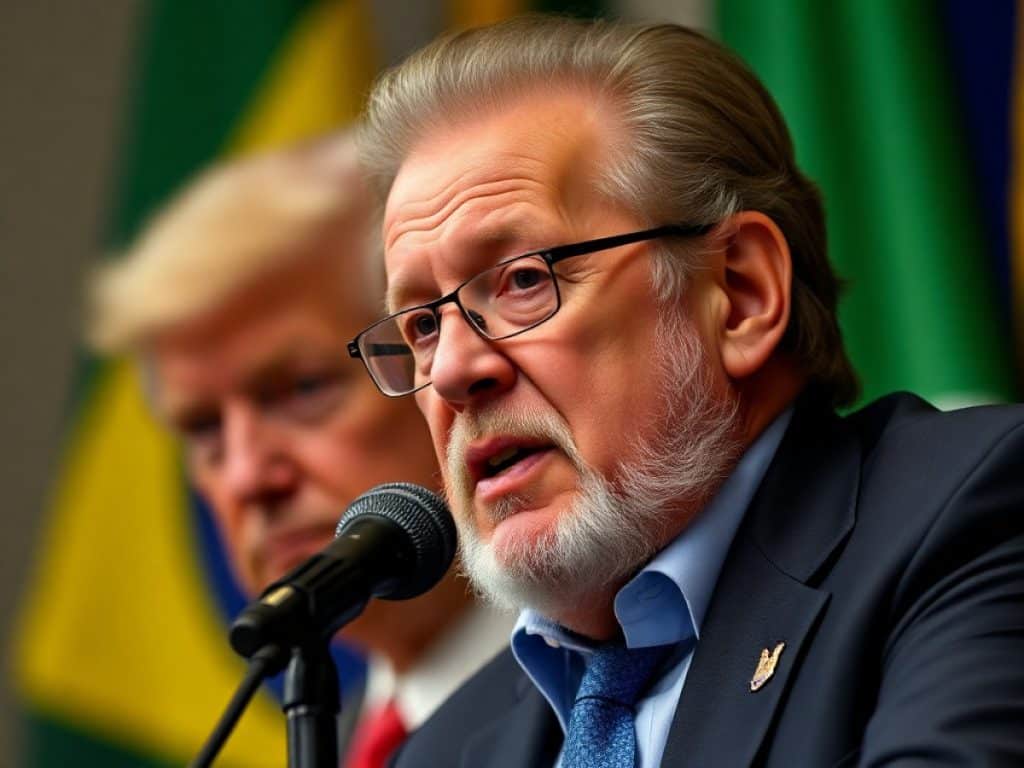
In a dramatic turn of events that could reshape international trade dynamics, Brazilian President Luiz Inácio Lula da Silva has issued a public challenge to U.S. President Donald Trump. The bone of contention? A hefty 25% tariff imposed by the U.S. on most Brazilian products, a move that took the global trade community by surprise earlier this month. Lula’s bold request for an explanation from Trump underscores a deeper narrative struggle, a “war of truth” as he puts it, aimed at unveiling the real motivations behind these tariffs to the world. During a recent public appearance in Rio de Janeiro, Lula articulated his intent to combat misleading narratives and defend Brazil’s trade practices, setting the stage for a high-stakes dialogue between the two largest economies in the Americas.
The Sudden Imposition of Tariffs
On July 15, the Office of the U.S. Trade Representative announced that a 25% tariff would be levied on a wide array of Brazilian goods starting July 22. This decision is the culmination of a yearlong investigation by U.S. authorities, which accused Brazil of engaging in unfair trade practices. Among the cited issues were the alleged mistreatment of U.S. technology companies, barriers to ethanol imports, inadequate protection of intellectual property, issues with the Brazilian PIX payment system, and illegal deforestation practices linked to agribusiness.
Dispute Details and Political Implications
The timing and nature of these tariffs have sparked a fierce political debate in Brazil, especially with presidential elections looming in October. Lula, who is campaigning for reelection, criticized the U.S. decision, suggesting that it was driven more by political maneuvering than genuine trade disputes. In a pointed response to the tariffs, Lula highlighted several measures his administration has taken to address U.S. concerns, including efforts to reduce deforestation and regulations ensuring that a significant portion of U.S. imports enter Brazil duty-free.
Counterarguments from U.S. Officials
U.S. Secretary of State Marco Rubio has been vocal in blaming Lula for the breakdown of negotiations, suggesting that the Brazilian President’s ego hindered a fair deal. According to Rubio, the U.S. demands were reasonable and aimed at leveling the playing field for American businesses affected by Brazilian policies.
Ripple Effects in Brazilian Politics
The tariff issue has quickly become a focal point in Brazil’s presidential race. Lula’s main opponent, right-wing Senator Flávio Bolsonaro, has distanced himself from the tariffs, despite accusations from Lula’s camp that the Bolsonaro family had a hand in promoting the levies during meetings with Trump at the White House. This dispute underscores the complex interplay between international trade policies and domestic political strategies.
Broad Economic Impact and Future Measures
The new tariffs add to a previous 50% tariff imposed last year by Trump, related to the trial and subsequent imprisonment of former Brazilian President Jair Bolsonaro, a close ally of Trump. The cumulative impact of these tariffs is significant, potentially affecting 18% of Brazil’s exports to the U.S., valued at around $7.4 billion. In response, the Brazilian government is considering various measures to support affected sectors and is contemplating reciprocal tariffs to counteract the U.S. policy.
As this trade conflict unfolds, it not only shapes the economic landscape but also tests the diplomatic resolve of two nations pivotal to the Western Hemisphere’s stability. The outcome of this “war of truth” could redefine alliances, trade norms, and the global economic order.
Similar Posts
- Lula Blasts Trump on Brazil Tariffs: Accuses Bolsonaro of Betrayal
- Lula Clashes With US Over Tariffs: Claims Brazil Faces Trade Deficit!
- Trump Slashes 40% Tariffs on 212 Brazilian Goods: Major Trade Relief Announced!
- Lula and Trump Advance at Malaysian Summit: Key Developments Unveiled
- Lula and Trump Reset Ties: Inside Their Pivotal Three-Hour White House Meeting

Gavin Turner is a crypto market analyst with over seven years studying price fluctuations and trading volumes in the United States. He provides detailed reports on sector trends and key indicators to help you anticipate market moves. His rigorous methodology and reliable forecasts guide you in refining your crypto trading strategies.