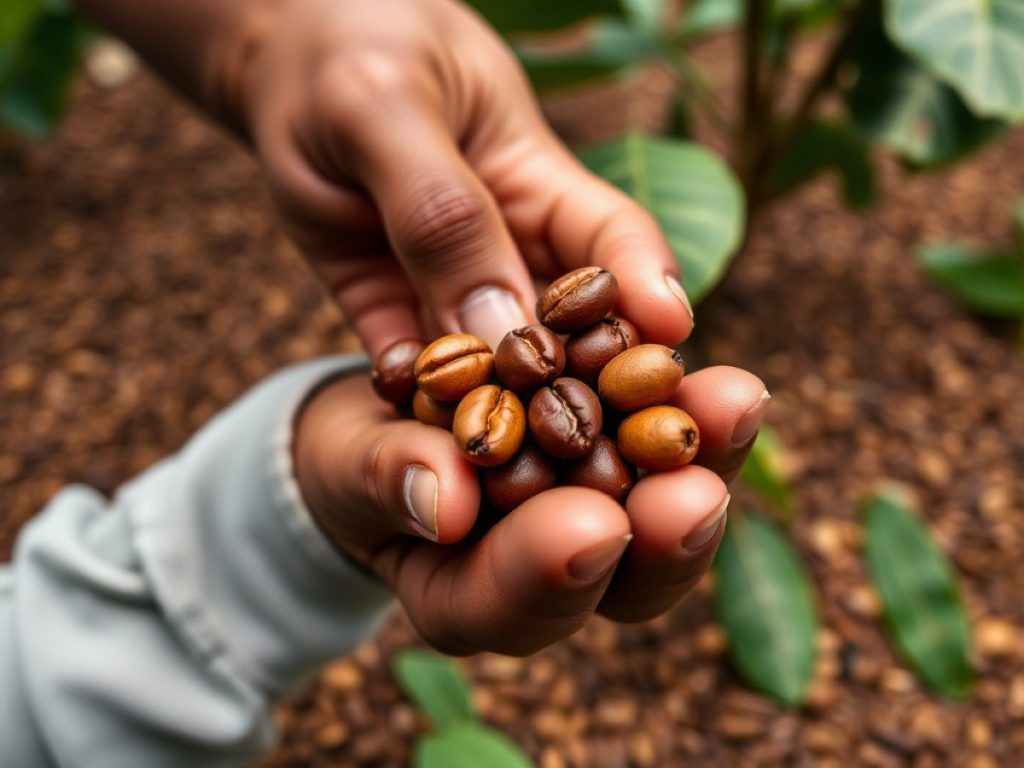
In the bustling world of global commodities, the dance of supply and demand never ceases to influence markets in unexpected ways. Despite Brazil standing as the titan of coffee production, the first quarter of 2026 brought with it a surprising twist—a 21% drop in coffee exports compared to the same period last year. This descent in export volumes occurred even amidst anticipations of a record-breaking harvest projected later in the year. The figures are more than mere statistics; they represent a complex interplay of economic, environmental, and political factors that resonate through coffee markets around the world.
Dissecting the Decline in Export Volumes
From January to March 2026, Brazil exported 8.4 million 60-kilogram bags of coffee, marking a significant reduction from the previous year. This downturn wasn’t limited to volume alone; export revenues also fell by 13.6% to US$3.371 billion. The month of March continued this trend with an 8% decrease in shipments year-on-year, and a 15.1% drop in revenue. The initial months of the year saw even steeper decreases, setting a somber tone for the quarter.
The Factors at Play
Several issues contributed to the downturn in exports:
– **Port logistics challenges** disrupted the smooth flow of goods.
– **The international trading environment** has been less favorable.
– **Expectations of a larger future supply** led buyers to hold off on purchases in anticipation of lower prices following the record forecast crop.
Shifts in International Market Dynamics
The landscape of Brazil’s coffee exports has seen considerable shifts in destination markets. Germany has emerged as the leading importer of Brazilian coffee, accounting for 14.1% of the total exports. The United States, previously a major buyer, now follows Germany due to significant reductions in purchases. This change is partly due to the economic impact of a temporary 50% tariff imposed by the Trump administration in August 2025, although it was retracted later in November.
Composition of Coffee Exports
– Soluble coffee: Comprised 11.4% of the exports.
Financial Overview and Future Projections
Despite a drop in volumes, the year 2025 saw the sector achieve record revenues of US$15.586 billion, a 24.1% increase from 2024. This revenue boost was propelled by high international coffee prices, even though the volume shipped had declined by 20.8% to 40 million bags. Looking ahead, Cecafé remains optimistic about the recovery of conilon and robusta shipments beginning in May, and arabica in July, as the new harvesting season gets underway.
The Brazilian government, buoyed by improved weather conditions and an expanded cultivation area, projects that this year’s crop will be the largest on record. This forecast not only shapes the strategies of local farmers and exporters but also sends ripples across the global coffee market, influencing prices, supply chains, and international trade agreements.
In the dynamic world of coffee trade, every bean counts, and every market shift brews a new story. As Brazil navigates through these complex times, the global market watches eagerly, cup in hand, ready for the next development in this caffeinated narrative.
Similar Posts
- Brazil’s Coffee Export Plunge: January Sales Drop 31%, Reports Cecafé
- Record-Breaking Brazil Harvest: 361.7 Million Tons of Soybeans, Corn, and Cotton
- Brazil Explores New Export Markets: Navigates Through US Trade Barriers
- Brazil Secures Export Deals with Philippines, Guatemala, Nicaragua: Trade Barriers Lifted!
- Paraguay’s Trade Deficit Hits $162M in January: Exports See Sharp Decline

Gavin Turner is a crypto market analyst with over seven years studying price fluctuations and trading volumes in the United States. He provides detailed reports on sector trends and key indicators to help you anticipate market moves. His rigorous methodology and reliable forecasts guide you in refining your crypto trading strategies.