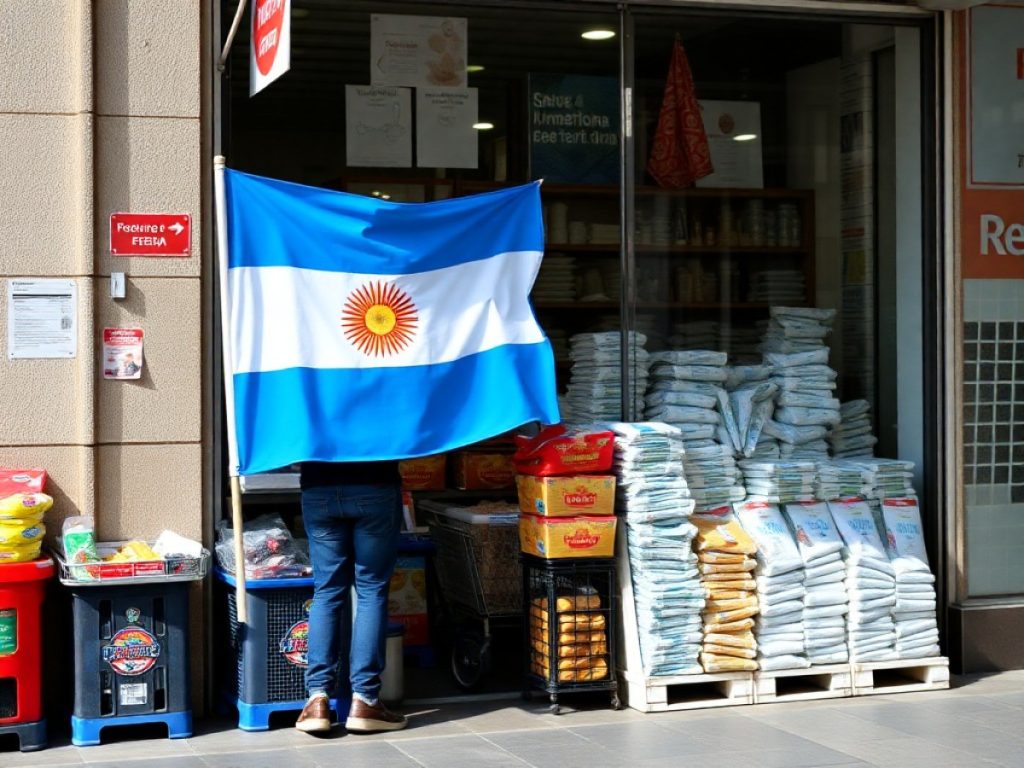
The recent economic reports from Argentina have brought a glimmer of hope to a nation long beleaguered by high inflation rates. In June, the inflation rate fell to 1.9%, marking the lowest monthly rate in nearly a year. This significant decrease is not just a number—it’s a sign of potentially stabilizing economic conditions in a country where inflation has deeply affected daily life and economic decision-making.
The government has attributed this positive trend to the rigorous fiscal and monetary adjustments initiated under the leadership of President Javier Milei, who assumed office in December 2023. Amidst a backdrop of economic challenges, this news could represent a turning point for Argentina’s economic future.
Economic Indicators and Trends
Current Statistics and Comparisons
In June, the inflation slowdown was noted for the third consecutive month, indicating a positive trend in economic stabilization. The National Institute of Statistics and Censuses (INDEC) reported this figure, emphasizing its significance as the first instance this year where inflation dipped below 2%. Compared to the previous year, prices had risen by 33.5%, with a cumulative figure for the first half of the year reaching 16.8%.
Analysis by Category
- Recreation and Culture: Saw the highest increase at 4.2%, influenced by rising costs in tourism packages.
- Housing, Water, Electricity, and Gas: Increased by 3.3%, reflecting rate adjustments in utilities.
- Food and Beverages: This category, crucial for lower-income households, experienced a rise of 1.3%, which is below the general inflation rate.
- Clothing and Footwear: Recorded the lowest increase at just 0.4%.
- Communications: Increased by 0.9%, remaining relatively stable.
Government Strategies and Legislative Actions
The Milei administration has been proactive in addressing the root causes of inflation, primarily focusing on halting the central bank’s practice of printing money to finance government spending. A significant legislative proposal has been introduced, aiming to prohibit the Central Bank from funding the Treasury by issuing money. This bill includes severe penalties for officials who violate this regulation.
Furthermore, the proposal seeks to amend the Central Bank’s charter to prioritize the preservation of the currency’s value, reversing a 2012 reform that had expanded the bank’s objectives to include employment and development.
Economic Outlook and Challenges
Despite the recent improvements in inflation rates, the government has set realistic expectations, acknowledging that the goal of achieving a monthly inflation rate “starting with a zero” by August might not be feasible. Analysts remain cautious, predicting that while disinflation may continue, it will likely do so at a gradual pace, with some categories still facing upward price pressures.
Impact on Households
The economic strain on households remains evident, with many individuals needing to work longer hours or in the informal sector to meet their needs. A typical family now requires about 1.53 million pesos to stay above the poverty line, a 35.7% increase from the previous year.
Political Implications and Future Elections
As the 2027 elections approach, the economic performance under President Milei’s administration will be a critical factor for voters. The government hopes that continued economic improvement will bolster its chances for reelection, making economic stability a central theme of its campaign.
In summary, while Argentina faces ongoing challenges, the recent decrease in inflation and strategic economic reforms offer a hopeful outlook for the nation’s economic stability and future growth.
Similar Posts
- Brazil’s Central Bank Predicts Lower Inflation for 2025: Economic Outlook Improves!
- Uruguay’s Inflation Drops Again: See the Latest Year-over-Year Figures!
- Chile’s Central Bank Slashes Interest Rate to 4.5%: What It Means for You!
- Argentine Household Debt Hits 17.5%: Government Refuses to Intervene!
- Argentina Braces for Record Inflation: Caputo Predicts “Best 18 Months Ahead”

Gavin Turner is a crypto market analyst with over seven years studying price fluctuations and trading volumes in the United States. He provides detailed reports on sector trends and key indicators to help you anticipate market moves. His rigorous methodology and reliable forecasts guide you in refining your crypto trading strategies.