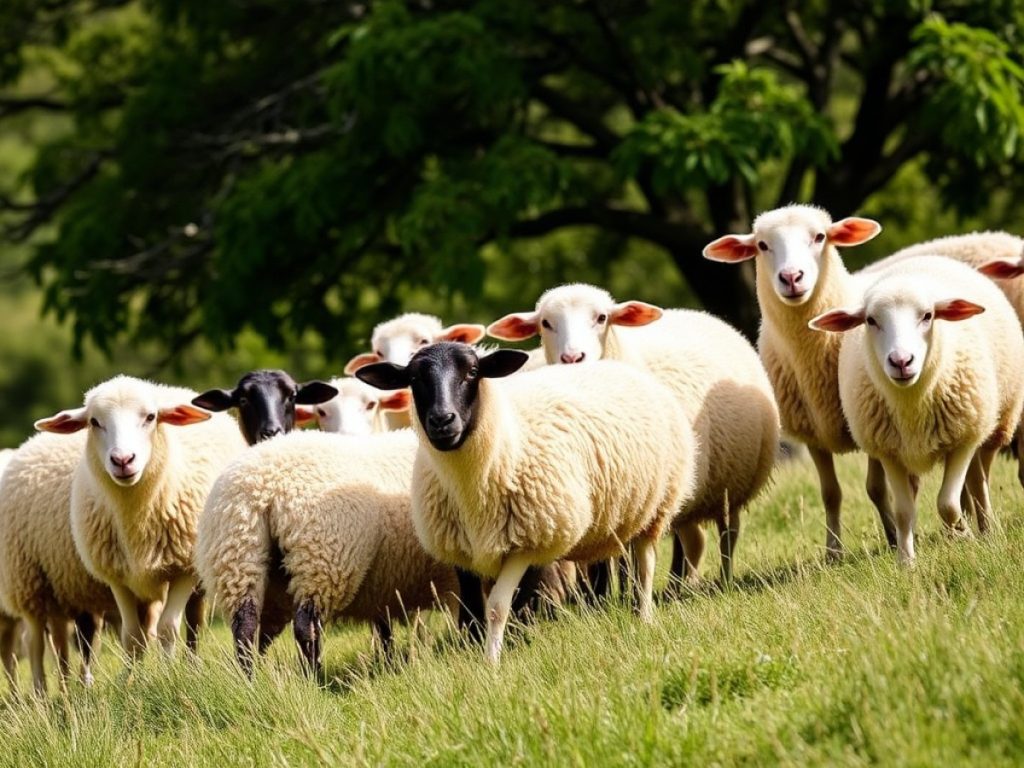
In the lush landscapes of Uruguay, a quiet yet robust evolution is taking place within the sheep farming sector. Between July 2025 and May 2026, the country saw an impressive 28% growth in sheep produce exports, reaching a total of US$ 281 million. This surge was primarily fueled by the wool market, which alone constituted 72% of the total income, with lamb and mutton making up the remainder. This remarkable growth not only underscores Uruguay’s pivotal role in the global wool market but also signals a significant economic boost that comes from the meticulous efforts of its sheep farmers.
Comprehensive Breakdown of Wool Market Dynamics
Overall Market Growth
During the observed period, wool and its sub-products played a dominant role, accounting for 91% of the total sheep produce exports. The export value of these products was US$ 184 million, marking a 29.3% increase from the previous year. Interestingly, this growth came despite a 4.1% decrease in the total volume of wool traded, which stood at 41.9 million kilos.
Detailed Category Insights
The wool market is categorized into greasy wool, scoured wool, and wool tops, each showing unique trends in both pricing and volume over the period:
- Greasy Wool: Exports were valued at US$ 76 million, up by 27% from the previous year. This increase came even though the volume decreased by 15%, totaling 17.4 million kilos.
- Scoured Wool: This category saw the largest growth, generating US$ 36.5 million. This represents a 53% increase in revenue and a 12.5% increase in volume, reaching 11 million kilos.
- Wool Tops: Exports reached US$ 72 million, a 27.5% increase in value, with the volume traded slightly up by 0.9%, totaling 13.7 million kilos.
Implications and Future Outlook
The significant growth in the wool sector not only highlights the robustness of Uruguay’s agricultural framework but also positions the country as a key player in the global market. The increase in the value of exports, despite a decrease in volume, is particularly noteworthy and points to a higher quality of wool being produced and exported. This trend indicates a promising future for Uruguay’s wool industry, potentially leading to even greater economic benefits and market expansion.
As the global demand for high-quality wool continues to rise, Uruguay’s strategic focus on enhancing the value of their exports rather than just the volume could set a precedent for other exporting nations. This approach not only ensures sustainability in production but also maximizes economic returns, securing a more stable and prosperous future for the nation’s sheep farmers and the economy at large.
With continued investments in technology, sustainable farming practices, and market expansion strategies, Uruguay is well-positioned to maintain, if not exceed, the current growth trajectory. This will not only benefit the local economy but also contribute significantly to the global textile industry, reinforcing Uruguay’s status as a leader in the production and export of high-quality wool.
Conclusion
As Uruguay continues to harness its agricultural potential, the success story of its wool market serves as an inspiring blueprint for sustainable and economically viable farming practices worldwide. The nation’s ability to adapt to market demands while ensuring the highest quality of produce is what sets it apart in the competitive global arena.
Similar Posts
- Uruguay Tops Latin America: Electric Car Sales Surge Ahead!
- Record-Breaking 3.2 Million Foreign Visitors Flock to Uruguay by November 2025
- Uruguay Snags 63% of Mercosur’s EU Rice Quota: Dominates Regional Trade!
- Brazil Suffers Most: Latin America Struggles With Trump Tariffs After One Year
- HSBC Exits Uruguay: Sells Operations to Top Brazilian Bank

Gavin Turner is a crypto market analyst with over seven years studying price fluctuations and trading volumes in the United States. He provides detailed reports on sector trends and key indicators to help you anticipate market moves. His rigorous methodology and reliable forecasts guide you in refining your crypto trading strategies.