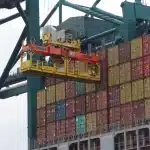
In an unprecedented move, the United States has leveraged its trade law to impose tariffs on goods from 60 countries, citing inadequate measures against forced labor as the primary concern. This sweeping action, which affects nearly all imports entering the U.S., signals a rigorous shift in the country’s trade policy and its approach to human rights issues globally. The tariffs, ranging from 10% to 12.5%, were put into effect shortly after a universal tariff expired, marking a significant escalation in the U.S.’s efforts to combat forced labor practices abroad.
The Framework of New Tariffs
The tariffs were introduced under Section 301 of the 1974 Trade Act, a provision that enables the U.S. to impose trade sanctions on countries that engage in, or turn a blind eye to, unfair trade practices. This legal maneuver comes after a series of judicial and legislative challenges that have shaped current trade policies. The specific rates set vary by country and product, with some nations facing a uniform 10% tariff and others subjected to varying rates up to 12.5%.
Impact and Implementation
Immediate Effects on Trade Partners
The immediate imposition of these tariffs has stirred varied reactions among the affected countries. Some, like Canada and Mexico, have quickly adapted their policies in hopes of achieving more favorable tariff rates. Others, such as the European Union, have outright rejected the U.S. claims, questioning the fairness and legality of the move.
Exemptions and Special Cases
Not all goods are subject to the new tariffs. Products such as oil and gas, fertilizers, and those already exempt under trade agreements like NAFTA, remain unaffected. Additionally, goods that are merely passing through the U.S. are not subjected to the increased rates.
Responses and Repercussions
Domestic and International Reactions
Within the United States, the tariffs have been met with a mixed response. While some view them as a necessary step towards addressing global human rights abuses, others fear the economic impact, particularly the potential rise in consumer prices due to higher import costs.
Global Political Dynamics
On the international stage, the move has been perceived as a bold assertion of U.S. policy on trade and labor rights. Several countries have already signaled their intentions to challenge these tariffs through legal avenues or by direct negotiations with the U.S. government.
Looking Ahead: Trade and Human Rights
Trade Representative Jamieson Greer has emphasized that these tariffs are just one element of a broader strategy to ensure fair labor practices worldwide. This approach underscores a significant pivot in U.S. trade policy, where human rights concerns are becoming increasingly central to the formulation of economic sanctions and tariffs. The global community watches closely as these policies unfold, anticipating the potential for both conflict and collaboration in the sphere of international trade and labor rights.
Similar Posts
- US Hits Brazil and China with 12.5% Tariffs: 60 Economies Targeted for Forced-Labor Practices!
- Brazilian Exports at Risk: Nearly 50% May Face New US Tariffs!
- US Imposes Tariffs on 60 Nations Including Argentina: Crackdown on Forced Labor
- Uruguay Hit by 12.5% US Tariff: Foreign Ministry Analyzes Impact
- Lula Clashes With US Over Tariffs: Claims Brazil Faces Trade Deficit!

Gavin Turner is a crypto market analyst with over seven years studying price fluctuations and trading volumes in the United States. He provides detailed reports on sector trends and key indicators to help you anticipate market moves. His rigorous methodology and reliable forecasts guide you in refining your crypto trading strategies.