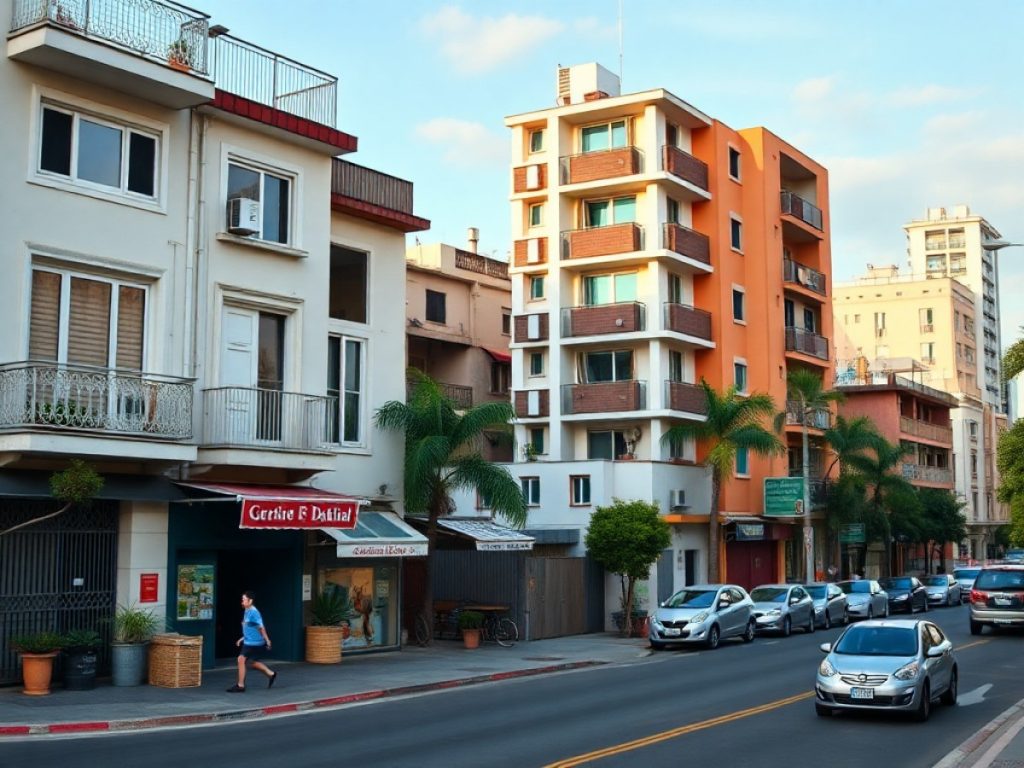
As the 2026 World Cup looms on the horizon, set to unfold across Mexico, the United States, and Canada, a surge in Airbnb listings is reshaping the urban landscape of Mexican host cities. The burgeoning demand for short-term rentals is not merely filling up spare rooms in family homes; it’s a booming business largely dominated by real estate firms. These companies are rapidly converting residential units into lucrative tourist accommodations, a trend that’s remaking neighborhoods and stirring concerns about housing affordability.
This transformation is especially pronounced in Mexico City, Guadalajara, and Monterrey, where the influx of international tourists has led to a dramatic escalation in the number of properties listed on Airbnb and similar platforms. What’s noteworthy is that the main players in this burgeoning market are not individual homeowners but corporate entities with deep ties to the real estate sector.
Explosive Growth in Airbnb Listings
The figures speak volumes about the scale of change. From 2023 to 2026, Mexico City alone saw a 30% increase in Airbnb listings, with numbers ballooning from 18,000 to nearly 24,000. Guadalajara witnessed a 50% rise, reaching 9,760 properties, while Monterrey saw its listings double to 7,274. This rapid expansion is largely credited to corporate entities that have pivoted to capitalize on the short-term rental market.
Leading Players in the Market
In Mexico City, companies like Virtual Homes, Kukun, and Mr. W lead the pack, managing hundreds of properties each. Virtual Homes, a subsidiary of Carcho Administración, has been particularly influential, despite controversies surrounding its founder. In Guadalajara and Monterrey, firms like Qüarat Living Rentals and Anfitrip dominate the scene, with their roots deeply embedded in real estate and architectural ventures.
Impact on Local Communities
The shift towards short-term tourist rentals is not without its consequences. Neighborhoods have undergone significant changes, often displacing long-term residents. In Mexico City’s Cuauhtémoc borough, for instance, between 11% and 20% of all housing has been converted to Airbnb rentals. The 06600 Vecinal Platform and Observatory of Colonia Juárez have documented the eviction of thousands of residents to make way for these lucrative rentals.
Case Study: The Pandora Building
One emblematic case is the Pandora building in Colonia Juárez, where numerous families were evicted to transform the property into a high-end tourist rental operation. Managed by Virtual Homes, the building now offers rooms at rates that are prohibitively expensive for most local residents.
Regulatory Responses
The local governments have begun to respond to these developments with new regulations aimed at curbing the unchecked growth of short-term rentals. Mexico City’s 2024 Tourism Law, for example, imposes a cap on the number of properties one can list as tourist stays and requires additional registrations for larger operators. Similar legislation is under consideration in Monterrey and Guadalajara, reflecting a growing awareness of the need for oversight.
The real estate dynamics in these host cities illustrate a broader trend where the allure of tourism dollars is clashing with the needs of local residents. As the World Cup approaches, these issues are likely to intensify, drawing more scrutiny to the balance between economic benefits and community impacts. As these cities continue to evolve under the weight of global attention, the outcomes of these regulatory efforts will be closely watched by all stakeholders involved.
Similar Posts
- Argentine Investors Pull Back: Uruguay Property Market Sees Decline
- Mexico Overhauls Footwear Import Rules: New Standards to Impact Global Trade!
- Exploring AI Avatars: Key Trends Shaping Our Digital Future
- Chile Champions Valparaíso for High Seas Treaty HQ: Kast Government Confirms Bid
- Trump Grants Pardon in High-Profile Insider Trading Case: Lewis Freed!

Gavin Turner is a crypto market analyst with over seven years studying price fluctuations and trading volumes in the United States. He provides detailed reports on sector trends and key indicators to help you anticipate market moves. His rigorous methodology and reliable forecasts guide you in refining your crypto trading strategies.