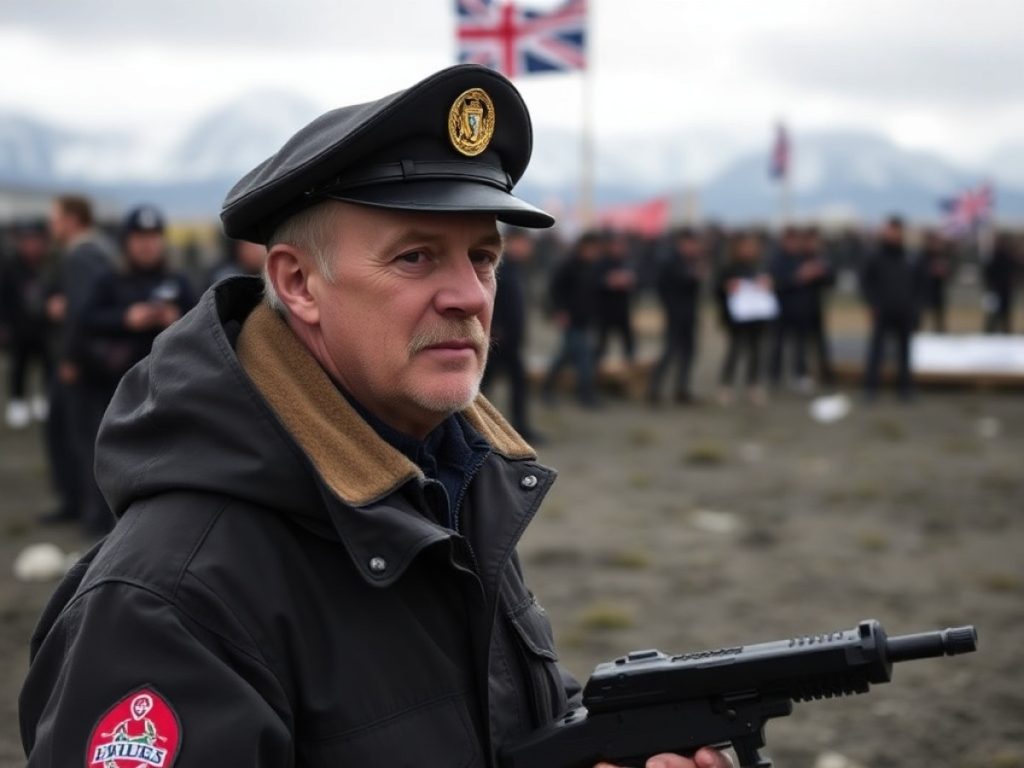
Amidst the commemorations of a war long past and the chilling whispers of diplomatic storms, the Falkland Islands are witnessing a striking transformation. Once the battleground of the 1982 conflict, this remote archipelago is now emerging as a burgeoning economic power in the South Atlantic. While the world remembers the soldiers and the skirmishes, today’s Falkland Islands are crafting a story of prosperity and strategic diplomacy. Here, where the Atlantic meets ambition, the future seems as vast as the ocean surrounding it.
Economic Renaissance in the Falklands
The transformation of the Falkland Islands into a thriving economic hub is nothing short of remarkable. With a population of just 3,662, the Islands boast a per capita income that surpasses that of the United Kingdom. This economic boom is largely fueled by the lucrative fishing licenses issued within their 200-mile exclusive economic zone. Since 1986, these waters have been bustling with international fleets harvesting the abundant Illex squid, Loligo squid, and Patagonian toothfish, which now constitute about 60% of the islands’ GDP. A local sheep farmer, Ailsa Heathman, recalls the pre-war days as a time of struggle, highlighting the stark contrast to the current state of wealth and well-being brought by the fishing industry.
The Next Frontier: Oil Exploration
As the fishing industry stabilizes the economy, the Falklands are looking towards new horizons—oil. The Sea Lion oil field, discovered in 2010, is poised to be the next major economic driver. With an estimated project cost of USD 2.1 billion, operations by Navitas Petroleum and Rockhopper Exploration are expected to commence drilling soon, eyeing first production by 2028. Anticipating substantial revenues, the local government debates the creation of a Norwegian-style sovereign wealth fund to secure long-term prosperity and safeguard resources for future generations.
Geopolitical Challenges on the Horizon
Despite economic success, the Falklands are not free from political tension. Recent developments have seen a rekindling of diplomatic strains, particularly concerning sovereignty debates with Argentina and unexpected shifts in international alliances. An internal Pentagon email leak suggested a potential reevaluation of U.S. support for the UK concerning the islands, a move that could redefine geopolitical dynamics in the region. However, local authorities remain calm, viewing the leak as a minor disturbance rather than a crisis, supported by solid relationships with their allies, notably the United States.
Military Presence and Security
The security of the Falkland Islands is underpinned by a significant military presence at Mount Pleasant. The facility, established post-war, houses between 1,000 and 1,500 personnel, advanced aircraft like the Eurofighter Typhoon, and comprehensive naval and radar systems. This robust defense setup ensures control over the airspace and serves as a deterrent to potential aggressions, with experts like retired General Sir Richard Barrons affirming the low likelihood of renewed conflicts.
Healing and Reflection: Veterans Return
The emotional scars of war are not easily forgotten, and the Falklands serve as a poignant reminder for many veterans. Individuals such as Tony Scales, a former Welsh Guardsman, and Fernando Suárez, an Argentine ex-soldier, have returned to the islands, seeking closure and reconciliation. Their visits, laden with memories and hopes for peace, underscore a collective desire for healing and affirm the islands’ commitment to self-determination—a sentiment overwhelmingly supported in the 2013 referendum.
The Falkland Islands continue to navigate their complex tapestry of history, wealth, and diplomacy, crafting a narrative of resilience and ambition in the face of past and present challenges. As they move forward, the interplay of economic growth and geopolitical strategy will undoubtedly shape their trajectory in the turbulent waters of international relations.
Similar Posts
- Argentina Eyes Historic Trade Pact With UK: First Major Link Since 1982!
- Bank of England’s Lessons from the Falklands: Eye-Opening Insights for Economic Strategy
- Falklands Delegation Heads to Uruguay for Construction Buys: Cost Concerns Drive the Mission
- Falkland Islands Seek Talent: New Platform to Attract Professionals During Investment Surge
- Falklands’ Oil Future Unveiled: Economic Development Forum Kicks Off Monday

Gavin Turner is a crypto market analyst with over seven years studying price fluctuations and trading volumes in the United States. He provides detailed reports on sector trends and key indicators to help you anticipate market moves. His rigorous methodology and reliable forecasts guide you in refining your crypto trading strategies.