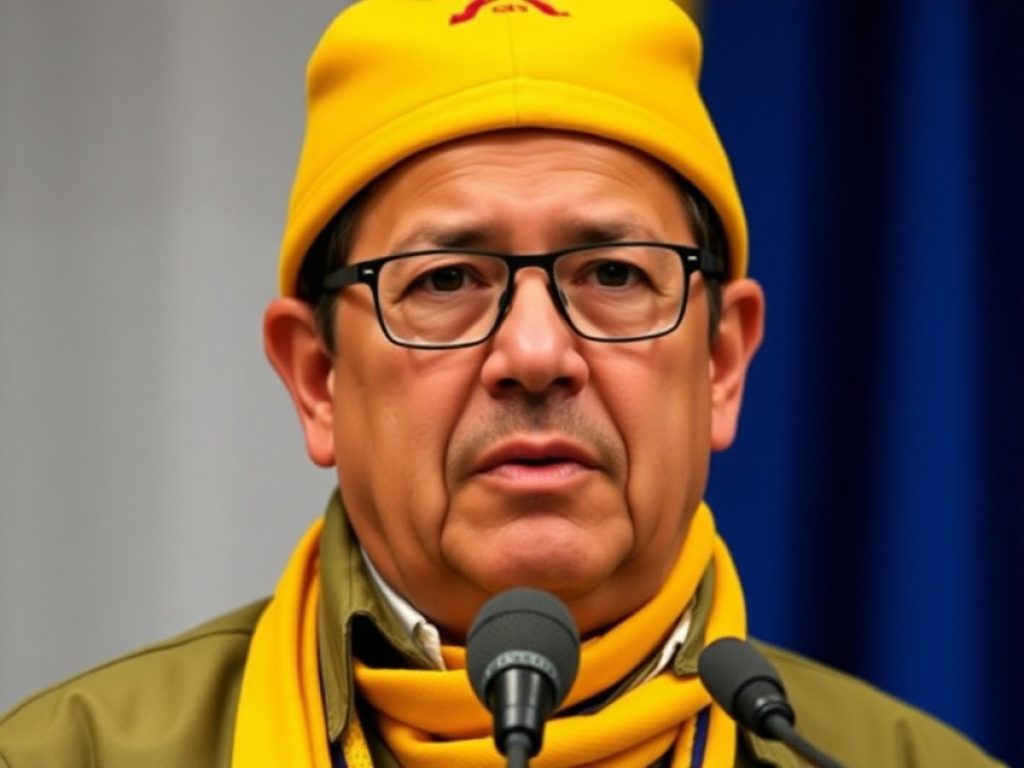
In a bold move, Colombian President Gustavo Petro has declared a significant 23.7% increase in the country’s minimum wage for the year 2026. This marks the largest single-year wage increase in Colombia in the last 25 years and includes additional benefits such as transport subsidies. This decision elevates the minimum monthly salary from 1,623,500 Colombian pesos (approximately $422 USD) to a notable 2,000,000 Colombian pesos (around $520 USD). This wage increase follows a series of substantial raises under Petro’s administration, including a notable 16% hike in 2023, which cumulatively accounts for a 42.4% increase over the past three years.
The Impact and Intentions Behind the Wage Increase
Goals for Economic Equality
Petro, alongside Labor Minister Antonio Sanguino, has positioned this wage increase as a strategic move to diminish inequality and bolster the purchasing power of the Colombian working class. They emphasize that the wage should ensure “dignified living conditions” for workers, aligning with the constitutional requirement for a “vital” wage. This approach is seen as a way to address the disparities in living standards across the country.
Economic Ramifications
However, this wage hike is not without its criticisms and concerns. Economists have projected an inflation rate of 4% for 2026, and there are worries that such a substantial increase in wages could lead businesses to raise their prices, potentially initiating a “vicious cycle” of inflation. This is particularly concerning given that nearly half of the Colombian workforce operates in the informal sector, which could see small businesses struggling to adapt to higher labor costs.
Political Implications and Reactions
Strategic Timing?
The announcement comes at a critical time, just one week after Petro declared a 30-day State of Economic Emergency in response to a “fiscal gap” identified after the rejection of his tax reform bill by Congress. With the upcoming Presidential Elections on May 31, where Petro is constitutionally barred from re-election, critics argue that this wage increase is a populist strategy designed to garner support for his political movement in the lead-up to the elections.
Public and Expert Opinions
Responses to the wage increase have been mixed. While some view it as a necessary step towards economic fairness, others, including business associations, have denounced the negotiation process as a “farce” and are concerned about its implications for the 2026 economic landscape. Experts from the Universidad Javeriana and the Fiscal Observatory have highlighted that this wage increase will add approximately 10 trillion Colombian pesos per year to public spending, significantly impacting salaries and pensions in the public sector.
Economic Forecast and Challenges Ahead
The Colombian Central Bank (BanRep) had initially projected an inflation rate of 3.6% for 2026. The new wage policy has led to adjustments in these forecasts, with economists now anticipating that the central bank might need to maintain high interest rates to counteract an impending wave of inflation. This could pose challenges to the country’s projected economic growth of 2.6% GDP for the year.
In conclusion, President Petro’s drastic wage increase decision is a multi-faceted issue, with potential to both positively and negatively affect various sectors of Colombian society and its economy. As the country approaches its electoral season, the outcomes of this policy will undoubtedly be a key factor in the political and economic discourse.
Similar Posts
- Trump Announces New Tariffs on Colombia: Economic Implications Explored
- Bolivian President Cuts Fuel Subsidies, Hikes Minimum Wage: Economic Shake-Up Explained!
- Argentina’s Central Bank Eases US Dollar Restrictions: New Financial Freedom Expected!
- U.S. National Debt Hits $40 Trillion Milestone: Economic Implications Explained!
- Milei Slashes $1.79 Billion from Budget: Education Takes Major Hit!

Gavin Turner is a crypto market analyst with over seven years studying price fluctuations and trading volumes in the United States. He provides detailed reports on sector trends and key indicators to help you anticipate market moves. His rigorous methodology and reliable forecasts guide you in refining your crypto trading strategies.