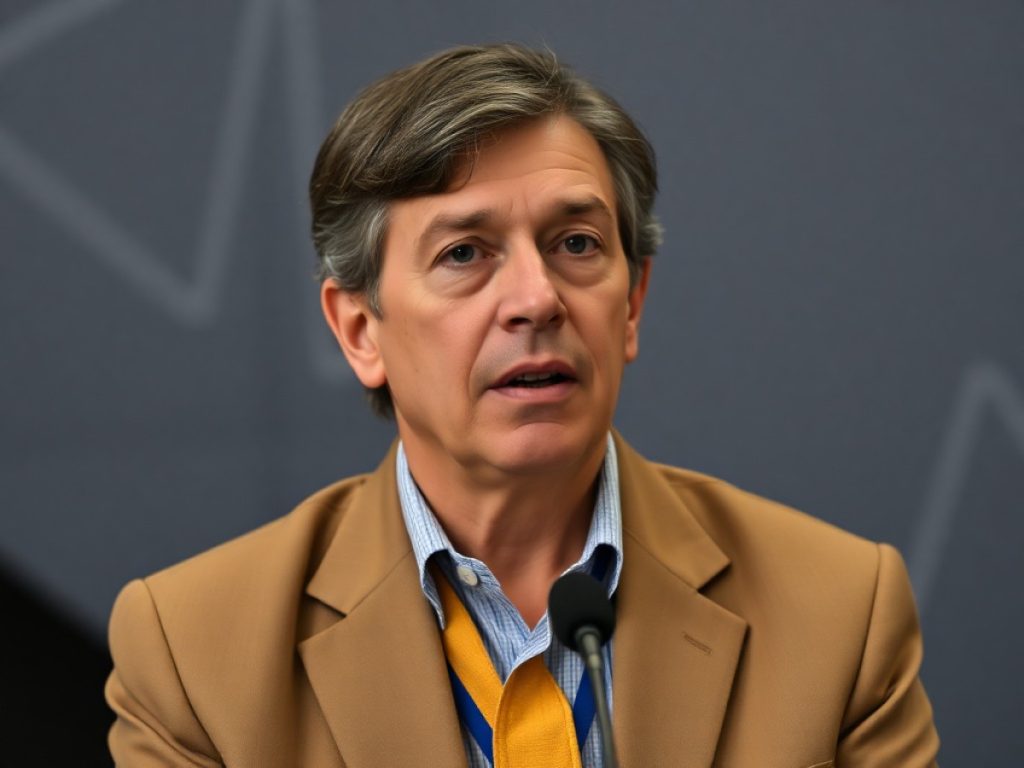
As Argentina braces for a significant change in its fiscal strategy, the government under President Javier Milei has made a drastic decision to cut the national budget by approximately 1.79 billion dollars. This decision, primarily aimed at sustaining the fiscal surplus target agreed with the International Monetary Fund (IMF), reflects a substantial tightening of Argentina’s financial policies. Amidst this financial recalibration, the education sector has emerged as the most affected, with deep cuts across various programs that have sparked widespread concern and debate within the academic community and beyond.
Overview of the Budget Cuts
The recent amendments to Argentina’s 2026 budget involve significant financial reductions across multiple sectors:
– **Major Reductions in Treasury Transfers**: A whopping 1.47 trillion pesos cut from economic services, primarily due to subsidy reductions and increased public utility tariffs.
– **Impact on Social and Infrastructure Programs**: Notable cuts include 359 billion pesos from energy-efficiency initiatives, 320 billion pesos from sports infrastructure development, and various reductions in road works, cancer prevention, and social welfare programs.
– **Enhanced Appropriations for Specific Areas**: Despite the cuts, the budget increases funding by 500 billion pesos for judicial pension rulings and 162 billion pesos for a voluntary retirement plan at the National Social Security Administration.
Deep Cuts in the Education Sector
Among the areas facing cuts, education has been hit hardest:
– **National Literacy Plan**: Reduction of 35.3 billion pesos, impacting transfers to provinces.
– **Teacher Salary Compensation Fund**: Completely eliminated, leading to a loss of 8.9 billion pesos.
– **School Infrastructure**: Funding cut by 21.7 billion pesos.
– **Educ.ar**: The state-owned educational firm sees a reduction of 48 billion pesos in transfers.
Additionally, capital transfers for national universities have been reduced by 5.3 billion pesos, affecting thirteen institutions and potentially compromising the quality and accessibility of higher education in Argentina.
University Protests and Public Response
The budget cuts arrive at a time of heightened tension regarding university financing. The Federal Administrative Appeals Chamber has currently suspended the University Financing Law, which was approved by Congress in October 2025, following an appeal by the government. This has led to significant unrest in the academic sector:
– **Reduction in University Funding**: According to the National Interuniversity Council, transfers to universities have decreased by 45.6% in real terms between 2023 and 2026.
– **Decline in Purchasing Power**: Sector salaries have lost approximately 32% of their purchasing power during the same period.
– **Public Protests**: The University of Buenos Aires, along with other major institutions, has been vocal about the cuts. A significant protest, the fourth since the start of Milei’s administration, is scheduled to occur, reflecting widespread discontent among educators and students alike.
As Argentina navigates these challenging fiscal adjustments, the impacts of these cuts, particularly in the education sector, continue to unfold, shaping the nation’s socio-economic landscape and its future prospects in profound ways.
Similar Posts
- Argentina’s University Protests Escalate: Government Promises Talks After Marches
- Argentina’s Opposition Challenges Milei: Boosts Funding for Public Universities
- Argentina Crisis: Court Orders Salary Restoration as University Strikes Escalate
- Milei Wins Big: Congressional Approval for 2026 Budget Secured!
- Milei’s Budget Broadcast: “The Worst is Over” – Key Points Revealed!

Gavin Turner is a crypto market analyst with over seven years studying price fluctuations and trading volumes in the United States. He provides detailed reports on sector trends and key indicators to help you anticipate market moves. His rigorous methodology and reliable forecasts guide you in refining your crypto trading strategies.