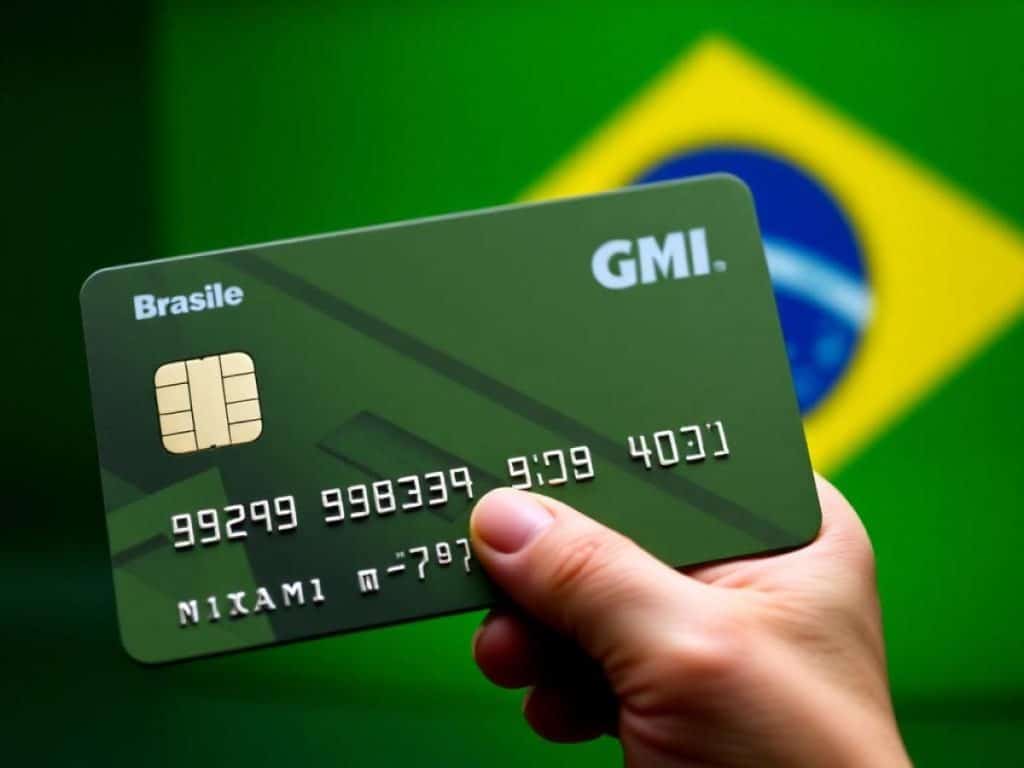
When Brazilian Supreme Federal Court Justice Alexandre De Moraes found his MasterCard unexpectedly cancelled by Banco do Brasil, the ripples were felt far beyond his personal finances. The bank’s decision, taken under pressure from U.S. sanctions imposed under the Magnitsky Act, plunged Brazilian financial institutions into a storm of controversy and uncertainty. This act puts them at a crossroads, torn between adhering to international sanctions and risking local legal consequences.
The heart of the issue lies in the competing pressures from U.S. sanctions and Brazilian judicial authority. Fellow STF Justice Flávio Dino’s recent ruling emphasized that foreign determinations, such as those from the U.S., do not hold automatic sway within Brazil’s borders. Justice Dino stated that any compliance with such foreign directives would face domestic repercussions. In a bid to mitigate the situation, Banco do Brasil offered De Moraes a domestically-focused Elo card, yet the broader implications of their initial compliance with U.S. sanctions remained a hot topic.
The Dilemma for Brazilian Banks
The predicament facing Brazil’s financial giants stems from a clear legal directive versus international business interests. Failure to follow U.S. impositions could jeopardize their operations and relationships abroad. Conversely, ignoring directives from Brazil’s own Supreme Federal Court could lead to severe penalties within the country. This tension has introduced significant volatility in Brazil’s financial markets, with sharp declines in shares of major banks following the U.S.’s announcement.
Market Impact and Institutional Response
The immediate reaction in financial circles was one of apprehension. The stock prices of prominent Brazilian banks took a nosedive, reflecting investor anxiety about the potential for these institutions to be caught between two formidable forces. Amidst this turmoil, statements from financial leaders sought to restore calm and assert the stability of Brazilian banking entities.
Statement from Banking Executives
“Banco do Brasil is an institution that holds the number 1 CNPJ (Corporate Taxpayer ID) in this country,” declared Tarciana Medeiros, President of Banco do Brasil. She emphasized the irresponsibility of questioning the solidity and integrity of such foundational Brazilian institutions in these challenging times.
Looking Ahead
The situation remains fluid, with all eyes on how Brazilian banks will navigate the choppy waters between complying with international sanctions and adhering to national laws. The decisions made in the coming days could set important precedents for the interplay between domestic judicial rulings and international political pressures in global finance.
As the story unfolds, the financial sector and legal frameworks within Brazil continue to adapt and respond to these unprecedented challenges, marking a significant episode in the ongoing dialogue between national sovereignty and global diplomacy.
Similar Posts
- Lula Blasts Trump on Brazil Tariffs: Accuses Bolsonaro of Betrayal
- Lula and Trump Advance at Malaysian Summit: Key Developments Unveiled
- UN Chief Slams Trump’s Tariffs: Calls Them “Disheartening” in New Economic Blow
- Trump’s Obsession Unveiled: Why Central Bankers Rally Behind Fed Chair Powell
- Trump Tariffs Shake Dollar: Supreme Court Ruling Adds Economic Pressure

Gavin Turner is a crypto market analyst with over seven years studying price fluctuations and trading volumes in the United States. He provides detailed reports on sector trends and key indicators to help you anticipate market moves. His rigorous methodology and reliable forecasts guide you in refining your crypto trading strategies.