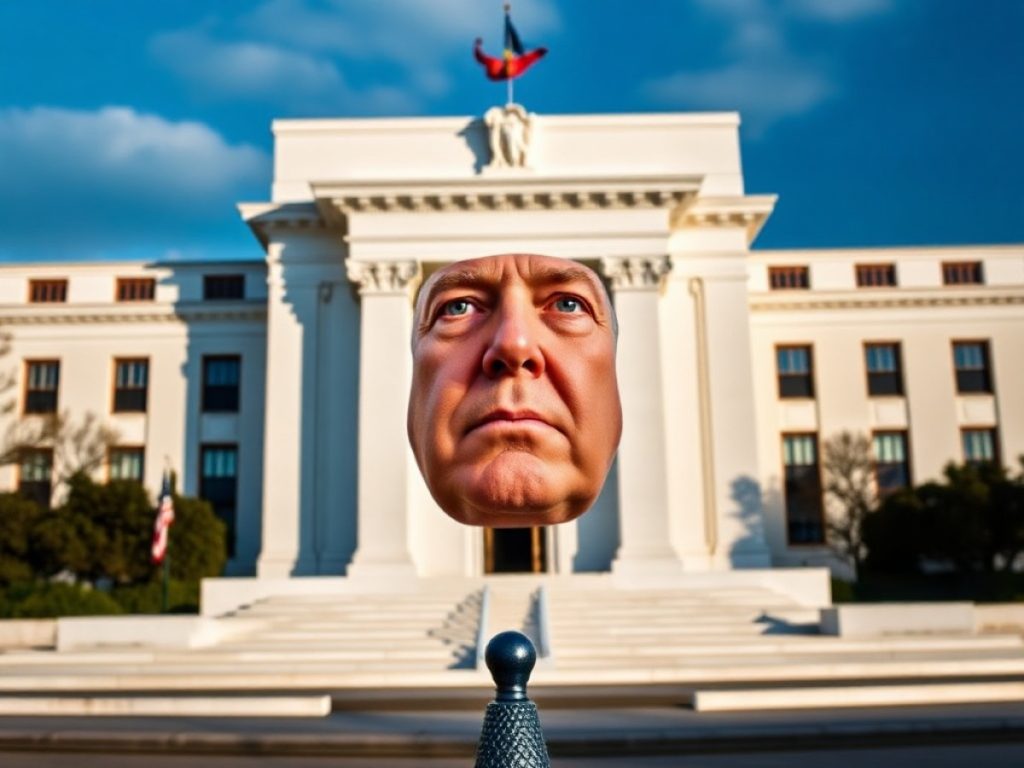
In a remarkable display of global unity, central bankers from several continents have recently rallied behind Jerome Powell, Chair of the U.S. Federal Reserve. This unprecedented move underscores the gravity of the situation, as Powell navigates through both a criminal investigation and intense pressure from President Donald Trump, who has openly suggested that Powell should resign before his term concludes in May. At the heart of this issue lies a fundamental question about the autonomy of central banks and the potential for political interference to destabilize global economic stability.
The Global Support for Powell
Central banks from nations including Australia, Brazil, Canada, Europe, New Zealand, South Africa, South Korea, and the United Kingdom have all made their positions clear. They issued a joint statement stressing the importance of maintaining central bank independence to ensure economic and financial stability worldwide. This broad international backing highlights the potential global repercussions of U.S. monetary policy, especially given its influence on worldwide interest rates and financial markets.
Statements from Across the Globe
The backing wasn’t just through verbal support or press releases; it included a detailed statement from the Bank for International Settlements, emphasizing the critical nature of preserving the independence of monetary policy from political pressures. This collective stance serves as a robust defense against any attempts to undermine the established norms of economic governance.
The Implications of Trump’s Pressure
President Trump’s persistent critique of the Federal Reserve has been a recurring theme throughout his administration. His recent demands for significant cuts to interest rates—to levels typically seen only during severe recessions—have sparked widespread concern among economists and financial experts.
Historical Context and Economic Concerns
Experts draw parallels with past instances where political interference in central banking led to dire economic repercussions. For example, decisions made under political pressure in the 1970s in the U.S. and more recently in Turkey have led to spiraling inflation and economic instability. These historical examples serve as cautionary tales for the potential consequences of undermining the Fed’s autonomy.
The Legal and Political Landscape
The ongoing Supreme Court case regarding the president’s authority to remove Federal Reserve board members adds another layer of complexity to the situation. Moreover, Powell’s recent subpoena by the U.S. Department of Justice, relating to a massive renovation project of the Fed’s historical buildings, has only added fuel to the fire, with allegations suggesting that these legal challenges may be politically motivated.
Response from Powell and Other Economists
In a forceful rebuttal, Powell defended the integrity of the Federal Reserve’s decision-making process, emphasizing that monetary policy should be guided by economic evidence and conditions, not political agendas. This sentiment was echoed in a separate statement by prominent U.S. economists, including past Federal Reserve Chairs, who collectively warned against the risks of compromising the Fed’s independence.
The Broader Economic Impact
The potential for rapid changes in U.S. interest rates raises concerns about global inflation and economic stability. A shift in U.S. monetary policy resonates across global markets, affecting everything from exchange rates to investment flows. As such, the international support for Powell can be seen as a protective stance not just for the U.S. economy, but for global financial stability as a whole.
In conclusion, the unfolding events around Jerome Powell and the U.S. Federal Reserve not only highlight the challenges of maintaining central bank independence but also illustrate the interconnected nature of global economics. The world watches closely as these events continue to unfold, bearing witness to a pivotal moment in the history of international economic policy.
Similar Posts
- Trump Appoints Kevin Warsh as Federal Reserve Leader: High-Stakes Confirmation Battle Looms
- Fed Holds Interest Rates Steady: New Chair Warsh Promises Briefer, Fact-Based FOMC Summaries
- Trump Vows to Fire Powell if He Remains After May: Senate Confirmation Delays Explained
- Trump Backs Fed Chair Amid 4% Rate Hike: Confidence Unshaken in Economic Strategy
- Warsh Takes Over Fed Amid Soaring Inflation: What This Means for Your Wallet

Gavin Turner is a crypto market analyst with over seven years studying price fluctuations and trading volumes in the United States. He provides detailed reports on sector trends and key indicators to help you anticipate market moves. His rigorous methodology and reliable forecasts guide you in refining your crypto trading strategies.