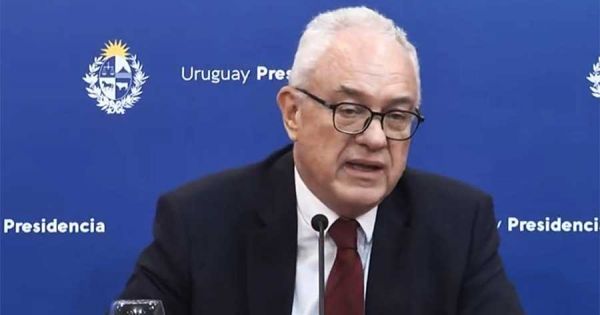
As the global trade winds shift, Uruguay finds itself at a pivotal juncture. Foreign Minister Mario Lubetkin, in a series of insightful discussions, has highlighted the evolving dynamics that are expected to redefine economic interactions for this small South American nation. With a projected alliance of 31 tariff-free nations by 2026, Uruguay’s strategic approach to international markets is on the brink of transformation. Lubetkin’s recent remarks shed light on the imperative shift from merely identifying markets to actively determining the optimal commodities for trade engagement.
Uruguay’s New Trade Horizon
According to Minister Lubetkin, the landscape of international trade is undergoing significant changes that necessitate a fresh outlook for Uruguay. “We are practically entering a free trade area with major global blocs,” he stated during an interview with FocoUy. This evolution from traditional trade barriers opens up numerous opportunities and challenges for the nation. The focus now pivots to what Uruguay can offer to these accessible markets and whether it has the capacity to meet their demands.
A Glimpse into Future Engagements
Lubetkin emphasized ongoing negotiations that underscore Uruguay’s proactive stance in establishing a strong presence in diverse markets:
- Asia and the Middle East have emerged as significant focal points with talks underway with ASEAN, China, India, Saudi Arabia, and Vietnam.
- A high-level delegation from an undisclosed country is scheduled to visit Montevideo next week, highlighting the increasing diplomatic engagements aimed at bolstering economic ties.
Addressing Regional Tensions
Beyond global trade dynamics, Uruguay must also navigate regional complexities, particularly with its neighbor, Argentina. A recent point of contention has been the proposed installation of a Green Hydrogen Plant in Paysandú, which has sparked protests in Argentina’s Entre Ríos province. These protests echo the discord seen during the 2006 pulp mill conflict between the two nations.
Steps Towards Conflict Resolution
Lubetkin has made it clear that both nations are keen on avoiding past mistakes. “No more blocked bridges,” he asserts, reflecting a mutual understanding to prevent escalations similar to those experienced in 2006. The Foreign Minister remains hopeful that, in the event of any controversy, “technical and scientific serenity prevails,” ensuring that the development of the plant does not become a source of bilateral tension.
Environmental and Economic Balancing Act
The Green Hydrogen Plant, a $6 billion investment by HIF Global, stands at the intersection of economic ambition and environmental stewardship. While the project promises substantial economic benefits, it also raises concerns regarding potential impacts on tourism and the environment. This dual challenge underscores the need for Uruguay to balance its economic aspirations with sustainable practices, ensuring long-term benefits that do not come at the cost of ecological or social well-being.
In summary, Uruguay, under the guidance of Minister Lubetkin, is navigating a transformative period in its trade and diplomatic relations. As the nation prepares to engage with a broader array of global markets while managing regional sensitivities, the path ahead requires a nuanced blend of strategic economic planning and diplomatic finesse.
Similar Posts
- Argentina-US Trade Agreement Impacts Uruguay: What’s Next for the Region?
- Uruguay Signs On: A New Player in the Trans-Pacific Partnership (CPTPP)
- Uruguay’s President Opens New Commercial Phase: Key Meeting with Brazilian Executives in São Paulo
- Uruguay Leads Mercosur, Prioritizes EU Quotas: New Era for Trade?
- Uruguay’s Economy Chief Optimistic: EU-Mercosur Trade Deal May Soon be a Reality!

Gavin Turner is a crypto market analyst with over seven years studying price fluctuations and trading volumes in the United States. He provides detailed reports on sector trends and key indicators to help you anticipate market moves. His rigorous methodology and reliable forecasts guide you in refining your crypto trading strategies.