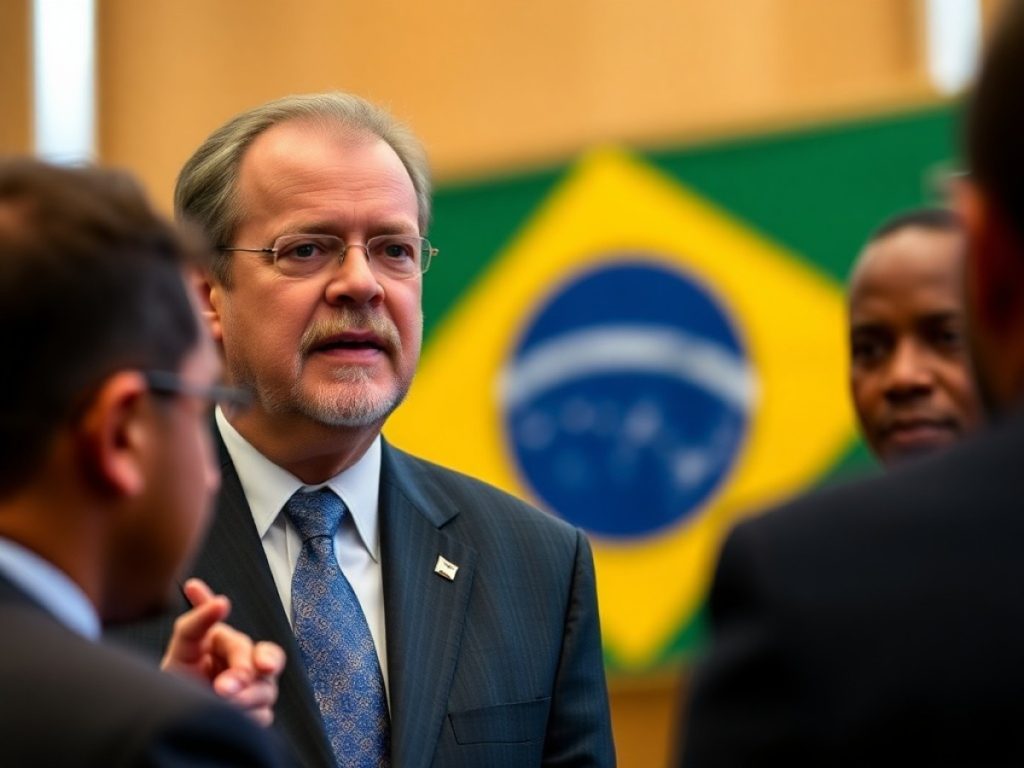
At the recent G20 Summit held in Johannesburg, South Africa, Brazilian President Luiz Inácio Lula da Silva experienced a moment of clear frustration that highlighted more than just a personal grievance—it underscored the challenges and intricacies of international communication. During a pivotal speech, President Lula was compelled to halt his address to point out the inadequate volume of the interpreter’s voice through his headphones. His words, "Only Janja may whisper in my ear!" not only injected a personal touch, referring to his wife, but also signaled his broader discomfort with the simultaneous translation devices being used.
The Incident at the G20 Summit
During one of the summit’s crucial sessions, President Lula interrupted his own speech to address an issue with the interpreter provided for the event. He publicly expressed his dissatisfaction, urging the interpreter to “Speak up, man,” as he found the translation audibly insufficient and not beneficial to the broader audience, which included journalists and international delegates.
Implications of Translation Challenges
Impact on Diplomatic Interactions
The incident brings to light the often underappreciated role of interpreters in international diplomacy. Effective communication is pivotal, and any lapse can lead to misunderstandings or perceived slights. President Lula’s reaction emphasizes the need for clear and audible translation to ensure that all participants, regardless of their language, are on the same page.
Broader Technological Concerns
Moreover, Lula’s critique of simultaneous translation devices during the event reflects a larger issue with the current state of technology in such high-stakes meetings. His preference for direct communication without technological mediation is a reminder of the potential limitations and frustrations that can arise from reliance on technology in diplomatic contexts.
Highlights from the G20 Summit
Despite the translation hiccup, the G20 Summit proceeded with discussions that had significant implications for global politics, especially concerning the Global South.
– **Focus on Multilateral Cooperation**: Hosted by President Cyril Ramaphosa, the summit concluded with a 122-point Leaders’ Declaration that emphasized renewed commitment to multilateral cooperation.
– **Priorities for Poorer Nations**: The declaration highlighted issues such as debt relief, financial aid for climate disaster recovery, and support for green energy transitions.
– **Climate Finance**: Echoing the financial commitments of COP30, the summit called for an increase in climate-related funding, aiming to boost support from “billions to trillions globally.”
– **Geopolitical Issues**: The summit also addressed ongoing conflicts and pledged to work towards peace in regions such as Sudan, the Democratic Republic of Congo, and Ukraine.
Controversies and Diplomatic Tensions
The summit was not without its controversies. The U.S. administration, led by President Donald Trump, boycotted the event, citing disagreements with South Africa’s focus on trade and climate issues. Additionally, in a break from tradition, South Africa released the final declaration at the beginning of the summit, a move that reportedly frustrated U.S. leaders and disrupted usual protocols.
Global Leadership and African Priorities
The Johannesburg summit was a landmark event for African nations. President Ramaphosa successfully spotlighted the continent’s priorities within the G20 agenda. Noteworthy commitments included:
– **Compact with Africa**: New financial pledges were made to support African economies.
– **Investments in Technology**: The United Arab Emirates committed $1 billion to enhance AI infrastructure across the continent.
– **Support from Global Partners**: Germany announced new investments through a pan-African insurer, reflecting a growing trend of international investment in Africa’s future.
As global dynamics continue to evolve, the G20 Summit in Johannesburg has set new precedents for how international gatherings can address the pressing issues of our time, despite the occasional challenge of cross-cultural communication as evidenced by President Lula’s experience.
Similar Posts
- Lula and Trump Advance at Malaysian Summit: Key Developments Unveiled
- Lula Anticipates Key Mercosur-EU Trade Deal Signing on Dec. 20
- Lula’s Ultimatum Shakes EU: Macron, Meloni Stall on Mercosur Trade Deal
- Lula Blasts Trump on Brazil Tariffs: Accuses Bolsonaro of Betrayal
- Lula and Macron Push Forward: New Talks on EU-Mercosur Free Trade Agreement

Gavin Turner is a crypto market analyst with over seven years studying price fluctuations and trading volumes in the United States. He provides detailed reports on sector trends and key indicators to help you anticipate market moves. His rigorous methodology and reliable forecasts guide you in refining your crypto trading strategies.