In a dramatic turn of events that underscores the high stakes of global politics and economics, two oil tankers recently made abrupt reversals in their paths as they neared the Strait of Hormuz. This strategic waterway, a chokepoint for much of the world’s oil transit, became the center of heightened tensions following the implementation of a U.S. naval blockade against Iranian ports. The blockade, which began on a tense Monday, has not only reshaped shipping routes but also sent shockwaves through global oil markets. Prices surged significantly, with Brent crude for June delivery climbing 4.4% to close at $99.36 per barrel, while U.S. benchmark WTI rose 2.6% to $99.08.
The Real-Time Reactions of the Tankers
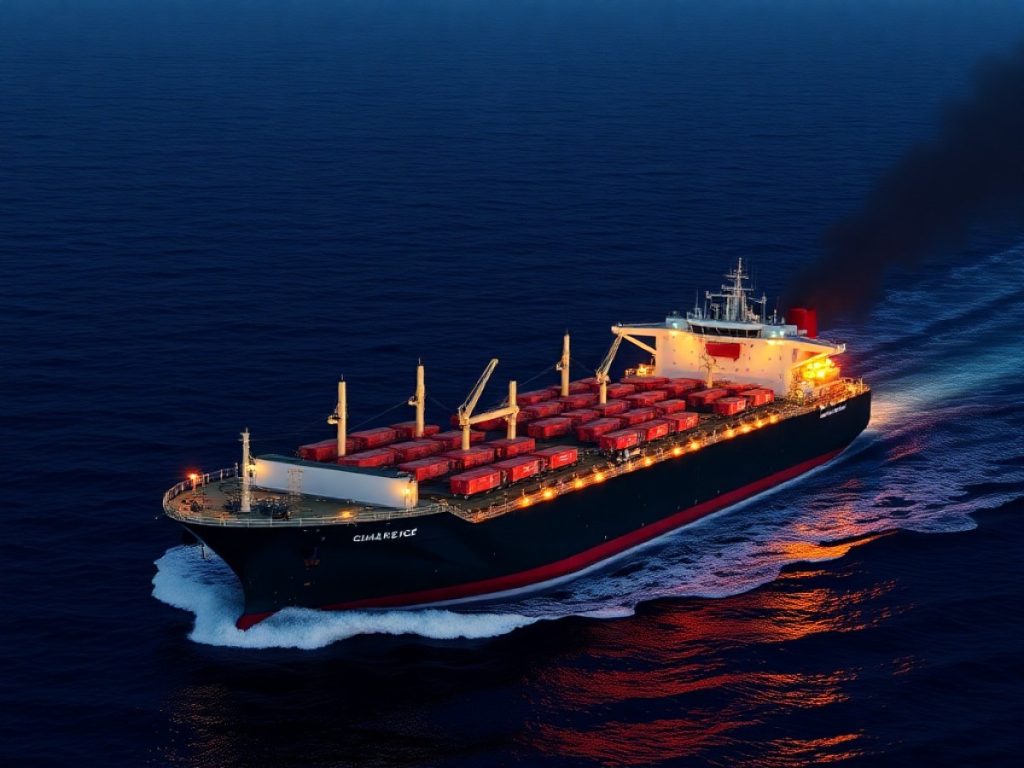
The Malawi-flagged tanker Rich Starry and the Botswana-flagged Ostria were the vessels at the heart of this unfolding drama. The Rich Starry, stretching 188 meters in length, was barely minutes away from the strait when it turned back. Initially headed from Sharjah, UAE, to China, the vessel’s swift change of course highlights the immediate impact of the U.S. blockade. Similarly, the Ostria, slightly shorter at 175 meters, reversed its course under analogous circumstances, underscoring the widespread caution among maritime operators.
The Blockade’s Broader Implications
International Responses and Threats
The U.S. Central Command (CENTCOM) clarified that the blockade would impartially target all vessels entering or departing Iranian ports, though it purportedly would not affect ships heading to other destinations. However, the situation escalated when former President Trump issued a stern warning on Truth Social, emphasizing that any vessel nearing the blockade would face immediate and severe consequences. In contrast, Iran’s Revolutionary Guard issued a counter-warning, stating that any military approach near the strait would be seen as a violation of the ceasefire and would elicit a severe response.
Impact on Global Shipping and Oil Supply
The repercussions of the blockade extend far beyond the immediate military and political implications. The International Maritime Organization’s secretary-general condemned both the U.S. blockade and Iran’s toll collection as illegal. Shipping analytics have plummeted, with only 11 ships passing through the strait in two days compared to the typical 130. Meanwhile, over 1,300 vessels remain stranded, significantly disrupting global supply chains.
Economic Ripples Through Global Markets
Oil Prices and U.S. Domestic Concerns
As oil prices surged, the U.S. saw a notable increase in gasoline prices, now averaging $4.12 per gallon—a stark rise of over $1.20 since the onset of the conflict. This price hike is expected to persist, potentially influencing the U.S. midterm elections. Trump himself acknowledged the likelihood of sustained high prices through November.
OPEC’s Adjusted Forecasts
In response to the escalated situation and its ripple effects across global economies, OPEC has revised its world oil demand forecast for the second quarter downward by 500,000 barrels per day. This adjustment reflects the anticipated impact of the ongoing Middle East conflict on global demand.
This unfolding scenario at the Strait of Hormuz not only exemplifies the delicate interplay between geopolitics and global economics but also serves as a reminder of the profound impact such events can have on everyday life, from the gas pump to the geopolitical chessboard.
Similar Posts
- Trump Orders Total Blockade of Strait of Hormuz: Escalating Gulf Crisis
- Iran Declares Hormuz Fully Open Until Ceasefire Ends: Trump Upholds Iranian Port Blockade
- Oil Surges Past $100/Barrel: Middle East Conflict, Hormuz Disruption Threaten Supply!
- US Navy Disables Panama-Flagged Ship Off Pakistan Coast: Tensions Rise in Maritime Incident
- Oil Skyrockets: Biggest Weekly Surge Since 2020 Amid Iran War, Hormuz Disruption

Gavin Turner is a crypto market analyst with over seven years studying price fluctuations and trading volumes in the United States. He provides detailed reports on sector trends and key indicators to help you anticipate market moves. His rigorous methodology and reliable forecasts guide you in refining your crypto trading strategies.