In a striking piece by The Guardian, the spotlight has been cast on the economic struggles faced by the Argentine populace under President Javier Milei’s administration. Despite significant strides in curbing the once rampant inflation — a noteworthy drop from an overwhelming 211% in 2023 to a more manageable 32% by September 2025 — the reality on the ground tells a tale of hardship and dichotomy. As Milei wields his “chainsaw” austerity measures, a vast majority of Argentines find themselves grappling with diminished purchasing power, a situation that has reshaped the socio-economic landscape of the nation.
Inside Argentina’s Economic Struggle
With the inflation rate having been tamed significantly, one might expect a corresponding rise in general prosperity. However, the situation in Argentina paints a different picture. Average incomes have nosedived, propelling a rise in household debt. The poverty rate provides a stark indicator: after peaking above 50%, it has only slightly improved to 31.6%.
Impact on Jobs and Industries
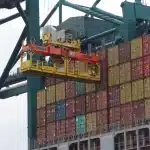
The policy of selling reserves to bolster the peso has maintained the currency’s strength, making imports cheaper. This has had several unintended consequences:
- Domestic industries such as textiles are plummeting into a “great depression” due to reduced domestic buying power and stiff competition from imported goods.
- Job losses are rampant, with estimates ranging between 205,000 and 250,000 formal positions eliminated, especially in construction and manufacturing sectors.
- Over 18,000 businesses have shut down, contributing to a surge in informal labor, which now accounts for 43.2% of the workforce.
Political Landscape and Public Sentiment
Amid these economic trials, Milei’s party, La Libertad Avanza (LLA), achieved a surprising victory in the recent midterm elections. This win came despite the economic downturn and ongoing corruption allegations. The electorate remains deeply divided:
- Supporters like Francisco Jiménez, a delivery rider, argue that Milei needs more time to implement his policies fully and that the alternatives would be worse.
- Detractors, such as Nicolás Pedrosa, a mobile phone shop owner, mourn the loss of the middle class, starkly stating, “you’re either poor or rich.”
Recent Developments and International Involvement
The elections were notably influenced by external economic support. Following the announcement of a US$40 billion bailout from the US, conditional on an LLA victory, Milei’s government also secured a previous US$20 billion loan from the International Monetary Fund (IMF). Now, LLA, along with its ally, the PRO party led by former President Mauricio Macri, forms the largest bloc in Congress. However, lacking a clear majority, Milei faces the challenge of forging new alliances to push through his proposed labor, tax, and pension reforms.
Looking Ahead
The complexities of Argentina’s current economic state are multifaceted. While the administration has made commendable progress in controlling inflation, the broader impacts of its austerity policies have left many Argentines in a precarious position. As Milei continues to navigate these turbulent waters, the nation watches keenly, hopeful yet cautious about the future that lies ahead.
Economy, Politics, Argentina.
Similar Posts
- Milei’s Budget Broadcast: “The Worst is Over” – Key Points Revealed!
- Over 60% of Argentines Reject Milei: Economic and Social Crisis Fuels Disapproval
- Argentina’s Dollar Skyrockets Post-Midterm Elections: Economic Shifts in BA Province
- Argentina’s Opposition Challenges Milei: Boosts Funding for Public Universities
- Milei Proposes US-Style Shutdown to Slash Argentina’s Spending: Will It Work?

Gavin Turner is a crypto market analyst with over seven years studying price fluctuations and trading volumes in the United States. He provides detailed reports on sector trends and key indicators to help you anticipate market moves. His rigorous methodology and reliable forecasts guide you in refining your crypto trading strategies.