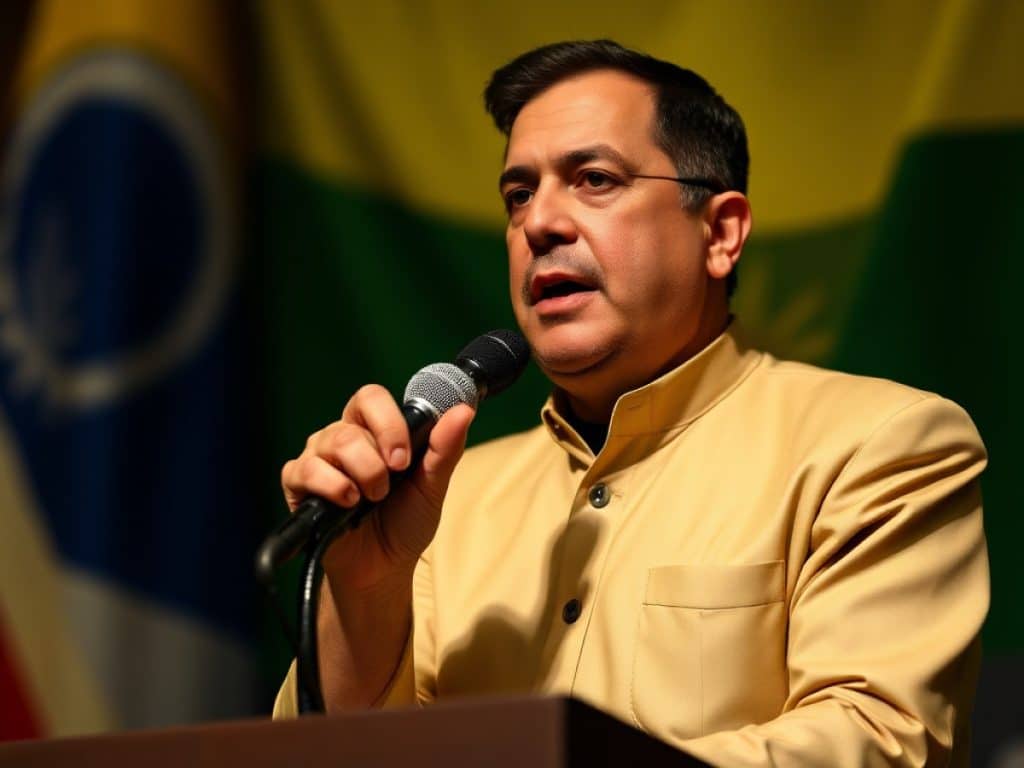
In a candid and stinging critique, Bolivian President Rodrigo Paz Pereira made headlines with his unflinching portrayal of the nation’s economy and government institutions. Moments after his inauguration, he condemned the legacy left by the previous administration, painting a grim picture of a “sewer of extraordinary proportions.” These remarks were made during a key event, the swearing-in of the new board of directors for the Central Bank of Bolivia, signalling a pivotal moment for the country’s economic future.
Paz’s words reflect more than just dissatisfaction; they underscore a deep-seated urgency to overhaul what he considers a deeply flawed system. His administration is poised to embark on a rigorous path of reforms aimed at transparency and meritocracy, in stark contrast to what he describes as the chaotic and directionless state he has inherited.
The Charge Against Corruption and Inefficiency
Amid the solemn atmosphere of the Central Bank’s new leadership ceremony, President Paz didn’t mince words about the state of affairs. He explicitly criticized the Central Bank of Bolivia for being reduced to a “petty cash fund” of the prior government, demanding an end to its politicization. He emphasized the necessity for the bank to operate with renewed integrity, serving all Bolivians rather than a political elite.
Immediate Calls for Action
– Enhance fiscal discipline
– Ensure transparency and accountability
– Prioritize the nation’s collective economic interests over individual or party gains
A Path to Reform and Recovery
President Paz outlined his vision for a reformed Bolivia, one where government positions are filled based on skill and technical expertise rather than political loyalty. This approach, he believes, is crucial to steer the country back to a state of normalcy and prosperity.
Findings Supporting the Need for Change
The initial reports from the new administration paint a concerning picture:
– The Education Ministry uncovered that 45 officials had been appointed through nepotism, with their salaries draining significant public funds.
– The Ministry of Productive Development and Plural Economy reported underperformance and mismanagement at the Food Production Support Company, which executed only 40% of its budget.
Commitment to Meritocracy and National Welfare
In his forceful speech, Paz called for a return to meritocracy, urging that key governmental positions should be honored with decisions free from narrow political interests. His administration, he vowed, is set to “transform” the state to ensure it truly serves the homeland, rather than the interests of a few.
Anticipated Outcomes
– A rigorous evaluation and restructuring of state institutions
– Implementation of merit-based hiring practices across government bodies
– Enhanced scrutiny and management of public funds to ensure they benefit the wider population
Through these sweeping reforms, President Paz aims not just to clean up the government but to restore faith in Bolivia’s institutions. As the country watches these developments unfold, the hope is that this strong stance will be the first step towards significant, positive change for Bolivia’s political landscape and economic stability.
Similar Posts
- Bolivian President Cuts Fuel Subsidies, Hikes Minimum Wage: Economic Shake-Up Explained!
- CFK Sounds Alarm on Potential Peso Crash Post-Oct. 26 Elections: Economic Turmoil Ahead?
- Milei’s U-Turn: From Shutting Down to Reforming the Central Bank!
- Brazil’s Central Bank Slashes Selic Rate to 14.50%: Key Move Amidst Economic Shifts
- Bolivia Strikes Gold: Nation Completes Its First Ever Gold Futures Sale!

Gavin Turner is a crypto market analyst with over seven years studying price fluctuations and trading volumes in the United States. He provides detailed reports on sector trends and key indicators to help you anticipate market moves. His rigorous methodology and reliable forecasts guide you in refining your crypto trading strategies.