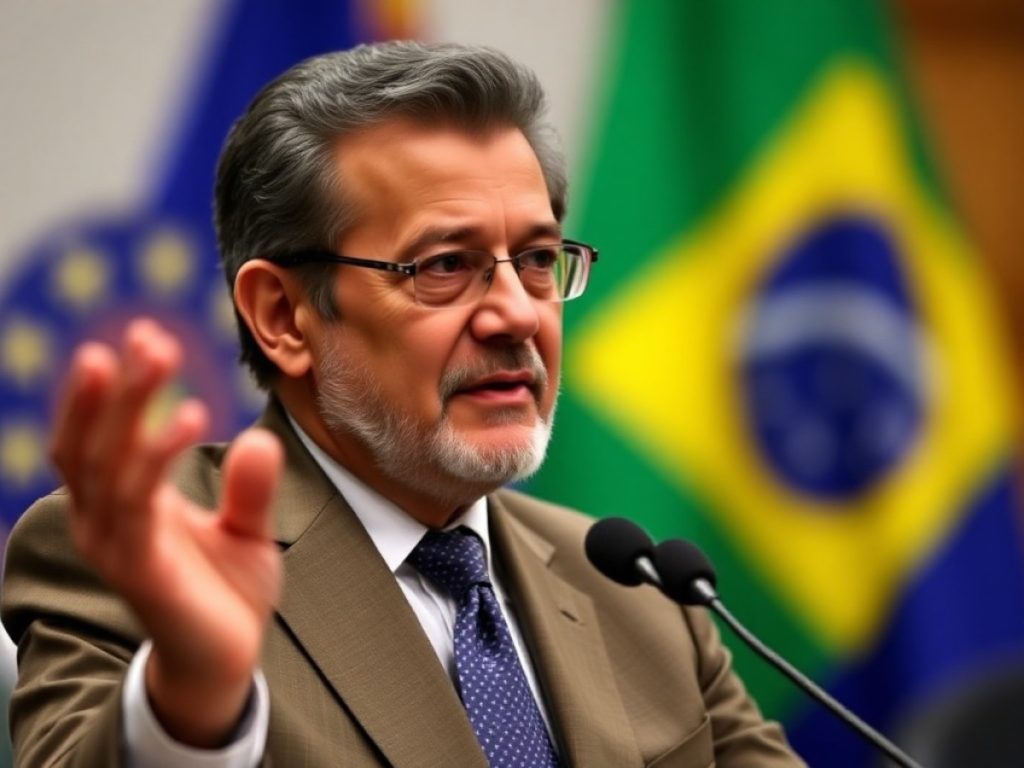
In a recent statement at the G20 Summit in South Africa, Brazilian President Luiz Inácio Lula da Silva announced an anticipated milestone for international trade. On December 20th, a significant trade agreement between the Southern Common Market (Mercosur) and the European Union (EU) is set to be signed. This agreement, in the works for nearly a quarter-century, stands as a testament to the complex dance of international politics and economics. The stakes are exceptionally high: the deal encompasses markets that together generate a GDP of a staggering US$22 trillion and affect nearly 722 million people. As the current president of Mercosur, Lula has prioritized this agreement, emphasizing its potential to become one of the largest trade accords globally.
The Agreement’s Broad Strokes
Both the EU and Mercosur—which includes Argentina, Brazil, Paraguay, and Uruguay—finished negotiations last December. The deal will be penned in two parts: a provisional economic-commercial text and a complete, comprehensive agreement. Despite the final documents’ readiness, the ratification process poses a significant hurdle. The European Parliament must approve the agreement, requiring a majority plus one of its members’ votes. Additionally, at least 15 of the 27 EU countries need to ratify the text, representing at least 65% of the EU’s total population—a process that could span several years.
Controversies and Challenges
Resistance from France
France, a major agricultural player within the EU, has voiced strong opposition, labelling the agreement as “unacceptable.” French officials argue that the deal fails to address environmental concerns linked to agricultural and industrial production. The French stance highlights underlying protectionist tendencies, particularly regarding its beef industry, which feels threatened by potential competition from South American meat imports.
Concerns Over Standards
European farmers have also expressed worries that the agreement could lead to an influx of cheaper South American agricultural products that do not meet the EU’s stringent food safety and ecological standards. However, the European Commission has countered these claims, ensuring compliance with EU standards.
Economic and Strategic Advantages
The agreement is seen by many, especially in nations like Germany and Spain, as a strategic lever to mitigate trade losses from tariffs previously imposed by the U.S. and to reduce dependence on China for essential minerals like lithium, crucial for the EU’s green transition. Moreover, it promises enhanced access and reduced tariffs for European exporters of luxury goods such as cheese, ham, and wine into the Mercosur region, potentially opening new markets for these high-value products.
Final Steps and Future Aspirations
With the provisional agreement set to be signed in Brasília during the Mercosur Leaders’ Summit, there remains a flurry of diplomatic activity to ensure all parties are aligned. President Lula has highlighted the ongoing need for dialogue and preparation beyond the signing date to fully actualize the benefits of this expansive trade agreement. The journey towards a more integrated global economy is complex and fraught with challenges, but the potential rewards for both Mercosur and the EU are too substantial to ignore. As December 20th approaches, the world watches and waits to see if this landmark agreement will indeed mark a new chapter in international trade relations.
Similar Posts
- Lula’s Ultimatum Shakes EU: Macron, Meloni Stall on Mercosur Trade Deal
- French Minister Fights EU-Mercosur Trade Deal: Protecting Local Farmers’ Interests!
- Argentina Leads Mercosur: Lower House Approves Pivotal EU Trade Deal
- EU-Mercosur Trade Deal Activates Amid Legal Challenges: What’s Next for Global Trade?
- Brazil Ratifies EU-Mercosur Deal: A Milestone for Legislative Process Completion

Gavin Turner is a crypto market analyst with over seven years studying price fluctuations and trading volumes in the United States. He provides detailed reports on sector trends and key indicators to help you anticipate market moves. His rigorous methodology and reliable forecasts guide you in refining your crypto trading strategies.